Turning Back the Clock Without Surgery
Non-surgical skin tightening uses targeted energy to heat deeper layers of the skin, stimulating collagen and elastin production to gradually restore firmness and a more youthful appearance. The most common technologies include radiofrequency (RF) energy, focused ultrasound, and combinations of intense pulsed light (IPL) with RF. These methods treat mild to moderate skin laxity on the face, neck, and body without the incisions, scars, or extended downtime of surgery. As noted by the American Board of Cosmetic Surgery, key benefits include a noticeable lifting effect, minimal recovery, and results that can last up to a year with proper skincare.
At Tigani Family Dentistry in Wilmington, DE, patients can access advanced aesthetic services like Xerf RF skin tightening alongside comprehensive dental care and other cosmetic treatments such as Botox. This family-owned practice offers personalized treatment plans in a comfortable setting, accepting most PPO insurances and featuring an in-house lab for convenience.
Restoring Firmness From Within
 Skin tightening is a non-surgical cosmetic procedure that uses targeted energy — such as radiofrequency or ultrasound — to heat the deeper layers of the skin. This heat stimulates the production of collagen and elastin, the two proteins responsible for keeping skin firm, plump, and flexible.
Starting in your 20s, natural collagen and elastin production slows down, and existing fibers degrade due to aging, sun exposure, and stress. Over time, this leads to sagging, fine lines, and loss of elasticity. Non-surgical skin tightening counteracts this process by triggering a wound-healing response that prompts fibroblasts to produce new, organized collagen and elastin.
Results do not appear overnight. The skin becomes stronger from within as collagen and elastin rebuild over the following weeks and months. Patients typically notice gradual improvement in skin tone, texture, and elasticity, with full effects appearing 2 to 6 months after treatment.
These treatments are commonly applied to the face, neck, arms, and body. At Tigani Family Dentistry in Wilmington, DE, we offer advanced aesthetic options such as Xerf skin tightening, which uses safe, targeted energy to gently restore firmness with little to no downtime. Most people achieve the best outcomes through a series of sessions, and our team helps set realistic expectations based on your specific goals.
Radiofrequency: Deep Heat for Natural Lift
 Radiofrequency (RF) skin tightening uses low-frequency electromagnetic waves to generate controlled heat deep in the dermis without harming the skin's surface. This thermal energy triggers two distinct responses: immediate collagen contraction at roughly 65°C, which produces subtle tightening during the session, and a longer-term remodeling phase where fibroblasts generate new collagen and elastin over several weeks.
The treatment is noninvasive, requires no downtime, and delivers gradual, natural-looking results similar to a surgical facelift without the associated risks or recovery. Most patients notice improvements within two to six months as collagen rebuilding progresses.
At Tigani Family Dentistry, the XERF system offers advanced RF technology for patients seeking tighter, more youthful skin. Your provider will create a personalized treatment plan, typically involving multiple sessions spaced two weeks apart, and discuss your expected timeline during a consultation.
Ultrasound Energy for Deeper Lifting
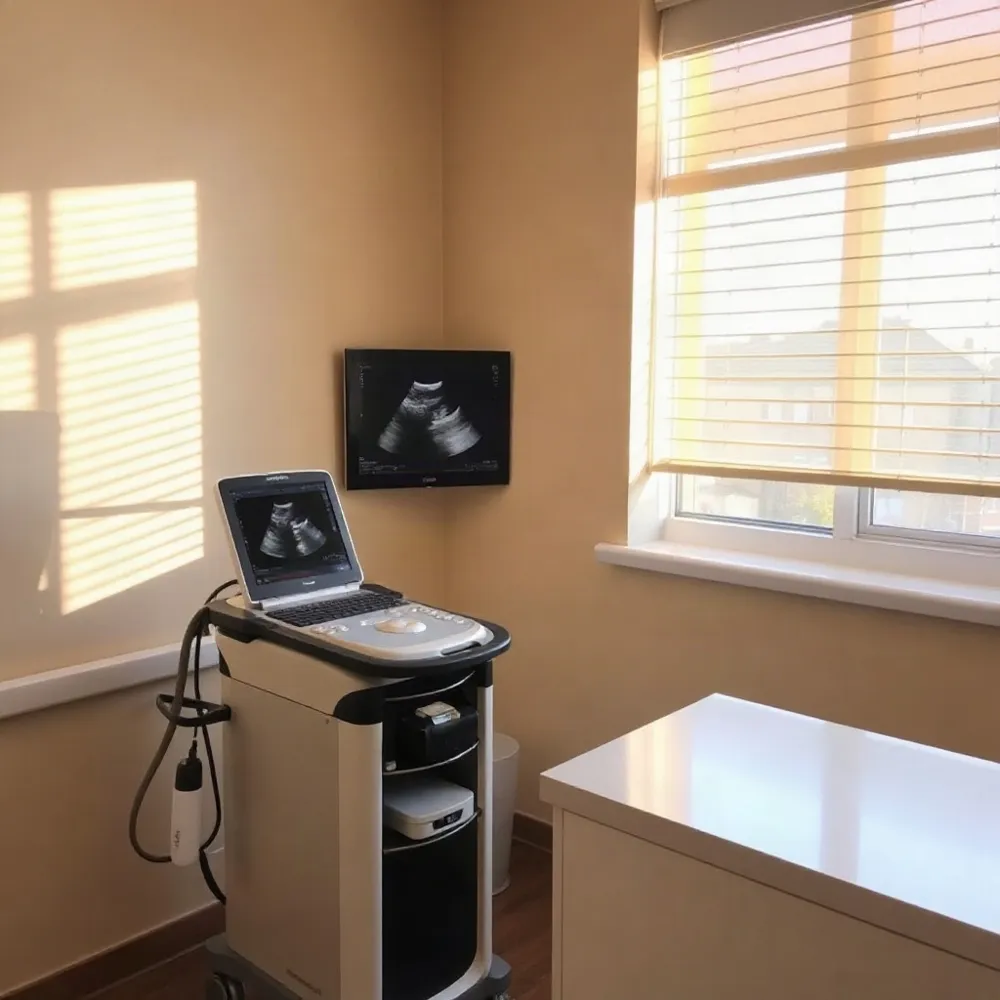 While radiofrequency heats the dermis broadly, ultrasound skin tightening uses micro-focused ultrasound to deliver heat much deeper — up to 5 millimeters below the surface. This energy targets the SMAS layer, the same fibrous tissue addressed in a surgical facelift, making ultrasound uniquely suited for a non-surgical lift.
The most recognized brand, Ultherapy, is FDA cleared for treating the brow, chin, neck, and chest. Because it bypasses the surface skin, ultrasound treatments involve minimal discomfort and no downtime, though patients may experience temporary redness or mild swelling.
Results appear gradually, typically noticeable within 2 to 3 months as new collagen forms, and can last up to a year with good skincare. This makes ultrasound a strong option for adults with mild to moderate skin laxity who want a noticeable lifting effect without surgery.
Tigani Family Dentistry offers comprehensive aesthetic services including the XeRF skin tightening system, which uses radiofrequency energy to gently heat the skin's layers and promote natural collagen remodeling. A consultation can help determine whether ultrasound, RF, or a combination approach is best for your goals.
Comparing Technologies: Which One Suits You?
Non-surgical skin tightening is not a one-device market. The three main technologies — radiofrequency (RF), ultrasound, and combination intense pulsed light (IPL) with RF — each target different depths and skin types. Understanding their differences helps you match the treatment to your specific concerns.
Radiofrequency (RF) skin tightening uses electromagnetic waves to heat the dermis broadly, making it a versatile option for mild to moderate laxity on the face, neck, and body. RF is safe for all skin types and tones because it bypasses the melanin in the epidermis, reducing the risk of pigmentation changes. Most patients need 2 to 6 sessions spaced weeks apart.
Ultrasound skin tightening sends focused energy up to 5 mm deep, reaching the foundational SMAS layer that surgeons lift during a facelift. This depth makes it a strong choice for lifting the brow, chin, neck, and chest. A single session may provide noticeable results, though some patients choose a second treatment to optimize outcomes. Results unfold over 2 to 3 months.
Combination IPL/RF treatments layer intense pulsed light over radiofrequency energy to treat larger areas and multiple concerns — such as laxity plus pigmentation or texture — in one session. However, IPL is not recommended for darker or tanned skin, as the broad-spectrum light targets melanin and can cause complications. A series of sessions is typically needed, and results appear gradually.
The ideal candidate for any of these technologies is someone in their 30s to 60s with mild to moderate skin laxity who wants a gradual, natural-looking improvement without surgery. For severe sagging or pronounced jowling, surgical options remain the stronger choice. At Tigani Family Dentistry in Wilmington, DE, RF-based skin tightening is available as part of the clinic's aesthetic services, offering a comfortable, in-office option for local patients.
What to Expect During a Session
A typical non-surgical skin tightening session takes 30 to 60 minutes, whether treating the face or a body area like the abdomen or thighs. The provider moves a handheld device over the skin in smooth patterns, delivering controlled energy to the deeper layers.
Most people describe the sensation as a deep warmth or tingling, similar to a hot stone massage. The treatment is generally comfortable — numbing cream is rarely needed, and patients remain awake throughout. Some devices include built-in cooling to keep the skin's surface protected while heat builds in the dermis.
There is no downtime. After the session, the treated area may appear slightly flushed for a few hours, but makeup can be applied immediately, and patients return to work, errands, or exercise the same day.
Subtle tightening is often noticeable within a few weeks, but the full outcome of collagen remodeling unfolds over 2 to 6 months. Results can last up to a year or longer with proper skincare, and maintenance sessions every 6 to 12 months help sustain firmness over time.
Safety Profile and Potential Side Effects
Non-surgical skin tightening is considered safe when performed by a qualified provider, but like any medical procedure it carries some risks. Most side effects are mild and temporary: patients may experience redness, swelling, or a warm tingling sensation in the treated area, all of which typically resolve within 24 hours.
A 2024 study in the Journal of Cosmetic Dermatology noted that RF treatments have a high safety profile but emphasized the importance of operator technique to avoid burns and pinpoint bleeding. More serious complications — such as burns, scarring, or nerve damage — are rare and almost always tied to improper technique or unqualified practitioners.
FDA Clearance vs. FDA Approval
The U.S. Food and Drug Administration distinguishes between "FDA cleared" (for moderate-risk devices that are substantially equivalent to an already-marketed device) and "FDA approved" (for high-risk products that have undergone pre-market review). Most RF and ultrasound devices carry FDA clearance, meaning they have met safety and effectiveness standards for their intended use. Choosing a provider who uses FDA-cleared equipment and follows the manufacturer's protocols is a straightforward way to reduce risk.
Skin Type Considerations
RF energy is safe for all skin tones, including darker complexions, because it targets the dermis with electromagnetic waves rather than light, so the risk of hyperpigmentation or burns is very low. The Cleveland Clinic notes that RF carries little risk of pigmentation changes, making it a good option for patients with darker skin who might be poor candidates for laser or IPL treatments. Still, an experienced provider will adjust energy levels based on skin type and thickness to ensure comfort and safety.
At Tigani Family Dentistry, treatments are performed by trained professionals using FDA-cleared devices. The practice offers Xerf skin tightening as part of its comprehensive aesthetic services, with a focus on patient education and individualized treatment plans. Prospective patients receive a full consultation before any procedure to discuss their medical history and any potential concerns.
Investment in Your Skin: Cost Considerations
Non-surgical skin tightening represents a significant financial commitment, though it remains far more affordable than surgical alternatives like a facelift or tummy tuck. Per-session costs typically range from $200 for basic radiofrequency treatments to over $4,000 for advanced devices such as Profound RF for the face and neck.
Pricing varies widely based on three factors: the technology used (radiofrequency, ultrasound, or combination devices), the size of the treatment area, and the number of sessions required. Most patients need a series of 3 to 6 treatments for optimal results, which multiplies the upfront cost. For example, a Profound RF session for the face and neck may start at $1,800, while treating larger body areas like the abdomen can cost $2,000 to $3,500 per session.
Because these procedures are elective cosmetic treatments, health insurance does not cover them. However, the long-term value can be substantial. Results from most non-surgical skin tightening technologies last 1 to 3 years with proper skincare and periodic maintenance sessions, making the per-year cost comparable to or lower than that of ongoing injectable treatments like Botox.
At Tigani Family Dentistry in Wilmington, DE, the practice offers aesthetic services including Xerf skin tightening as part of its comprehensive care. A consultation can provide a personalized cost estimate based on your specific goals and treatment area.
Choosing Your Provider Wisely
The safety and effectiveness of non-surgical skin tightening depend heavily on who performs the procedure. Completely non-invasive treatments, such as radiofrequency or ultrasound, can be safely performed by a licensed aesthetician or registered nurse under physician supervision. More invasive subdermal procedures, which require a small incision, should only be performed by a qualified cosmetic surgeon.
When selecting a provider, look for board-certified cosmetic surgeons or experienced dermatologists with specific training in the device being used. A thorough consultation is important to assess whether you are a suitable candidate for the treatment and to set realistic expectations about the results and number of sessions needed.
At Tigani Family Dentistry in Wilmington, DE, patients can access aesthetic services in a familiar, family-friendly environment. The practice combines comprehensive dental care with cosmetic treatments, allowing patients to address multiple needs in one trusted location.
Complementing Skin Tightening with Other Treatments
Non-surgical skin tightening addresses laxity, but a complete rejuvenation plan often pairs it with other in-office procedures. Botox and dermal fillers can be performed during the same appointment as an RF session, targeting wrinkles and volume loss simultaneously. Microneedling, especially when combined with radiofrequency energy, amplifies collagen stimulation in deeper skin layers.
Topical retinoids (such as tretinoin), vitamin C, and daily sunscreen help maintain and extend the results of any energy-based treatment. A consistent skincare routine and sun protection are essential to protect the new collagen and prevent further photoaging.
Tigani Family Dentistry integrates aesthetic services like Xerf skin tightening, Botox, and dermal fillers with its dental care, allowing patients to address facial rejuvenation and oral health in one visit. This whole-body approach saves time and ensures that cosmetic goals are aligned with overall wellness.
A Personalized Path to Youthful Skin
Non-surgical skin tightening offers a real alternative for people with mild to moderate skin laxity who want gradual, natural-looking results without the downtime of surgery. Whether you choose radiofrequency, ultrasound, or a combination approach, the common thread is controlled energy that stimulates your body's own collagen and elastin production.
The effectiveness of any treatment depends heavily on the provider's skill and your individual anatomy. A thorough consultation with an experienced professional is the first step toward a plan tailored to your skin type, treatment area, and aesthetic goals. At Tigani Family Dentistry in Wilmington, DE, you can explore advanced aesthetic services alongside comprehensive dental care in one comfortable, family-owned practice.
If you are ready to discuss your concerns, book a consultation to review your options and create a personalized path toward firmer, more youthful skin.