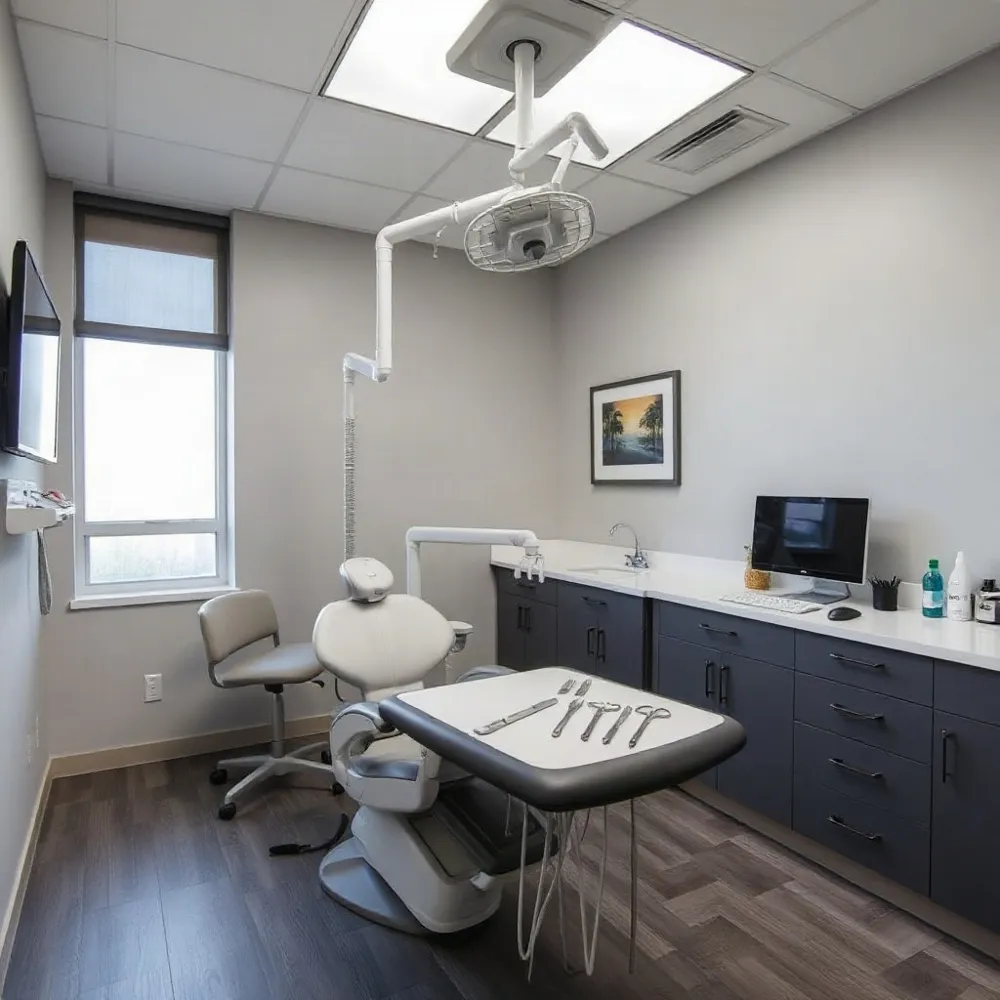
Start With Your Family’s Needs
Choosing a family dentist involves more than finding an office nearby. Consider the care your household may need, how comfortable everyone feels, whether the team listens and explains treatment, what costs to expect, and whether appointments fit your routine. The American Dental Association recommends looking for a trusted dental home for routine care, procedures, and emergencies (how to choose a dentist).
A practice that can support changing needs over time may make it easier to keep care in one familiar setting. Tigani Family Dentistry is a family-owned Wilmington practice offering preventive, restorative, cosmetic, orthodontic, and sleep-related services. Families can ask which services fit their needs and whether the practice treats each age group in a way that feels comfortable.
Before booking, make a short list of questions about services, scheduling, emergency arrangements, communication, and fees. Tigani accepts most PPO insurance plans, but coverage and out-of-pocket costs depend on the specific plan, so confirm benefits with both the insurer and practice. The right fit will reflect your family’s individual needs, not just its location.
Look for Care That Grows With Your Family
 A family dentist should be qualified to care for patients at different ages and comfortable adapting visits to each person. Ask about the dentist’s license, experience treating children, and approach to patients who feel anxious or have particular health or comfort concerns. A welcoming, age-aware visit matters, but a child with complex needs may benefit from a pediatric specialist.
The American Dental Association recommends looking for a dentist who can serve as a trusted dental home for routine care and urgent needs. Its guide to choosing a dentist also suggests meeting the dentist and team, asking questions, and noticing whether the office feels comfortable.
Ask what preventive care includes, such as exams, cleanings, and guidance on daily oral health, and how the team identifies concerns that may need follow-up. Then ask which additional services are provided in-house and when a referral is appropriate. A broad service range can support changing needs, though it does not replace checking the dentist’s experience with the treatment being considered.
Tigani Family Dentistry is a family-owned practice in Wilmington, Delaware, described as offering preventive, restorative, cosmetic, orthodontic, and sleep-related care, along with aesthetic services such as Botox and Xerf skin tightening. Ask which options apply to your family’s needs and who would provide them.
The practice is also described as having an in-house lab and emphasizing personalized, comfortable, family-focused care. Those features may be useful to discuss when asking how treatment is planned and how patients are supported, but they do not by themselves establish clinical suitability. Also check appointment availability, emergency arrangements, insurance participation, and expected costs before choosing a practice.
Ask About Access, Services, and Costs
 Before settling on a practice, ask whether it is accepting new patients, how soon appointments are available, and how booking works. Find out whether the office can coordinate visits for several family members, and whether its location, hours, and accessibility fit your routine.
Ask how the practice handles urgent dental problems, including what to do if an emergency happens outside regular hours. The American Dental Association’s dentist-selection guidance recommends calling or visiting a prospective office to meet the team, ask questions, and see whether the setting feels comfortable and welcoming.
Which services are provided in-house? Ask whether the practice offers the preventive, restorative, cosmetic, orthodontic, or other care your household may need. Tigani Family Dentistry offers a range of these services and has an in-house lab, but each family should confirm that the practice’s services match its needs.
What preventive care does the dentist recommend, and how will the team explain treatment choices? Ask for a clear explanation of the proposed care and any alternatives, including why one option may suit a family member better than another. If dental visits cause anxiety, ask what the team does to help patients feel at ease.
Confirm insurance details with both the practice and your insurer. Tigani Family Dentistry accepts most PPO plans, but participation and benefits depend on the specific plan, so verify coverage and likely out-of-pocket costs before treatment.
Request a cost estimate in advance and ask what payment options are available for expenses insurance may not cover. A brief call or visit can help you raise these questions, meet the staff, and decide whether the practice’s access, services, and approach feel right for your family.
Check Credentials and Understand the Degrees
 A dentist’s degree is a useful starting point, but it does not tell you everything about their experience or whether their background fits your family’s needs. Check qualifications through official sources, then ask about the care you are considering.
How can you check a dentist’s qualifications and background?
Begin with the state dental board’s official website. Confirm that the dentist has a current, active license and check for public disciplinary information, if available. In Delaware, the Board of Dentistry and Dental Hygiene is listed through the state’s Division of Professional Regulation. The American Dental Association’s state dental board directory can also help you locate the relevant board.
Ask the dentist or practice about dental education, specialty training, and experience with the treatment you are considering. If a claimed specialty credential matters to your decision, verify it with the appropriate certifying organization. The ADA’s Find-a-Dentist directory and a practice website can provide additional background, but a directory listing is not a substitute for checking a license with the state board.
At Tigani Family Dentistry, the range of care includes preventive, restorative, orthodontic, sleep, cosmetic, and aesthetic services. Ask which provider would handle a particular treatment and what training or experience applies to it. If information is unclear, contact the state board for guidance.
Are dentists MD, DDS, or DMD?
General dentists in the United States typically hold either a Doctor of Dental Surgery (DDS) or Doctor of Dental Medicine (DMD) degree. The titles are equivalent: dental schools choose which designation to award, and both degrees meet the same licensing requirements for general dental practice. The difference is in the name, not a higher or lower level of qualification.
MD stands for Doctor of Medicine and is not the standard dental degree. A dentist’s scope of practice and qualifications for specific procedures depend on their education, license, experience, and any additional credentials. Tigani Family Dentistry’s in-house lab is a practice feature, but it does not replace checking the treating dentist’s qualifications for the service you need.
Notice How the Practice Handles Your Questions
A dentist’s response to questions can tell you whether you will be treated as a partner in your care. The American Dental Association recommends meeting a prospective dentist and noticing whether they listen, address concerns, and explain preventive care clearly in its guide to choosing a dentist.
What are common red flags when choosing a dentist?
Be cautious if you feel pressured to accept treatment before you understand the diagnosis, or if the dentist gives little explanation of alternatives, fees, or expected benefits. A recommendation for extensive work should come with clear clinical reasons and a written treatment plan you can review before deciding.
Reluctance to answer questions or share your records is another reason to pause. Rushed visits, little attention to your medical and dental history, or difficulty maintaining continuity with a care team can make it harder for the dentist to tailor recommendations to your circumstances. Guarantees of specific results also deserve scrutiny, since treatment outcomes can vary.
Tigani Family Dentistry emphasizes personalized, comfortable care, so prospective patients can ask how the team considers their history and preferences when discussing treatment. Its broad range of preventive, restorative, and orthodontic services may be relevant when asking what can be handled within the practice, but every recommendation should still be explained on its own clinical merits.
Look for constructive signs: the dentist listens without rushing, explains recommendations in plain language, respects concerns, and gives you time to weigh options. A good conversation should leave you better informed, not obliged to agree on the spot.
Reviews can offer clues about communication and patient experience, especially when several people mention similar patterns, such as feeling heard or receiving clear explanations. Treat individual comments and star ratings as one source of perspective, not proof. Tigani Family Dentistry’s family-focused approach is a useful point to discuss directly with the team, alongside any questions about your own care.
Choose a Practice You Can Return To
The right family dentist is an informed match: the practice can address your household’s needs, its qualifications and services fit your expectations, and its location, costs, and patient experience work for your daily life. Compare options, verify credentials, and confirm directly with the office and your insurer whether your plan is accepted and what costs may apply.
When possible, arrange a consultation before committing. The American Dental Association’s dentist-selection guidance recommends calling or visiting a prospective office to meet the team, ask questions, and see whether the setting feels comfortable. Notice whether the dentist listens, explains preventive care, and makes room for your concerns.
A trusted dental home is a practice you can return to for routine care and changing needs. Tigani Family Dentistry offers preventive, restorative, and orthodontic services in its family-owned Wilmington practice, alongside personalized, comfortable care. A team that communicates clearly and supports prevention can help make a lasting relationship easier to build.