A Different Kind of Dental Visit
A dental visit is about more than an examination or procedure. Whether patients feel listened to, respected, comfortable, and involved can shape how they experience care. A nationwide survey of U.S. dental patients found that respondents valued being treated as a person, having a gentle dental team, and receiving care that supports oral health (survey on patient experience and expectations).
Personalized dental care starts with the individual, not just the teeth. It considers a patient’s needs, preferences, and circumstances alongside clinical findings, and makes room for questions and participation in decisions. Research on patient-centred dentistry describes this approach as respecting people’s values and involving them in care, while noting that patient involvement can vary in practice (study of patient-centred dental care).
That broader view helps explain why the details of a visit matter: clear communication and attention to comfort can make care feel more personal, while treatment remains grounded in oral-health needs. Tigani Family Dentistry is a family-owned practice in Wilmington, Delaware, offering comprehensive dental services and emphasizing personalized, comfortable, family-focused care.
The sections that follow look at how listening, shared decisions, and individualized comfort can shape the dental experience, including what patients can do when care no longer feels like a good fit.
What Personalized Care Means
 Personalized dental care starts with understanding the person, not just the tooth or procedure. A dentist may consider a patient’s medical and dental history, current concerns, preferences, daily habits, goals, and practical circumstances when discussing care. This reflects the patient-centred approach described in a qualitative study of dentists, which emphasizes responding to individual needs and values while involving patients in decisions. The study explored the views of a small group of UK dentists, so its findings offer a perspective rather than a measure of every practice.
An examination and relevant health history help the dentist understand what may be affecting oral health and which options might fit. Medical conditions, medications, habits, and prior dental experiences can all be relevant. So can factors beyond the mouth, such as a patient’s schedule, comfort concerns, or treatment priorities. At Tigani Family Dentistry, a family-owned Wilmington practice, comprehensive services span preventive, restorative, cosmetic, orthodontic, and sleep care, providing a range of areas to discuss as a patient’s needs arise.
The details can change the plan. Someone more prone to cavities may benefit from preventive guidance suited to that risk, while a patient with gum concerns may need a different approach to cleaning and home care. A person who feels anxious or has sensitive teeth may need clearer explanations or adjustments to how a visit is paced. These are possibilities to discuss, not automatic prescriptions; a dentist should weigh individual findings and preferences.
Personalization is also ongoing. A plan may need review when a patient’s health, circumstances, or priorities change, and recommendations can be discussed again as care progresses. The aim is not to promise a particular result, but to keep decisions relevant and understandable. Tigani Family Dentistry describes its approach as personalized, comfortable, and family-focused, with care shaped around the needs of the people it serves.
Why the Experience Matters
A dental visit can be clinically sound and still leave a patient feeling rushed or unheard. Patient experience includes how clearly the team explains care, whether patients feel respected, and how well the visit fits their needs and time.
A 2025 nationwide survey of 400 U.S. adults who had visited a dentist in the previous year found that 84% were satisfied with their dental office, 14% were somewhat satisfied, and 2% were not satisfied. Respondents most often linked satisfaction to good customer service and quality dental care. The figures reflect self-reported opinions, not clinical outcomes, and the survey’s results may not represent every patient group. The study was funded by The Procter & Gamble Company, and some authors reported employment or consulting relationships with the company. The survey on patient experience in oral health care provides useful context, with those limitations in mind.
Respondents also placed importance on a dental office that respects their time, a gentle team, being treated as a person rather than just a patient, and care that improves oral health. The researchers grouped these preferences into three practical themes: understand me, value my time, and improve my life. They describe what surveyed patients value, not proof that any particular practice delivers those experiences.
For patients, respectful attention can mean being invited to explain concerns, hearing treatment options in clear language, and having recommendations connected to personal goals. A qualitative study of dentists’ views on patient-centred care highlights listening, humane treatment, and patient involvement, while noting that genuine choice depends on how options are presented and discussed. The study of patient-centred dental care supports the value of communication, but does not assess any specific practice.
At Tigani Family Dentistry, the stated emphasis on personalized, comfortable, family-focused treatment gives patients a basis for discussing what matters to them. When recommendations feel relevant and patients understand their choices, they may be better positioned to take part in decisions and stay engaged with their care.
Communication as a Shared Practice
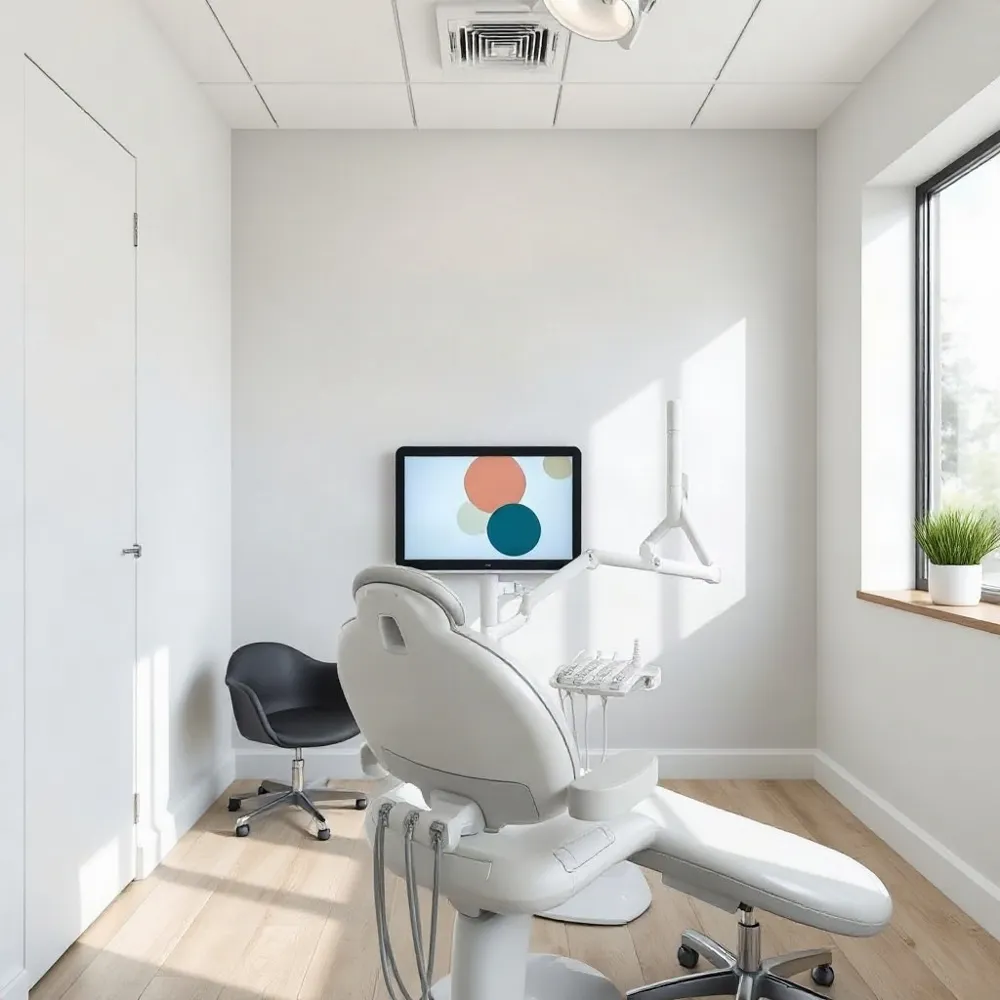 Effective communication is a two-way conversation, not a treatment plan delivered for a patient to accept. Patients can help their dental team understand what matters by describing symptoms, relevant dental and medical history, goals, preferences, anxiety, or discomfort. Practical concerns, including scheduling and cost, belong in the conversation too.
Patients do not need to wait until treatment begins to ask questions. If a diagnosis, procedure, risk, benefit, cost, alternative, or next step is unclear, ask for an explanation before agreeing to care. A useful check is to summarize the plan in your own words and invite the team to correct anything you have misunderstood.
The dental team’s role is to listen respectfully, explain findings and options in accessible language, and make space for the patient’s perspective. That means discussing relevant benefits and risks and inviting the patient into decisions, rather than presenting only a preselected plan. During care, the patient and team can also agree on a signal to pause, making it easier to speak up if discomfort arises.
A qualitative study interviewed 20 dentists who also taught at one UK dental school. Participants described patient-centred care in terms that included individualized care, humane treatment, communication, and patient involvement. The study also found variation in how much choice patients actually received, so clear explanations alone do not guarantee that patients have a meaningful role in decisions. Its findings describe those interviewees, not all dentists, and the study did not test whether personalized care improves patient outcomes. The study on patient-centred care in dentistry offers context for why listening and shared decisions matter.
At Tigani Family Dentistry, a family-owned Wilmington practice offering comprehensive dental services, a patient’s questions and preferences can help shape conversations about care. Patients can also raise practical concerns early; the practice accepts most PPO insurance plans, though coverage depends on the individual plan.
Comfort Without One Size Fits All
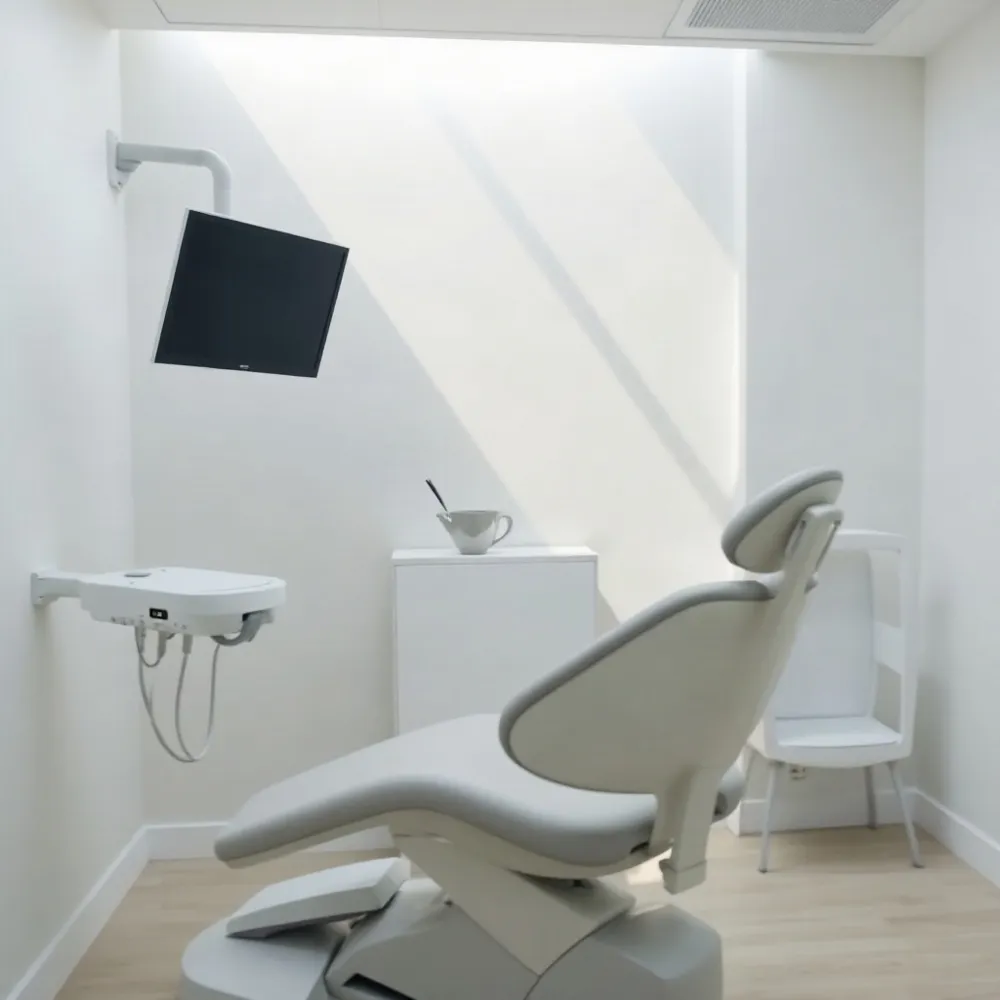 Comfort includes both how treatment feels physically and whether a patient feels safe, respected, and in control. A calm welcome, an empathetic response, and a clear explanation of what to expect can reduce uncertainty for some people. Research on patient-centred dental care describes humane treatment and communication adapted to the individual as part of care that responds to patients’ needs and preferences (patient-centred dental care).
Before treatment, patients can tell the dental team what tends to make visits difficult, such as sensitivity, anxiety, or a past uncomfortable experience. The team and patient can then discuss practical ways to make the appointment more manageable, without assuming the same approach will suit everyone.
- Agree on a hand signal or other way to ask for a pause.
- Plan for breaks and check-ins during treatment.
- Ask whether the patient prefers an explanation at each step or only a brief overview.
- Discuss appropriate ways to manage discomfort or anxiety before proceeding.
These conversations give patients a role in decisions and help the dental team respond to individual preferences. They do not guarantee that a visit will be free of discomfort, but they can make expectations clearer. Tigani Family Dentistry describes its care as personalized and comfortable, within a family-focused practice in Wilmington, Delaware.
A 2025 survey of U.S. dental patients found that respondents placed high importance on a gentle team and being treated as a person, though the findings reflect self-reported preferences rather than clinical outcomes (survey on patient experience and expectations). When patients feel heard and supported, they may find it easier to stay engaged with their oral health and discuss future care.
Taking the First Step Back
Embarrassment or anxiety about dental care can come from many places: a difficult past visit, fear of pain or needles, concerns about appearance, or not knowing what treatment may involve. These feelings are worth discussing, not hiding. Research on patient-centred dental care describes respect, trust, and attention to individual needs as parts of humane care, while noting that patients should have a meaningful role in decisions (patient-centred care in dentistry.
Before or during an appointment, tell the dental team what feels difficult and what kind of support would help. You might want a step-by-step explanation, fewer details, or a chance to ask questions before treatment begins. Agreeing on a hand signal to pause can also help you feel more in control. At Tigani Family Dentistry, the stated emphasis on personalized, comfortable, family-focused treatment gives patients a useful starting point for raising those preferences.
If it feels appropriate, bring a trusted person for support or begin with an introductory conversation to discuss concerns before deciding on next steps. A visit after a long gap does not need to begin with blame or a promise about what will happen. Booking an appointment is simply a constructive first step toward understanding your oral health and discussing care that fits your needs.
Recognizing When Trust Is Missing
A sound dentist-patient relationship makes room for questions, concerns, and clear explanations. Patients should be able to understand their options and have a meaningful role in decisions. A qualitative study of dentists describes patient-centred care as respecting individual needs and values, while noting that patient involvement can vary in practice (research on patient-centred dental care.
Warning signs include feeling rushed or dismissed, hesitating to raise concerns, or leaving with questions still unanswered. Be cautious when a recommendation arrives without a clear explanation of the diagnosis, why treatment is proposed, its risks and benefits, reasonable alternatives, and likely costs. Tigani Family Dentistry describes its approach as personalized and family-focused, principles that make listening and understandable discussion important parts of care.
A signed consent form does not replace a conversation. Before agreeing, you should have a chance to ask questions, understand what may happen, and consider the options, including whether waiting or declining treatment is appropriate. For complex care, take time to think it over rather than feeling pressured to decide immediately. Patient-centred decision-making balances clinical needs with a patient’s preferences and circumstances.
One uncomfortable interaction does not by itself establish that a dentist has acted improperly. You can first explain what remains unclear and ask for a fuller discussion. If communication and trust do not improve, consider seeking a second opinion or choosing another dentist. A 2025 survey of U.S. dental patients found that clear communication and transparency were among the factors associated with trust, though its self-reported results do not predict any individual patient’s experience (survey on patient experience and expectations.
Personalization in Practice Context
A practice’s services and setting can shape the choices available to patients, but they do not by themselves show how any one person’s care will be planned. Tigani Family Dentistry is a family-owned practice in Wilmington, Delaware, offering preventive, cosmetic, restorative, orthodontic, sleep, and aesthetic services, including Botox and Xerf skin tightening.
That range provides context for conversations about different priorities, from maintaining oral health to addressing restorative or appearance-related concerns. The practice also has an in-house lab, accepts most PPO insurance plans, and describes its approach as personalized, comfortable, and family-focused. These are stated practice features, not a guarantee of a particular treatment plan, result, or coverage decision.
Patients can ask which services fit their needs, what options are available, and how insurance and costs apply to their situation. A review of patient-centred dental care describes personalization as respecting individual needs and values while involving patients in decisions, rather than treating a service list as a substitute for discussion (patient-centred care in dentistry.
The experience of care depends on more than which procedures a practice offers. It also depends on whether patients can raise questions, understand their choices, and feel that their comfort matters. A broad scope of services can set the context; attentive care makes the visit responsive to the person.
Care Built Around the Patient
Personalized dental care shows up in everyday actions: listening closely, explaining options in plain language, adapting to a patient’s concerns, and inviting them into decisions. A qualitative study of dentists describes patient-centred care as respecting people’s needs and values, while noting that meaningful involvement takes more than simply presenting a preselected plan (study on patient-centred dental care).
Patients can help start that conversation by bringing questions, sharing what worries them, and explaining what matters most in their care. Tigani Family Dentistry’s family-focused practice offers preventive, restorative, cosmetic, and other dental services, with an emphasis on personalized, comfortable care.
A positive experience is not defined by a particular procedure or setting alone. It grows when patients can speak openly, understand their options, and feel respected. Better care begins when the person receiving it is treated as an active partner.