
Care That Changes With You
Dental needs and preferences differ from person to person, and they can shift with age, health, and daily circumstances. A comfortable visit starts with asking what matters to the patient instead of assuming one approach works for everyone. The National Institute on Aging’s guidance on individualized care describes the value of listening to people’s needs and involving them in decisions.
Family dentistry can support patients across life stages with routine care, oral-health guidance, and help identifying concerns. When a patient needs care beyond the practice’s scope, a family dentist can recommend an appropriate specialist. At Tigani Family Dentistry, a family-owned Wilmington practice, care spans preventive, restorative, orthodontic, and other dental services.
Comfort involves more than physical ease. Patients may want a clear explanation of options, time to raise concerns, or recommendations that account for their circumstances. Tigani Family Dentistry describes its approach as personalized, comfortable, and family-focused, making communication and individual preferences part of the care experience.
Everyday Care and Prevention
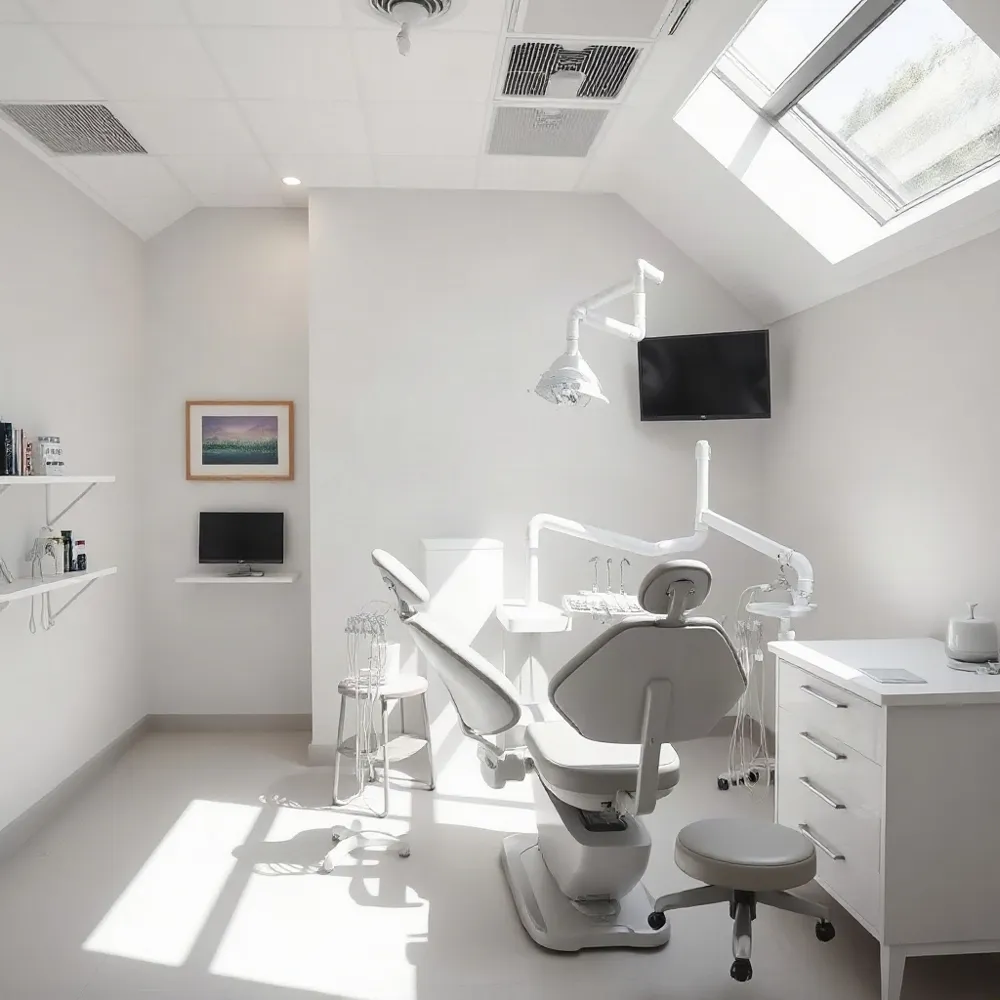 A family dentist provides routine exams and professional cleanings to monitor teeth and gums, remove buildup, and look for concerns before they become more difficult to address. Tigani Family Dentistry offers comprehensive care for families, with recommendations shaped around each patient’s needs.
What basic services does a family dentist provide?
Depending on a patient’s situation, routine care may include X-rays, oral cancer screenings, fluoride treatments, sealants, and practical advice on brushing and flossing. If an exam finds a problem, a family dentist may provide restorative treatment such as a filling or crown, or advise whether a referral is appropriate. Some practices also offer cosmetic or orthodontic services, but availability varies by office. A dentist can explain options and listen to individual preferences, an approach consistent with the National Institute on Aging’s guidance on involving people in care decisions.
What preventive dental services help protect teeth and gums?
Prevention combines professional care with daily habits at home. Brush twice a day for two minutes with fluoride toothpaste, and floss once a day. A dentist may recommend fluoride to help strengthen enamel, sealants for cavity-prone tooth surfaces, or a mouthguard for sports or nighttime grinding. Tigani Family Dentistry’s family-focused practice also provides a setting where patients can discuss their oral health and care preferences.
What is the 2-2-2 rule in dentistry?
The 2-2-2 rule is a memory aid: brush twice daily, for two minutes each time, and visit the dentist twice a year. The twice-yearly schedule is a general guideline, not a fixed rule for everyone. Your dentist may recommend a different interval or services based on your oral health, so follow the advice given for your needs.
Making Dental Visits Feel Manageable
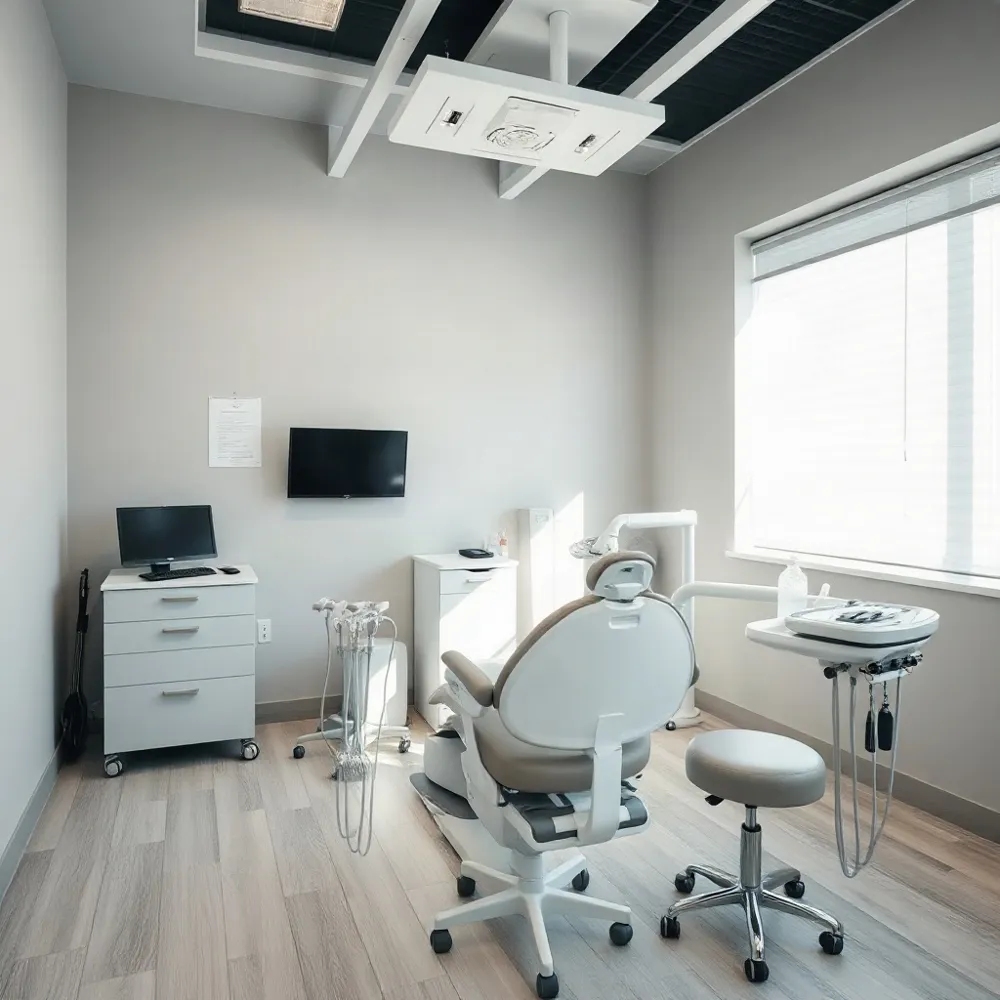 Dental anxiety can affect children, teens, and adults. Fear of pain or needles, difficult past experiences, unfamiliar sounds, sensitivity, embarrassment, uncertainty, or feeling a loss of control can all make an appointment stressful.
Patients can tell the dental team what worries them and how much explanation they prefer. Asking what will happen and why can make the visit more predictable. At Tigani Family Dentistry, a personalized, family-focused approach gives patients room to share concerns rather than face a one-size-fits-all experience.
It may help to agree on a signal for a pause before treatment begins. Patients can also ask which comfort options suit their needs. The National Institute on Aging emphasizes listening to individual preferences and involving people in care decisions, a principle that can support clearer conversations in many care settings (guidance on individual preferences).
A calm, nonjudgmental conversation can help patients focus on what needs attention and what choices are available. Returning to a familiar dental team, such as the family-focused team at Tigani Family Dentistry, may build familiarity and help routine care feel more predictable over time.
Putting off care can allow a concern to develop and make a later visit feel more urgent. Rather than trying to diagnose a symptom alone, describe it to the dental team and ask about the next step. A clear discussion can help turn uncertainty into a manageable plan.
Helping Children Build Confidence
 A child’s early dental experiences can shape how they feel about care as they grow. Regular visits help make the setting and routine more familiar, rather than linking dental care only with a problem.
How can parents make dental visits less scary for children?
Use calm, positive language and simple explanations that fit your child’s age. Avoid threats, frightening words, or stories about difficult experiences you have had. Do not promise that nothing will hurt; instead, explain that the dental team will help and answer questions.
A picture book or child-friendly video can introduce the idea of a dental visit. You can also play dentist at home with a stuffed animal and invite your child to ask questions, without repeatedly describing every possible sensation.
Tell the dental team about your child’s temperament and specific worries. At Tigani Family Dentistry, care is personalized and family-focused, so sharing those details can help the team adapt explanations and the visit to your child. Gentle introductions to tools, simple choices, or a pause may help when appropriate.
A familiar comfort item and an appointment when a child is rested, with enough time to arrive without rushing, may help some children. Afterward, praise specific actions, such as asking a question or speaking up, rather than expecting a flawless visit. The National Institute on Aging’s guidance on asking people about their needs and preferences offers a broader patient-centered principle that can apply to conversations about care (National Institute on Aging guidance.
Supporting Oral Health With Age
Aging can change the needs of teeth and gums, but age alone does not determine what care a person needs. Gum recession may expose roots that are more vulnerable to decay, while dry mouth can make it harder for saliva to protect teeth. Some medicines and health conditions can affect saliva or oral health, so regular checkups remain useful even when there is no obvious pain.
Older adults benefit from dental exams and cleanings that monitor the teeth, gums, existing dental work, and dentures. A dentist can also look for decay and signs of oral cancer. Some problems develop without clear symptoms, so an examination may identify a concern before it begins to affect eating or comfort.
At Tigani Family Dentistry, a family-owned practice in Wilmington, care is personalized to each patient's circumstances. Share changes in health or medication, dry mouth, discomfort, concerns about denture fit, or difficulty brushing and flossing. This information helps the dental team discuss appropriate ways to reduce decay risk and support comfortable chewing.
If arthritis, limited mobility, or another change makes home care harder, tell the dentist rather than assuming the routine must stay the same. The team can consider a person's health and abilities when discussing practical options for dry mouth, hygiene, denture maintenance, and preserving independence. The National Institute on Aging's guidance on individualized care also emphasizes listening to people's needs and involving them in decisions when possible.
A caregiver may help with brushing, notice bleeding or other changes, and arrange appointments or transportation. Their support can make ongoing care easier, while the patient should remain part of conversations and choices whenever possible. At Tigani Family Dentistry, a family-focused approach can include clear communication with patients and relatives about concerns and next steps.
Common Sources of Tooth Damage
Tooth decay is a common source of damage. Bacteria in plaque use sugars and starches to produce acids that weaken enamel and can lead to cavities. Frequent sugary foods and drinks, combined with inconsistent brushing or flossing, can increase the risk.
Acid erosion can also wear away enamel. Acidic drinks, including soda and juice, may contribute, as can stomach acids from reflux or repeated vomiting. Lost enamel does not grow back, so it is worth discussing possible acid exposure with a dentist.
Physical forces matter, too. Brushing with excessive pressure can wear tooth surfaces, while grinding or clenching may wear, chip, or crack teeth. At Tigani Family Dentistry, patients can discuss changes they have noticed and receive personalized care as part of the practice’s family-focused approach.
Regular examinations can help a dentist spot early changes and consider their possible causes. A dark spot, sensitivity, or rough edge alone does not establish what is wrong; describe what you notice and ask what steps may suit your situation. Tigani Family Dentistry offers comprehensive care, so concerns can be discussed with a dental team rather than assessed from appearance alone.
When Treatment Addresses an Existing Problem
Preventive care, such as checkups, cleanings, and fluoride treatments, aims to reduce the risk of problems before they develop. Restorative and endodontic treatment addresses a condition that is already present. At Tigani Family Dentistry, the care team provides both preventive and restorative services, with recommendations based on each patient’s needs.
Is a root canal considered preventive dental care?
No. A root canal is generally considered endodontic treatment because it addresses infection or damage involving the tooth’s inner pulp. The dentist removes affected tissue, cleans and seals the canals, and may place a crown to protect the tooth. Although this treatment can preserve the natural tooth and help prevent infection from worsening, it is not preventive care in the usual sense.
The right treatment depends on an examination and the patient’s circumstances. Tigani Family Dentistry’s comprehensive care includes restorative services, so patients can discuss what a recommended procedure involves and how it fits their treatment plan.
What can cause a smile to look crooked after dental work?
A smile may look uneven for a short time because swelling, bruising, or lingering numbness from local anesthetic can affect how the lips and cheek move. A restoration’s shape, position, or height may also change how the teeth meet and affect the bite.
Contact the treating dentist if the change remains after numbness and swelling settle, or if it comes with discomfort, numbness, weakness, or trouble chewing. Sudden facial weakness, especially with other concerning symptoms, needs urgent medical attention. The National Institute on Aging’s guidance emphasizes asking the person about their needs and involving them in care decisions, a useful principle when discussing concerns with a clinician (National Institute on Aging guidance.
Understanding Costs and Dental Benefits
Dental benefits depend on the details of a person’s plan, so the name of a coverage tier does not tell the whole story. Preventive coverage commonly focuses on checkups and cleanings, and may include X-rays, while broader plans may also provide benefits for restorative care such as fillings or crowns.
Restorative services may involve a deductible, copayment, or coinsurance, and even a plan described as comprehensive may exclude some treatments. Waiting periods, limits on covered services, and annual maximums can also affect what a patient pays. Review the policy or ask the insurer to confirm benefits before treatment; coverage details and limits vary by plan.
Can dentures be obtained at low or no cost? Sometimes. Medicaid and other public benefits may cover dentures in certain circumstances, but eligibility and coverage vary by state and individual circumstances. Dental schools, community health centers, and charitable dental programs may offer reduced-cost care or help identify assistance.
Before starting treatment, ask the dental office what a quoted price includes and whether payment plans or other financing options are available. Review grant offers carefully: assistance may apply only to certain procedures, require an assessment, or leave preparatory treatment out of coverage.
How does preventive dental insurance differ from comprehensive coverage? Preventive plans emphasize routine services, while broader plans may include some restorative benefits, subject to the policy’s terms. At Tigani Family Dentistry, the team accepts most PPO insurance plans and can help patients understand how benefits may apply, but coverage should be confirmed with the insurer before care.
A Comfortable Next Step
Comfortable dental care starts with prevention, clear communication, and a plan that reflects each person’s age, health, and preferences. The National Institute on Aging’s guidance on comfort-focused care emphasizes asking what matters to the individual and involving them in decisions. Those principles can help make dental conversations more useful, too.
At Tigani Family Dentistry, family-focused care includes preventive, restorative, and other dental services, with treatment personalized to the patient. Before or during a visit, share any concerns, questions, changes in health or medications, and preferences about how the team explains care. You can also ask what your dental benefits cover and whether a proposed service may involve an out-of-pocket cost.
A qualified dental professional can assess your situation, explain appropriate options, and help you decide on a practical next step. If a visit feels daunting, begin with a conversation about what would make it more manageable. One appointment can be a step toward ongoing oral health, without needing to resolve every concern at once.