
A Home Routine That Adds Up
Preventing tooth decay is less about one special product than the habits repeated each day. Brushing and cleaning between teeth remove plaque, while thoughtful food and drink choices reduce frequent exposure to sugars and acids. Drinking water can also help rinse away food and support saliva, which protects teeth.
The National Institute of Dental and Craniofacial Research’s explanation of tooth decay describes how plaque bacteria produce acids that remove minerals from enamel. Saliva and fluoride help replace those minerals, but repeated acid attacks can outpace repair and lead to a cavity. Early mineral loss may be stopped or reversed; a formed cavity needs a dentist’s care.
A lack of pain does not necessarily mean teeth are decay-free. Early decay may have no noticeable symptoms, so regular examinations matter alongside home care. At Tigani Family Dentistry in Wilmington, a family-owned practice offering comprehensive dental care, patients can discuss preventive care suited to their needs, even when their teeth feel fine.
How Decay Begins
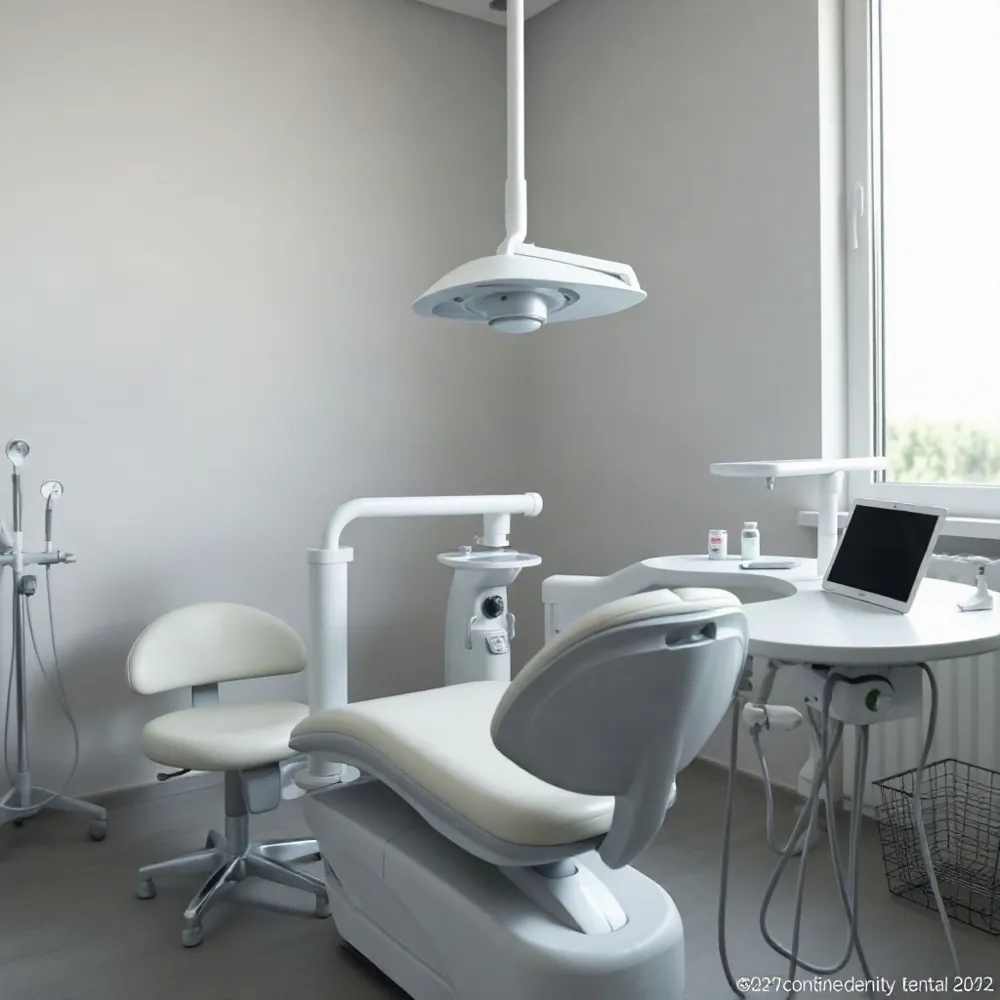 Tooth decay starts when bacteria in dental plaque use sugars and starches from food and drinks to produce acids. Those acids remove minerals from enamel. Saliva and fluoride help replace some of those minerals, but decay can progress when mineral loss happens faster than repair, as the National Institute of Dental and Craniofacial Research explains.
How often teeth encounter these acids matters. Frequent snacking or sipping gives enamel repeated acid attacks, leaving less time for saliva and fluoride to support mineral repair. Plaque that remains on teeth can keep the process going, which is one reason regular brushing and cleaning between teeth matter.
Common sources include soda, sweetened tea, sports and energy drinks, candy, desserts, and sticky dried fruit. Crackers, chips, white bread, and refined pasta also contain fermentable carbohydrates, and pieces can linger on teeth. Sugary foods and drinks are especially worth limiting between meals, when repeated exposure can increase the number of acid attacks.
Acidic drinks, including citrus juice and lemonade, expose enamel to acid directly, even apart from the sugars they may contain. Choosing water between meals instead of sipping sweet or acidic drinks throughout the day can reduce repeated exposure. Guidance from the University of Rochester Medical Center on foods and teeth also recommends limiting between-meal snacks.
At Tigani Family Dentistry, a family-owned practice in Wilmington, Delaware, preventive care is part of a broader range of family dental services. A dentist can help identify personal risk factors and discuss practical changes to food, drink, and home-care habits.
Brush and Clean Between Teeth
 Brush twice a day for two minutes with fluoride toothpaste and a soft-bristled brush. Use gentle pressure and cover the outer, inner, and chewing surfaces of every tooth, including the back molars. Forceful scrubbing can irritate gums, so focus on careful, controlled strokes instead.
A toothbrush cannot fully clean the tight spaces between teeth. Floss or another suitable interdental cleaner, such as an interdental brush or water flosser, can remove trapped food and disrupt plaque in these areas. Daily cleaning between teeth helps limit plaque before it hardens into calculus, which a dental professional must remove. The National Institute of Dental and Craniofacial Research’s flossing guidance explains why cleaning between teeth complements brushing.
To floss, guide the thread gently between teeth rather than snapping it against the gums. Curve it into a C shape against one tooth and move it up and down, including just beneath the gumline. Repeat against the neighboring tooth before moving to the next space. If string floss is difficult to handle, ask your dentist which tool may suit you.
Flossing before or after brushing is fine. Choose the order that helps you clean thoroughly and stick with the habit each day. The American Dental Association likewise describes several tools for cleaning between teeth and advises choosing one that fits your needs.
At Tigani Family Dentistry, patients can discuss brushing and flossing technique as part of personalized dental care. The family-owned Wilmington practice also offers comprehensive care, so families can ask their dental team about home-cleaning methods that fit their needs.
Use Fluoride With Care
Is fluoride toothpaste safe and effective for preventing cavities? Yes. Used as directed, fluoride helps make enamel more resistant to acid and replaces minerals lost during acid attacks. It can also stop or reverse decay at an early stage, before a cavity forms, as explained by the National Institute of Dental and Craniofacial Research.
Brushing twice daily with fluoride toothpaste is a central prevention habit. Adults can ask their dental team which toothpaste suits their needs, particularly if they have a history of decay, dry mouth, or another factor that may raise cavity risk. At Tigani Family Dentistry, personalized family-focused care can help patients discuss those choices in the context of their oral health.
Young children need an age-appropriate amount and an adult’s help. For children under 3, use a smear about the size of a grain of rice. For ages 3 to 6, use a pea-sized amount. Supervise brushing and encourage children to spit out the toothpaste rather than swallow it.
Regularly swallowing more fluoride toothpaste than recommended while teeth are developing can cause dental fluorosis, which usually appears as mild white lines or spots on permanent teeth. Store toothpaste where young children cannot access it, dispense the recommended amount, and ask a dental professional about individual toothpaste choices or concerns.
Some people may benefit from fluoride beyond their daily toothpaste. Depending on cavity risk, a dentist may recommend an in-office fluoride varnish or prescription toothpaste. The right choice and schedule depend on the person, so families can raise the question during a visit with Tigani Family Dentistry rather than adding products without professional guidance.
Make Food and Drink Choices Count
How often sugary and starchy foods touch the teeth matters. Frequent snacking or sipping sweet drinks gives plaque bacteria repeated chances to produce enamel-damaging acids. Try to keep these foods and drinks to mealtimes rather than grazing through the day, as explained in the University of Rochester’s guide to foods for teeth.
Choose plain water between meals and after sugary or acidic foods and drinks. It helps rinse away residue, supports hydration and saliva flow, and saliva helps clear food particles and soften the effects of acids. At Tigani Family Dentistry, a family-owned practice in Wilmington, Delaware, patients can discuss how everyday habits fit their individual oral-health needs.
A balanced diet can include milk, cheese or plain yogurt, leafy greens, crunchy vegetables, nuts, and seeds. These foods provide nutrients that support general health, while crunchy produce can encourage saliva. Food choices complement daily brushing and cleaning between teeth; they do not replace them.
Sugar-free gum may also stimulate saliva and help clear food particles after a meal. Treat it as an optional extra, not a stand-in for brushing and flossing. If you have questions about snack choices or dry mouth, Tigani Family Dentistry’s team can consider them alongside your preventive care.
When Early Decay May Be Reversible
Can early tooth decay be stopped or reversed at home? Sometimes, if mineral loss is caught before enamel breaks down and a hole forms. At this early stage, minerals from saliva and fluoride may help repair enamel. A dentist can assess whether a spot is still in this reversible stage.
A white spot on a tooth can be an early sign of mineral loss. It may not hurt or cause any other obvious symptoms, so the absence of pain does not rule out decay. The National Institute of Dental and Craniofacial Research’s guide to the tooth decay process explains how early decay can be stopped or reversed before a cavity forms.
At home, brush twice a day with fluoride toothpaste and clean between your teeth daily. Limiting frequent sugary snacks and drinks gives enamel more time to recover between acid exposures. Drinking water supports saliva, which helps rinse the mouth and supplies minerals that contribute to enamel repair.
These habits support enamel, but they cannot rebuild tooth structure after a cavity has formed. A cavity is permanent damage and often needs restorative care, such as a filling. Don’t scrape or cut at a suspicious spot, or rely on home remedies to repair it. Arrange a dental exam so the area can be assessed and monitored or treated.
At Tigani Family Dentistry in Wilmington, a family-owned practice, a dental professional can evaluate a suspected spot and discuss care suited to the patient. Prompt assessment matters even when the tooth feels normal, because early decay may be painless.
Respond Promptly to a Child’s Symptoms
What should you do if a child has signs of tooth decay? Arrange a dental evaluation rather than trying to treat a suspected cavity at home. A white spot may indicate an early enamel change, while a cavity involves lasting damage. A dentist can assess what is happening and recommend care suited to the child’s age and needs. NIDCR guidance on tooth decay explains how early mineral loss differs from a cavity.
While waiting for the appointment, help your child brush twice daily with fluoride toothpaste. For children under age three, use a rice-grain-sized smear; for ages three to six, use a pea-sized amount and supervise brushing so the child spits rather than swallows. These age-specific steps follow NIDCR’s pediatric guidance. At Tigani Family Dentistry, the family-focused practice can discuss preventive care with parents as part of a child’s dental needs.
Keep sugary snacks and drinks occasional rather than allowing frequent grazing or sipping, and offer water between meals. Repeated sugar exposure gives plaque bacteria more chances to produce acids that weaken enamel. These habits can support comfort and prevention, but they do not diagnose or repair a cavity.
Seek urgent dental advice if your child has significant pain, facial swelling, fever, or trouble eating. Call the dental office promptly and describe the symptoms, including when they began and whether they are getting worse. Swelling with fever or difficulty eating should not be left to home care alone.
Professional Care Protects Teeth
 How do dentists treat a cavity, and can a decayed tooth be restored? Treatment depends on how far decay has progressed. A dentist examines the tooth and may use X-rays when needed to assess damage that is not visible on the surface.
Very early enamel changes may sometimes be managed with professional fluoride and other preventive care before a hole forms. Once decay creates a cavity, home care cannot repair the damage. The dentist may remove the decayed area and place a filling to restore the tooth’s shape and function. Treatment options for tooth decay depend on the location and extent of the damage.
A larger area of damage may need a crown. If decay reaches the inner pulp, root canal treatment may help save the tooth, often followed by a crown. Many decayed teeth can be restored, and prompt assessment can help limit further damage and the need for more extensive treatment.
Regular exams and cleanings give a dental team the chance to spot changes early, remove plaque, and tailor prevention to a patient’s needs. Depending on the person’s risk, a dentist may discuss sealants or additional fluoride. At Tigani Family Dentistry, the family-owned Wilmington practice provides comprehensive dental care, with preventive services as part of its broader care offering.
Consistency Is the Key
A practical routine can be simple: brush with fluoride toothpaste, clean between teeth each day, limit frequent sugary snacks and drinks, and choose water between meals. These habits help reduce repeated acid attacks on enamel, as explained by the National Institute of Dental and Craniofacial Research.
Keep regular dental appointments, too. At Tigani Family Dentistry, the family-owned Wilmington practice offers comprehensive care and accepts most PPO insurance. Contact a dental professional about suspected decay or questions about prevention tailored to your needs.