A Timeline Shaped by Your Smile
One of the first questions people ask about clear aligners is how long treatment will take. There is no single answer: the timeline depends on your starting alignment, the tooth and bite movements needed, and how consistently you follow your clinician’s instructions. A plan for mild crowding may differ considerably from one addressing several types of movement.
Published treatment ranges are general estimates, not promises. The number of trays, your response to treatment, and any adjustments along the way can all affect the schedule. An examination is needed to assess whether aligners suit your needs and to provide a personal estimate. At Tigani Family Dentistry, a family-owned practice in Wilmington, DE, orthodontic care is part of the broader dental services offered, so an evaluation can take your individual oral health and goals into account.
The sections ahead explain what can shape treatment time and how daily habits may help keep care on track.
How Aligners Work and Who They Suit
 Clear aligners are a sequence of custom-made, transparent trays. Each tray fits over the teeth and applies gentle pressure to guide them gradually into planned positions. A scientific review of clear aligner treatment notes that results depend on the movements required and how consistently a patient follows the treatment plan.
Aligners may suit people with healthy teeth and gums who can wear the trays as prescribed, often for 20 to 22 hours a day. They can address some mild to moderate crowding, gaps, bite concerns, or shifting after earlier orthodontic treatment. Tigani Family Dentistry provides orthodontic care as part of its broader dental services, and an assessment can help determine whether removable trays fit a patient’s needs.
Tooth decay or gum problems may need treatment before orthodontic care begins. Some complex movements may also be less predictable with aligners, so an evaluation is needed to weigh the options. The review describes clear aligners as appropriate for many mild to moderate cases, while noting that certain movements may require attachments or a different approach.
Unlike fixed brackets and wires, aligners can be removed for meals and brushing, which can make eating and cleaning teeth easier. The trade-off is that patients must wear and clean them consistently. Braces work continuously and can address a broad range of problems, but require careful brushing and flossing around the hardware and avoiding foods that may damage it.
Either option may cause temporary discomfort as teeth begin to move, and retainers are generally needed afterward to help maintain the result. Tigani Family Dentistry’s family-focused care includes preventive and orthodontic services, allowing treatment choices to be considered alongside a patient’s dental health, goals, and daily routine.
Typical Treatment Time and Its Influences
 Many clear-aligner courses take about 12 to 18 months. Minor corrections may take around 6 to 12 months, while complex cases can require 24 months or longer. These are broad estimates, not a promise of how long any one person’s treatment will take.
The timeline depends on the severity and type of alignment or bite concern, the tooth movements needed, and how many trays the plan requires. A review of clear-aligner research describes case complexity and patient cooperation as important influences on treatment duration, while noting that some movements are less predictable with aligners (review of clear-aligner treatment research).
Age and individual biological response can also affect the pace of tooth movement. Adults can be treated effectively, but their response may differ from that of younger patients. Consistent wear and following the clinician’s instructions also help keep treatment aligned with the plan.
Sometimes teeth do not follow the planned movement exactly. Refinement trays or other mid-course adjustments may then be needed, adding time before treatment is complete. Tigani Family Dentistry provides orthodontic care as part of its broader dental services, with treatment needs assessed in the context of each patient’s smile.
Initial pressure or small visible changes do not mean treatment is finished. A personal estimate requires an assessment of the teeth, bite, and planned movements. At Tigani Family Dentistry, that evaluation can help establish a realistic timeline rather than relying on a general range.
Gaps, Bite Changes, and Specific Movements
Clear aligners can often close spaces and improve mild to moderate overbites. More severe bite problems may need attachments, elastics, braces, or another approach. At Tigani Family Dentistry, an individualized assessment can help determine whether aligners suit the bite and what movements a treatment plan would involve.
The type of movement matters. Bringing nearby teeth together may be simpler than rotating a tooth or moving it vertically, as may be needed to correct a deep bite. The more complex movements can take longer and may be less predictable with aligners alone. A scientific review of clear-aligner treatment notes that duration and results depend on case complexity and patient cooperation in its review of clear aligner evidence.
Small gaps may take several months to close, while wider or multiple spaces and bite correction can take longer, sometimes around 12 to 24 months. These are broad estimates, not promises: the number of teeth involved, the movements required, and your response to treatment all affect timing. Tigani Family Dentistry provides comprehensive dental care, so an evaluation can also identify oral-health needs that may need attention before orthodontic treatment.
Can clear aligners move teeth noticeably in just two days?
Aligners begin applying gentle pressure early, but noticeable tooth movement in just two days is unlikely. Each tray makes small, planned adjustments, and early tightness does not mean a visible change has already occurred. Wear each set as directed, and do not switch to the next tray early. Your dentist can explain what progress to expect during follow-up.
What are Invisalign attachments, and how long does placement take?
Attachments are small, tooth-colored composite shapes bonded to selected teeth. They help aligners grip and guide movements that may be difficult to achieve with a smooth tray alone. The treatment plan determines whether they are needed and which teeth receive them.
Placement commonly takes about 20 to 30 minutes. The dentist prepares the teeth, applies composite with a template, and hardens it with a special light. Some temporary discomfort may follow as the teeth adjust. The need for attachments and the likely treatment time are best discussed after a clinical assessment.
Daily Wear and the Thirty Minute Guideline
Clear aligners are typically worn for 20 to 22 hours a day, with breaks for meals and brushing and flossing. Follow the schedule set by your treating dentist, since the right instructions can vary with the treatment plan. A review of clear-aligner research also identifies patient cooperation as an important part of achieving planned tooth movement (scientific review of clear aligner treatment.
Wearing trays for less time than prescribed can slow movement and extend treatment. Teeth may also stop tracking with the aligners, so a later tray may not fit as intended. Your provider may recommend wearing the current tray longer or using refinement aligners to address movements that did not happen as planned.
What is the 30-minute rule for Invisalign?
The 30-minute rule is a practical reminder to put aligners back in within about 30 minutes after eating or cleaning your teeth. It can help you stay near the daily wear target, but it does not replace your dentist’s instructions. Rinse your mouth and brush and floss before reinserting when possible. If you have had acidic food or drinks, follow your dental professional’s advice about when to brush.
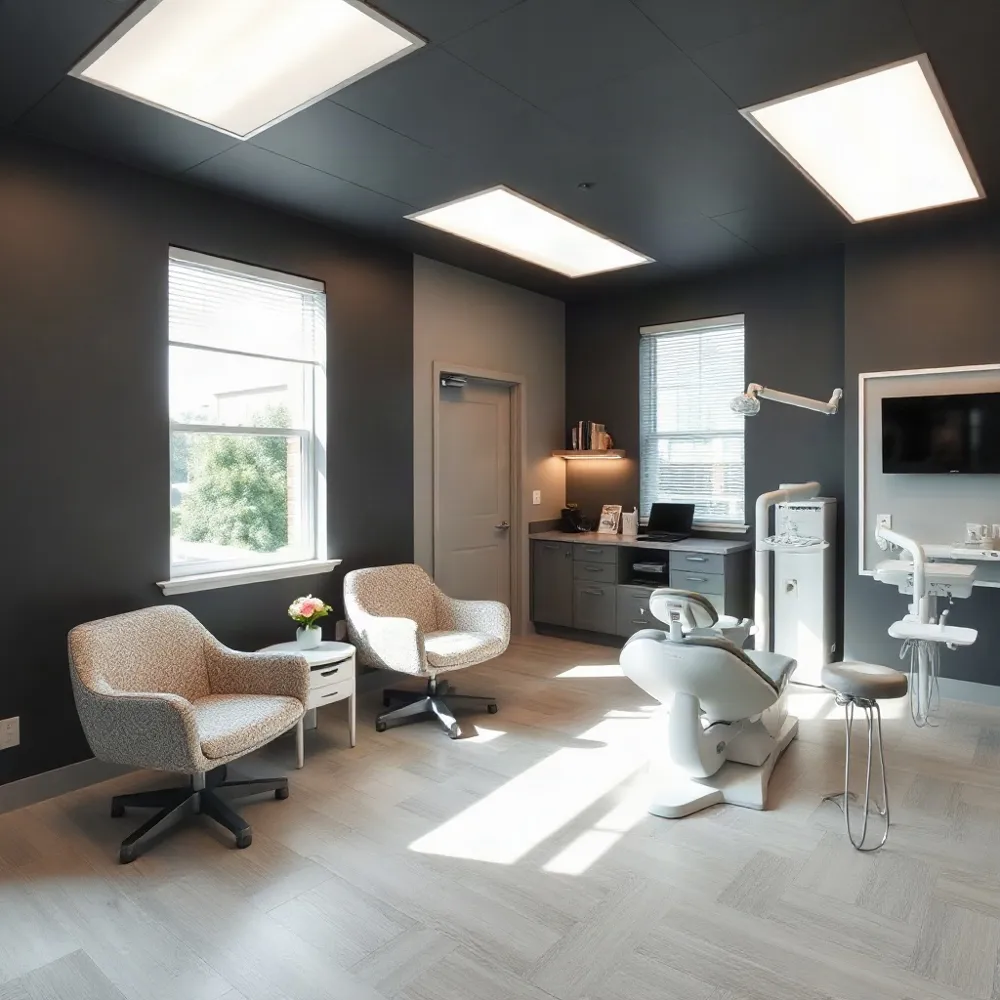
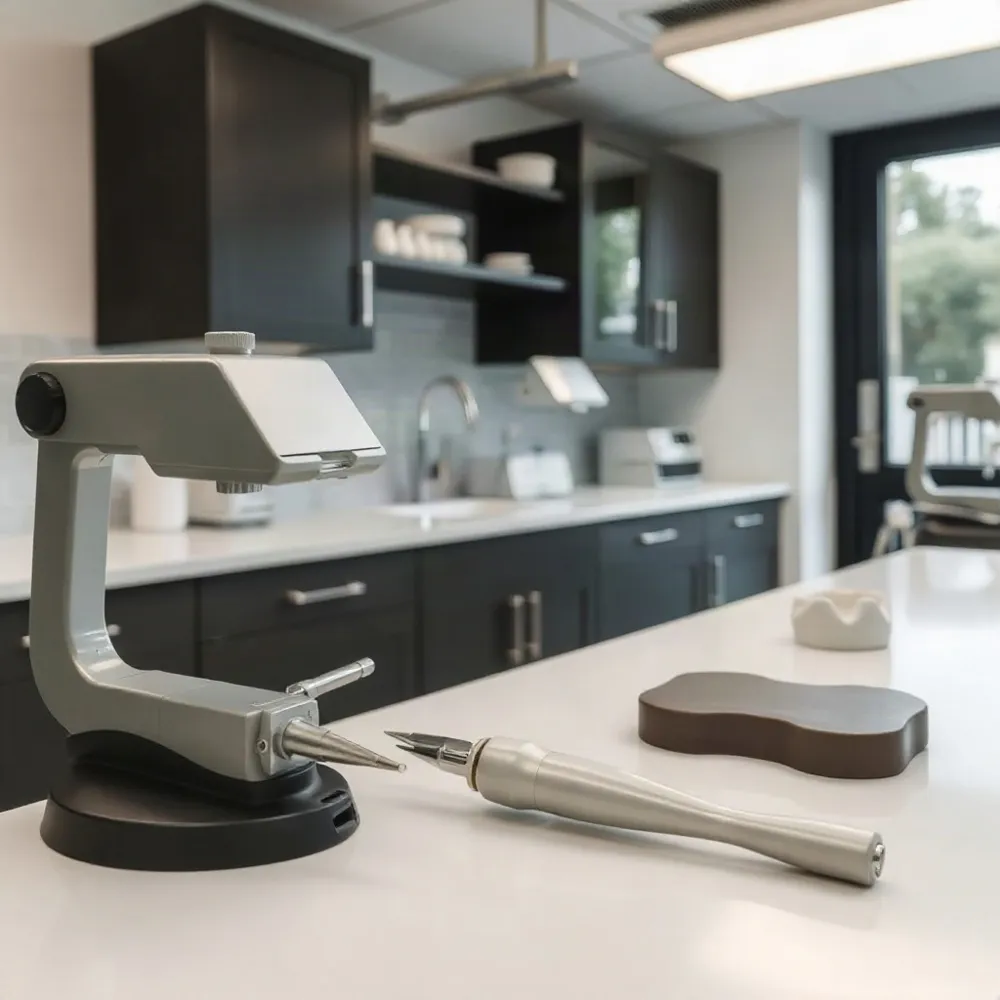
To make consistent wear easier, plan meals, limit unnecessary removals, and use a timer or tracking app if it helps. Keep the case nearby whenever trays are out, and return them promptly after cleaning. At Tigani Family Dentistry, an in-house lab is part of the practice’s care setting, while daily wear and tray changes still need to follow the clinician’s directions.
If you miss several hours, put the aligners back in as soon as you can and resume your prescribed schedule. If they have been out for a full day or longer, contact your dental provider for advice before changing trays. Also check in if a tray is lost, damaged, or no longer fits snugly rather than trying to adjust the plan yourself.
What Discomfort May Feel Like
Clear aligners usually cause pressure, tightness, or tenderness rather than sharp pain. Discomfort is most noticeable during the first few days of treatment and after switching to a new tray, as the teeth adjust to its fit.
You may feel soreness when biting or chewing, or when inserting and removing the trays. This often eases as you get used to wearing them. Softer foods and cool water may help with temporary tenderness, but keep following the wear schedule prescribed by your dental provider.
A 2019 review of clear-aligner research describes patient cooperation as important to treatment, so do not stop wearing a tray or change your schedule without checking with your clinician. Contact your provider if pain is severe, worsening, lasts more than a few days, or comes with swelling, sores, or a tray that does not fit properly. At Tigani Family Dentistry, treatment is personalized, and the practice’s comprehensive dental care allows patients to discuss discomfort with their dental team.
Understanding Treatment Costs
How much does clear aligner treatment cost, and what can affect the price? There is no single fee that applies to every case. An examination and an individualized treatment plan are needed to estimate the cost; a general price range cannot account for the movements your teeth need or your oral health.
The amount and complexity of movement, including crowding, spacing, or bite concerns, can affect the expected treatment length and number of aligners. Dental care needed before or during orthodontic treatment, or additional procedures included in the plan, may also change the total. A scientific review of clear aligner treatment notes that treatment depends on case complexity and the movements required, rather than following one standard course.
At Tigani Family Dentistry, an examination can help connect your goals to a personalized plan and estimate. The practice accepts most PPO insurance plans and can discuss applicable benefits and payment options, though coverage varies by plan and should be confirmed with your insurer.
Retainers Protect the Finished Result
 Yes, patients generally need retainers after Invisalign or other clear-aligner treatment. Teeth can shift after active treatment ends, so retainers help hold them in their new positions. A scientific review of clear-aligner treatment also notes that long-term stability evidence is limited, supporting the need for retention and follow-up care (review of clear-aligner treatment.
Removable retainers are taken out for eating and cleaning. A dentist or orthodontist may recommend wearing them full-time at first, then mainly at night, but the schedule depends on the individual. Fixed retainers are bonded behind the teeth and stay in place, though they still need careful cleaning and routine checks.
At Tigani Family Dentistry, an in-house lab is part of the practice’s care setting; your provider can explain the retention option and schedule suited to your treatment. Wear retainers as directed, clean removable ones regularly, and keep fixed retainers clean around the bonded wire. If a retainer feels loose, breaks, or no longer fits, contact your dental professional rather than changing the schedule on your own.
Get an Estimate for Your Own Case
General treatment ranges can help set expectations, but they cannot predict an individual result. The movements needed, how consistently aligners are worn, and each person’s response to treatment all affect the timeline. A peer-reviewed review of clear-aligner research likewise notes that treatment duration depends on case complexity and patient cooperation.
If you are considering aligners, an evaluation at Tigani Family Dentistry in Wilmington can help determine whether they suit your teeth and bite, discuss your goals, and provide a more relevant estimate. The practice offers comprehensive dental care and personalized treatment, so questions about oral health and orthodontic options can be considered together.