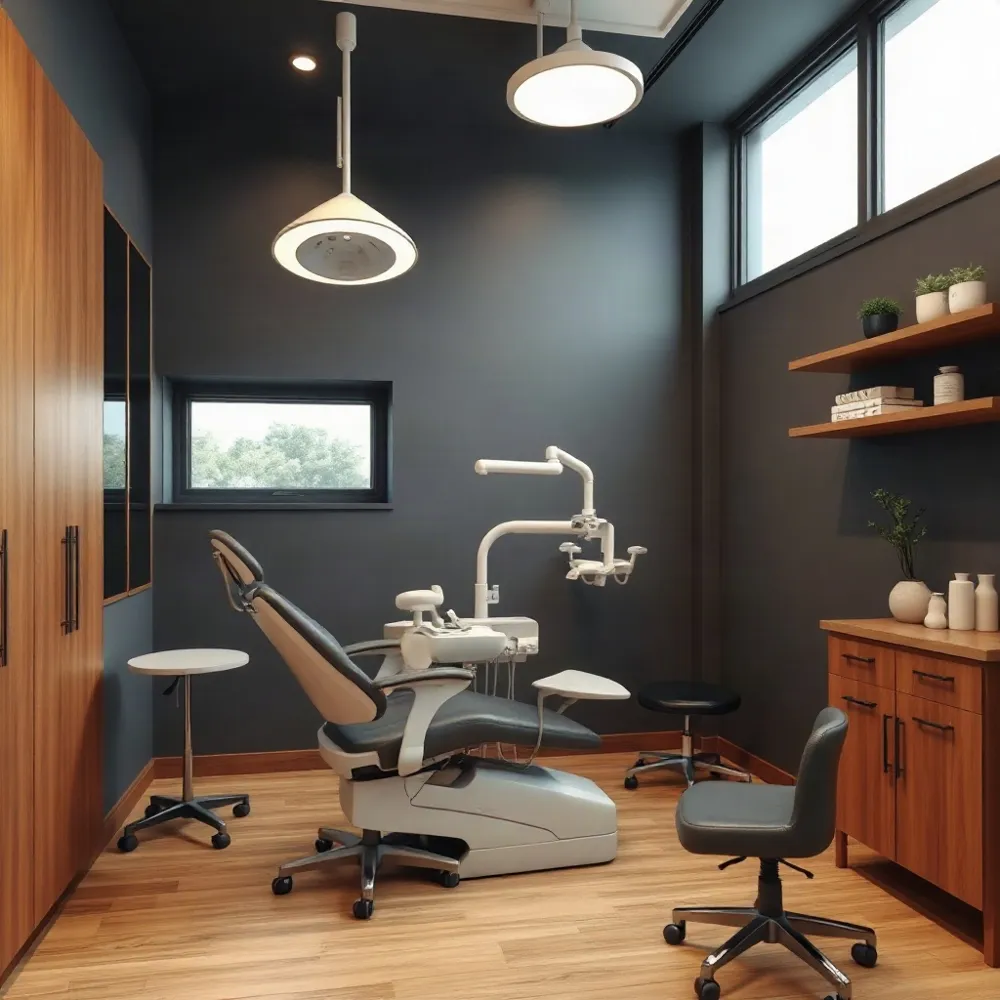
A Conversation Before Treatment
A smile makeover consultation is a chance to talk through what you would like to change, whether that means brightening stained teeth, repairing a chip, or addressing gaps. It is also a time for the dentist to assess your teeth, gums, and bite. The visit is for discussion and evaluation, not a commitment to start treatment.
Treatment is tailored to your goals and oral health. A plan might focus on one concern or combine cosmetic care with restorative or orthodontic treatment. At Tigani Family Dentistry, the consultation can draw on the practice’s comprehensive preventive, cosmetic, restorative, and orthodontic services, with recommendations based on your examination.
The conversation can clarify which options may be appropriate, what the next steps could involve, and how treatment timing and costs may vary. The final recommendations depend on clinical findings, so bring your questions and share what matters most to you. Tigani Family Dentistry’s in-house lab is part of its local care setting, while your individual plan and estimate are determined through assessment.
Goals and the First Assessment
 You do not need a detailed picture of your ideal smile to begin. A general wish to feel more comfortable with your teeth gives the dentist a starting point. You might mention staining, chips, gaps, tooth shape, crooked teeth, or missing or damaged teeth, and explain which concerns matter most to you.
What should I expect during a dental consultation?
The dentist may review your medical and dental history, medications, and current concerns before examining your teeth, gums, bite, and overall oral health. X-rays, photographs, or digital scans may be recommended when they can help assess your needs; the methods used vary by practice. At Tigani Family Dentistry, a Wilmington practice offering preventive, restorative, cosmetic, and orthodontic care, the assessment can help guide discussion of options suited to your oral health and priorities.
If the examination finds active decay, gum disease, or another health concern, that may need attention before elective cosmetic work. Addressing the foundation first can help the dentist determine which treatments are appropriate, rather than assuming every concern calls for a cosmetic procedure.
What does a smile makeover include?
There is no standard package. Depending on your goals and assessment, a plan may involve one treatment or a combination of cosmetic and restorative care, such as whitening, bonding, veneers, crowns, or orthodontic treatment. Damaged or missing teeth may call for restorative options. Ask what each recommendation is intended to address, along with its steps, timing, costs, and possible insurance application. Tigani Family Dentistry accepts most PPO insurance, though coverage depends on the plan and treatment.
Bring insurance information, a current medication list, and written questions so you can discuss what matters to you. Mention anxiety or other comfort needs, too. Sharing these details helps the dental team explain the assessment and options in a way that supports an informed decision.
Building a Treatment Plan
A treatment plan should connect what you hope to change with what an examination shows about your teeth, gums, bite, and overall oral health. Your preferences and practical concerns matter too, so recommendations should fit your needs rather than follow a standard package. At Tigani Family Dentistry, cosmetic, restorative, and orthodontic care are part of the practice’s broader services, allowing treatment needs to be discussed in context.
The options depend on the concern. Whitening may help with many stains, while bonding can address some chips or gaps. Veneers may be considered for certain changes to tooth color or shape, and orthodontic treatment can address alignment. A damaged tooth may need a crown, while a missing tooth may call for a replacement option. These are possibilities, not automatic recommendations.
Different treatments can sometimes address the same concern. Ask what each option may improve, what it cannot change, and why the dentist recommends it for your case. The discussion should also cover likely results, possible risks, preparation, aftercare, and how much natural tooth structure a procedure may alter. For example, veneer treatment can involve removing enamel, so it is worth understanding that change before deciding.
A plan may be adjusted after you discuss these details. Tigani Family Dentistry’s in-house lab is part of its care setting, but your dentist can explain how any proposed restoration would be made and what steps your treatment would involve. Take time to review the recommendations, ask follow-up questions, and consider alternatives before agreeing to proceed.
The Timeline and Treatment Sequence
 A smile makeover may take a few weeks or several months. The schedule depends on the procedures selected, how many teeth are involved, your oral health, and any healing time needed. Treating decay or gum disease first can also add time before cosmetic work begins.
Some changes, such as whitening or bonding, may take one or a few visits. Veneers commonly require multiple appointments over several weeks, while clear aligners can take several months or longer, depending on the tooth movement needed. When a plan combines treatments, the order matters: for example, a dentist may recommend completing whitening before choosing the shade for restorations.
At Tigani Family Dentistry, an assessment of your goals and oral health can help the team outline an estimated, personalized timeline. Its in-house lab is part of the practice’s restorative care, though the full schedule still depends on the procedures involved and the time needed for any custom work.
Use the estimate to plan around appointments, work or family commitments, and recovery. It is a guide, not a guaranteed finish date. Healing may take longer than expected, or an examination may uncover a concern that needs attention first, so the sequence and schedule can change as treatment progresses.
Smile Design and Veneer Choices
The informal 4-8-10 guideline offers one way to discuss how many upper teeth may need veneers for a balanced smile. It suggests about four for a subtle smile, eight for an average smile, and ten when a broad smile reveals the premolars.
This is a starting point for conversation, not a prescription. A dentist considers which teeth show when you smile, their condition and alignment, your goals, and whether untreated teeth will match the color and shape of any restorations. At Tigani Family Dentistry, cosmetic planning is part of a broader range of care that also includes restorative and orthodontic services, allowing treatment discussions to account for both appearance and dental needs.
What is the 4-8-10 rule for veneers?
Veneers cover the front surfaces of teeth to change their appearance, but they are not the only way to address cosmetic concerns. The right option depends on what you want to change and how much natural tooth structure a treatment affects.
What alternatives to veneers might a dentist recommend?
Professional whitening may help with stains, while tooth-colored bonding can repair smaller chips, gaps, or uneven edges. Clear aligners move teeth to address crowding or spacing rather than covering them. A crown covers more of a tooth and may be considered when it is significantly weakened or damaged. Each option has different care and durability considerations, so an individualized assessment helps clarify what fits your oral health and goals.
Estimating the Overall Investment
 A smile makeover can cost a few hundred dollars for a simple treatment, around $5,000 to $15,000 for a moderate plan, or $15,000 or more when several procedures are involved. These are general estimates, not a quote: the total depends on the treatments selected, number of teeth, materials, case complexity, and appointments required.
Whitening may cost a few hundred dollars, while veneers, orthodontics, crowns, and implants can raise the total substantially. At Tigani Family Dentistry, cosmetic and restorative care are part of a broader range of services, so an examination can help clarify which treatments fit the patient’s needs and what an individualized estimate includes.
How much does dental bonding cost, especially for closing gaps?
Dental bonding is estimated at about $300 to $800 per tooth, though fees vary with location and case complexity. Closing a gap may involve one or more front teeth, depending on the gap and the amount of resin and shaping needed. Bonding can be a conservative, less costly alternative to veneers, but it may require polishing, repair, or replacement over time.
Insurance coverage for treatment done only to change appearance may be limited. Coverage may be possible when bonding restores a damaged tooth, but the patient’s plan determines eligibility. Tigani Family Dentistry accepts most PPO insurance, and its team can help patients review benefits; a consultation is still needed to confirm treatment suitability and the expected cost.
Insurance and Crown Costs
Does dental insurance cover veneers?
Many dental plans classify veneers as cosmetic and exclude them when the main goal is to change a smile’s appearance. Coverage may differ if a tooth has significant damage, decay, or severe wear, but the insurer may consider a restorative option such as a crown instead. Some plans also apply an alternate benefit, paying only up to the amount allowed for a less expensive covered treatment. You may owe the difference.
Before treatment, check your plan’s cosmetic exclusions, alternate-benefit rules, deductible, and remaining annual maximum. Ask the dental office or insurer for a written predetermination. Exams, X-rays, or treatment needed before veneers may be considered separately. At Tigani Family Dentistry, the team can help review insurance benefits; the practice accepts most PPO insurance, though coverage depends on your plan.
How much do dental crowns cost with insurance?
An estimated out-of-pocket cost for a crown with insurance is about $300 to $900, but your amount may differ based on crown type, the dentist’s fee, plan coverage, deductible, and remaining annual benefits. Some plans cover a portion of a crown when it is medically necessary, but coverage and limits vary. If you have already used much of your annual maximum, your share may be higher.
Request a written estimate and review your benefits before deciding. Tigani Family Dentistry provides comprehensive restorative care, so you can discuss the proposed crown and expected costs with the dental team before proceeding.
Planning for Implant Treatment
Dental implant costs depend on the treatment plan, location, and any additional care needed. A single implant without insurance typically costs about $3,000 to $6,000, including the implant post, abutment, and crown. Bone grafting or other procedures can increase the total, and full-mouth treatment may cost $60,000 or more.
How much do dental implants cost with and without insurance? Without coverage, the estimate depends on the procedures involved. With insurance, your out-of-pocket cost depends on your plan. Some policies cover part of treatment, such as an exam, extraction, or crown; others exclude implants or apply annual limits, deductibles, or waiting periods. Ask your insurer and dentist to review your benefits and prepare an individualized estimate before treatment.
At Tigani Family Dentistry, the team can discuss implant treatment options and payment arrangements. Patients may combine insurance benefits with personal funds, or use eligible health savings account (HSA) or flexible spending account (FSA) funds. Ask whether monthly payment plans or third-party financing are available.
How can patients pay for dental implants? Financing through a third party, such as CareCredit, may be an option for approved applicants. Before enrolling, review the terms, interest, and fees, including what happens if promotional financing is not paid off within the stated period. Confirm which expenses qualify for HSA or FSA payment, and request a written estimate that reflects your specific treatment plan.
Leave With a Clear Next Step
Before leaving, make sure you understand the examination findings, recommended options, likely treatment sequence, and estimated costs. Ask which details still need confirmation, including insurance benefits or financing terms.
You do not have to decide during the consultation. Tigani Family Dentistry accepts most PPO insurance, but coverage depends on your plan and treatment, so verify benefits before committing.
The right next step should fit your goals, oral health, and comfort with the proposed plan. Take time to review the recommendations and raise any remaining questions with your dental team.