A Visit That Starts With Your Health
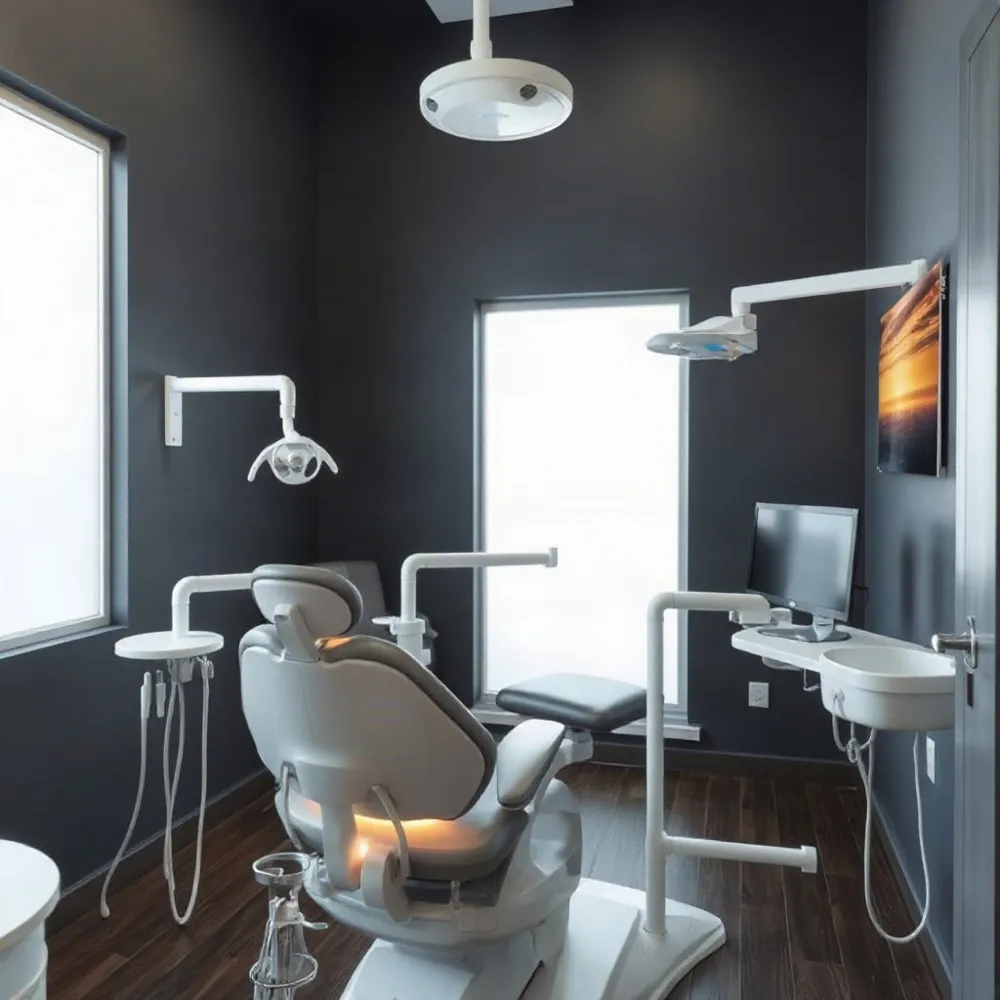
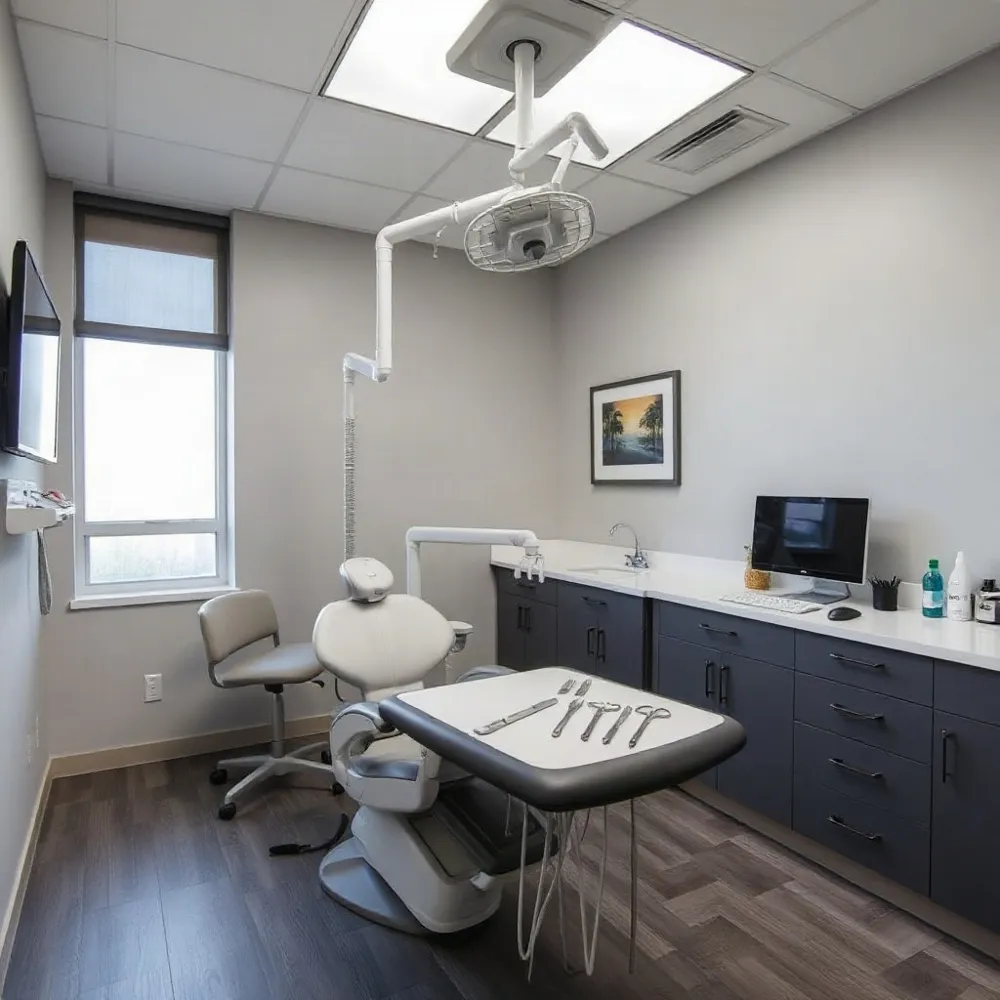
A comprehensive dental exam is a detailed review of your oral health, not simply a quick look at your teeth. It helps the dentist assess concerns and decide what care, if any, may be appropriate. The exact steps can vary with your history, symptoms, and needs.
The visit may begin with a discussion of changes in your health or any discomfort you have noticed. The dentist can then focus the assessment on relevant areas and explain findings in terms that support shared decisions about next steps. At Tigani Family Dentistry, care spans preventive, restorative, and other dental services, so recommendations can reflect the needs discussed during your visit.
A comprehensive evaluation is distinct from a routine periodic evaluation for an established patient. The American Dental Association describes when each CDT code may apply, including a comprehensive evaluation for a new patient or after a significant health change. These billing distinctions do not prescribe a single clinical checklist for every patient. ADA guidance on dental evaluation codes
From Health History to Oral Assessment
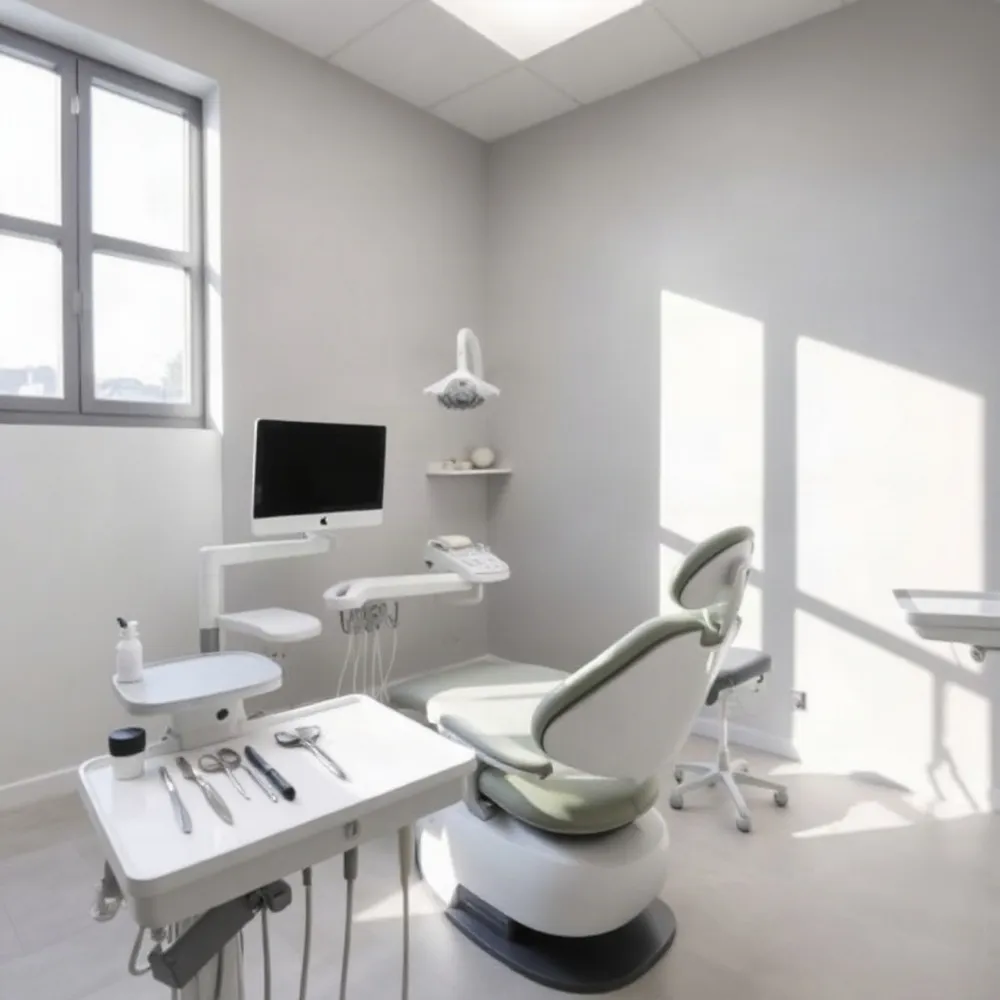 A comprehensive exam begins with context, not just an inspection. Your dentist reviews your medical and dental history, asks about changes since your last evaluation, and invites you to describe any concerns, such as sensitivity, discomfort, or a change in your bite.
The dentist then checks the teeth, gums, bite, and other oral tissues. They may look for cavities, gum inflammation, worn or damaged teeth, problems with existing fillings or crowns, and changes that could need follow-up. At Tigani Family Dentistry, the team provides comprehensive care in a family-focused setting, so findings can be considered alongside your broader dental needs.
The assessment can extend beyond the teeth. A dentist may examine the face, neck, lips, and soft tissues inside the mouth, including the cheeks, tongue, and palate, for areas that warrant closer attention. The exact scope depends on your history and what the dentist observes.
X-rays or other images may be recommended when they can help assess areas that cannot be seen directly, such as between teeth or beneath the gumline. Imaging is not automatically needed at every appointment. The dentist considers your clinical needs and existing information before recommending it.
During the visit, findings are recorded in your dental chart. The dentist can use that record to explain what appears healthy, what has changed, and whether any follow-up is appropriate. The American Dental Association distinguishes a comprehensive oral evaluation from a periodic evaluation for established patients, as described in its overview of CDT evaluation codes.
You can ask questions as the dentist discusses the results and options. Recommendations may include preventive steps, monitoring an area, or planning treatment, depending on the findings. At Tigani Family Dentistry, an in-house lab supports the practice’s restorative services, while the dentist can explain which options fit your individual needs.
Different Exams Answer Different Needs
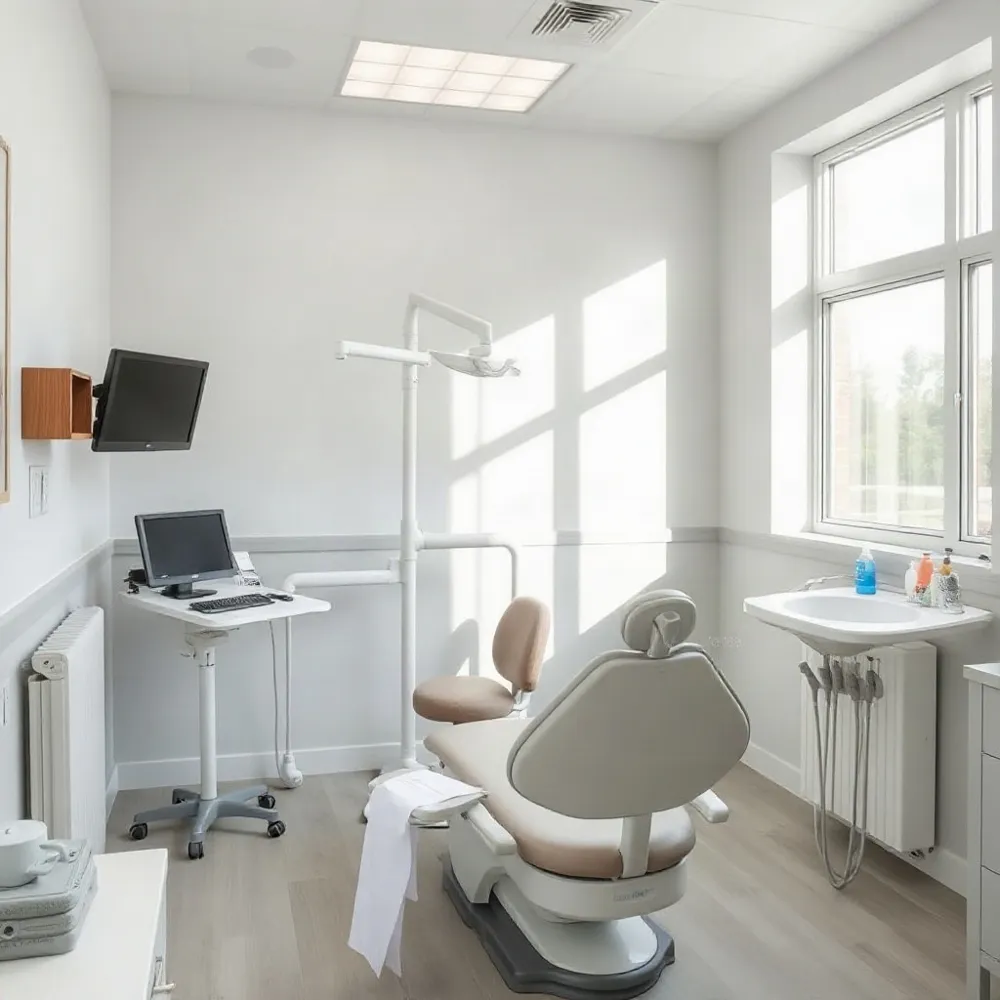 The type of dental exam depends on your history and what needs attention. At Tigani Family Dentistry, a family-focused practice offering comprehensive care, the dentist can consider your health background and current concern when deciding what evaluation is appropriate.
A comprehensive oral evaluation may be used for a new patient, an established patient with a significant change in health, or someone returning after three or more years away from active treatment. The American Dental Association distinguishes this service, CDT code D0150, from a periodic oral evaluation, D0120, which checks an established patient for changes since an earlier comprehensive or periodic evaluation. The ADA’s overview of these codes explains the difference.
A comprehensive periodontal evaluation, D0180, is intended for new or returning patients with signs or symptoms of periodontal disease. A dentist may also focus an exam on a specific issue, such as pain, swelling, or a chipped tooth. For young children, an age-appropriate assessment can include guidance for a caregiver.
These CDT codes describe billing and service categories, not a clinical checklist or a required sequence of exam steps. The dentist’s assessment is shaped by the patient’s needs and findings. Tigani Family Dentistry’s broad range of preventive and restorative services supports care planning around those findings, rather than treating every visit as the same kind of exam.
How Exams Differ From Cleanings
An exam assesses oral health; a cleaning removes buildup from the teeth. During an exam, the dentist looks for concerns such as decay, gum changes, or damage to existing dental work, then discusses whether further evaluation or care may be needed.
A cleaning focuses on plaque and hardened tartar. Brushing and flossing help control plaque, but they cannot remove tartar once it has formed. A dental professional can remove it with instruments, then polish the teeth to clear some surface debris and stains.
The services are often scheduled together, but one does not automatically include the other. The visit can vary with a patient’s needs and exam findings. At Tigani Family Dentistry, comprehensive care includes preventive services as well as restorative treatment, so findings can inform a discussion about appropriate next steps.
Exams and cleanings support prevention in different ways. An exam may identify changes early, while a cleaning removes buildup that can contribute to oral health problems. Ask the dentist which services are planned and how often to schedule them based on your oral health.
Timing Visits and Considering X-Rays
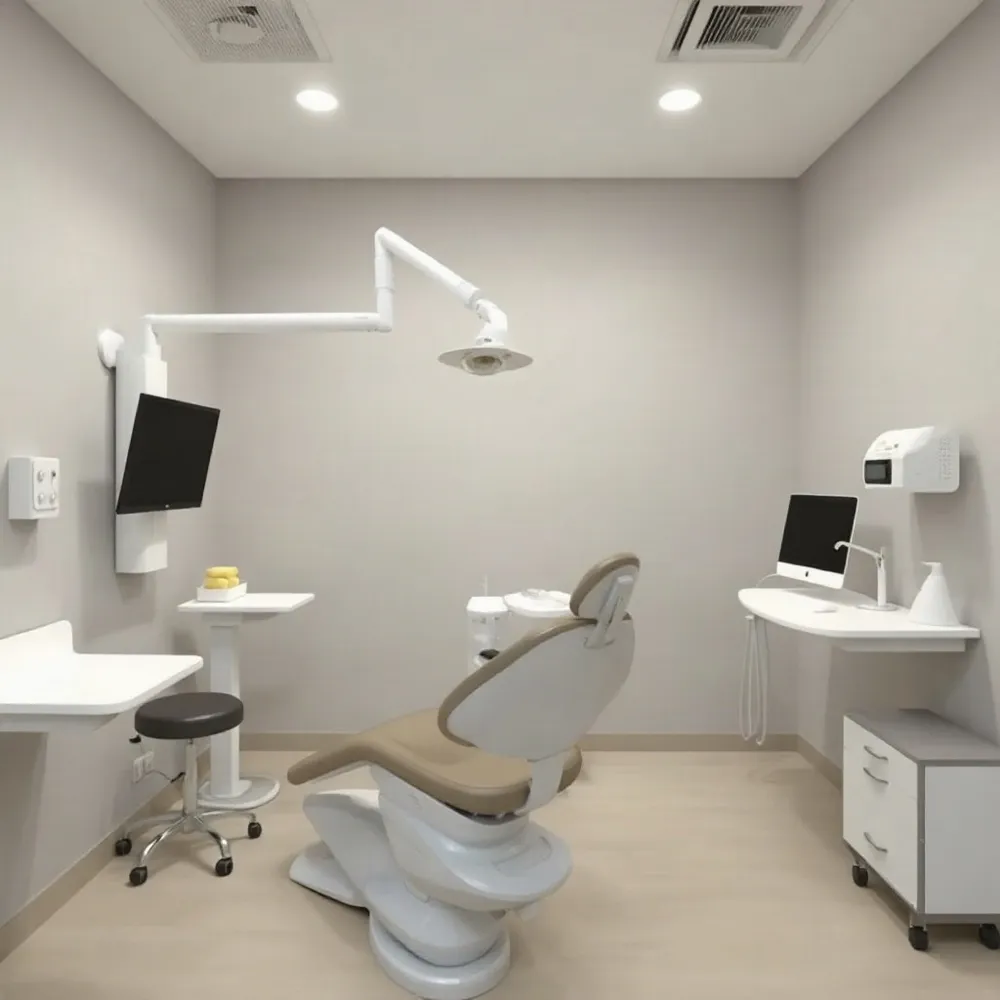 Many people have dental exams and professional cleanings about every six months, but that interval is a common starting point, not a rule for everyone. Your dentist may suggest more frequent visits if you have ongoing dental concerns or a higher risk of cavities or gum disease. People with consistently healthy teeth and gums may need a different schedule.
Ask your dentist how often you should return and what factors inform that recommendation. At Tigani Family Dentistry, the care team can consider your oral health and personal history when discussing a schedule, rather than applying one interval to every patient.
X-rays are not automatically needed at every appointment. A dentist may recommend imaging to investigate a concern that cannot be assessed by looking alone or to help plan treatment. The decision can depend on dental and medical history, symptoms, age, and risk of decay or other problems. If an X-ray is suggested, ask what it is intended to show and how the result may affect your care.
Insurance coverage does not necessarily follow the schedule your dentist recommends. Frequency limits differ by plan and procedure, so confirm your specific benefits with your insurer or dental office before assuming an exam or image will be covered. Tigani Family Dentistry accepts most PPO insurance, and patients can ask the office to help clarify plan details.
Planning for Checkup Costs
Without insurance, a routine dental checkup and cleaning typically costs about $75 to $200, though fees vary by location and office. Treat this as a general estimate, not a quote for a particular practice.
The total may rise if the visit includes X-rays, a more detailed examination, or treatment such as a filling. Before booking, ask for an itemized estimate that separates the exam, cleaning, imaging, and any proposed treatment so you can see what each part may cost.
Tigani Family Dentistry can confirm its current self-pay fees and discuss available payment options. If you have insurance, check your plan’s benefits as well, since coverage and limits vary.
Regular visits give a dentist the chance to identify concerns while they may be easier to address. Early detection does not guarantee a lower bill, but discussing findings and recommended next steps can help you plan care before problems progress.
Leave With a Clear Next Step
A useful dental exam should leave you with a clearer picture of your oral health, not unanswered questions. The dentist can explain what was found, which concerns need attention, and whether follow-up care is recommended. At Tigani Family Dentistry, the in-house lab supports restorative care, while the family-owned practice offers a range of services to address different needs.
Before you leave, mention any discomfort or changes you have noticed, and ask why a particular image or treatment is being recommended. You can also ask which findings need prompt attention and which can be monitored. A comprehensive evaluation is distinct from a routine periodic visit, and the ADA’s CDT code guidance explains how those visit types differ.
Discuss a follow-up schedule that reflects your oral health and circumstances rather than assuming one interval suits everyone. Tigani Family Dentistry accepts most PPO insurance plans, so patients can also ask the office to help clarify how recommended care may fit their coverage.