A Break Deserves Attention
A broken tooth can look like a small chip, yet the damage may extend farther than the visible surface suggests. Some cracks cause little or no pain, while others bring sharp discomfort when biting or sensitivity to hot and cold. Symptoms alone cannot show how deeply a tooth is affected.
Restorative dentistry repairs or replaces damaged, decayed, or missing teeth to support oral health and everyday functions such as chewing and speaking. A family dentist can assess a damaged tooth and discuss whether it needs treatment, from a modest repair to a more extensive restoration. Cleveland Clinic’s overview of restorative dentistry describes common options and why the choice depends on the tooth’s condition.
At Tigani Family Dentistry, a family-owned Wilmington practice offering restorative care, an examination helps establish what is happening before a treatment plan is recommended. The right response depends on the individual tooth and the patient’s oral health needs. The American Association of Endodontists advises prompt evaluation of a suspected crack, since damage can worsen without appropriate care.
First Steps After a Break
 A break can need attention even when it does not hurt. Contact a dentist promptly: cracks cannot heal on their own and may worsen or let bacteria reach the tooth’s pulp. The American Association of Endodontists advises early evaluation because untreated cracks can progress.
What should you do if part of a tooth breaks off?
Rinse gently with warm water and avoid chewing on the affected side. If a fragment has come off, keep it in milk or saliva and bring it with you; a dentist may be able to reattach it, as the NHS guidance on broken teeth explains. Cover a sharp edge with dental wax or sugar-free gum. For discomfort, apply a cold compress to the outside of your cheek and take an over-the-counter pain reliever according to its directions. If there is bleeding, press clean gauze gently against the area.
Is a broken or cracked tooth an emergency?
A small chip without significant pain may not need emergency-room care, but still contact a dentist promptly. Seek same-day dental attention for a badly cracked tooth, severe or worsening pain, persistent bleeding, swelling, or a knocked-out tooth. Go to an emergency room for a serious facial injury or bleeding that will not stop. Trouble breathing or swallowing also calls for urgent help.
For guidance and an appointment, contact Tigani Family Dentistry. As a family-owned practice in Wilmington, the office provides comprehensive dental care, including restorative treatment.
How Dentists Judge the Damage
 Whether a tooth can be repaired depends on where the crack runs, how much healthy structure remains, and whether damage has reached the pulp, the soft tissue inside the tooth. Many fractures can be restored, but a crack extending below the gum line or damage too extensive to repair may make extraction a consideration.
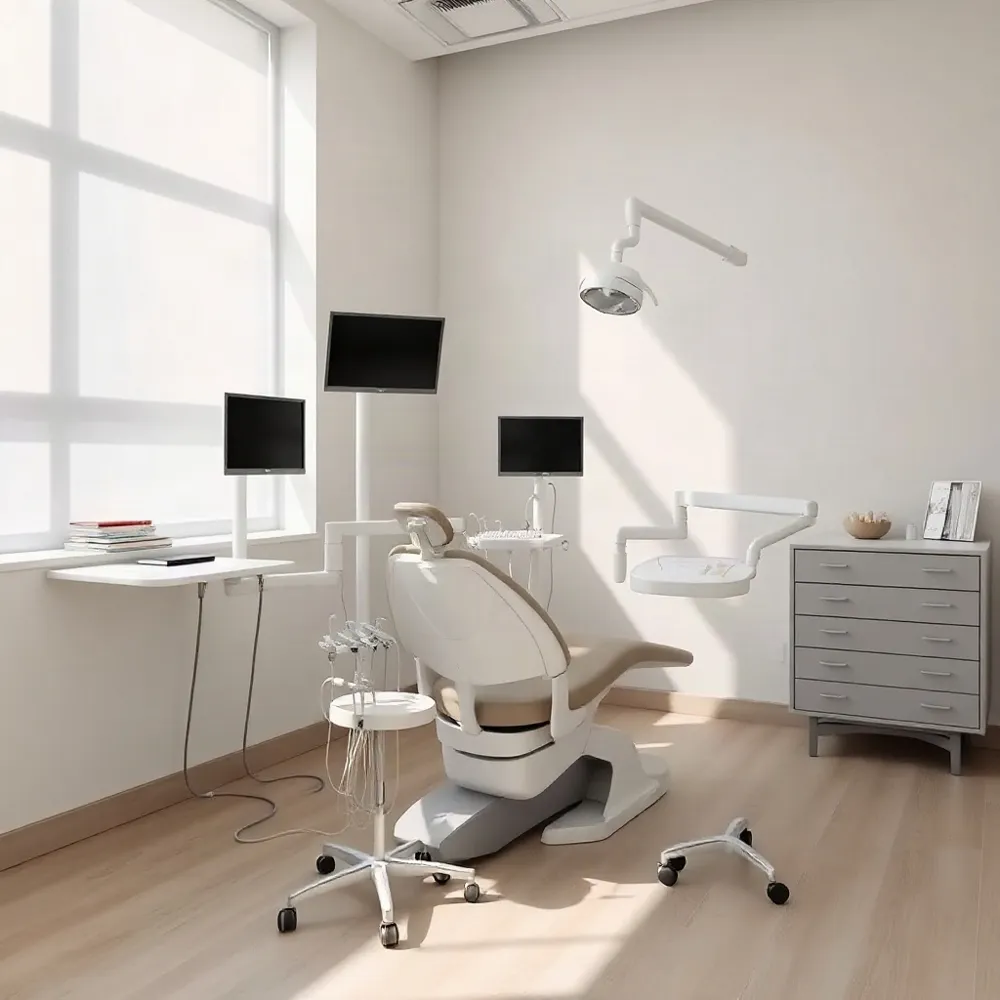
At Tigani Family Dentistry, a family-owned practice offering restorative care in Wilmington, an evaluation can include questions about pain or sensitivity, an examination of the tooth and gums, and tests of how the tooth responds to biting. Depending on what the dentist finds, dental X-rays and other diagnostic methods may help assess the injury.
Symptoms offer clues, not a treatment decision. A crack may cause pain when biting or sensitivity to hot and cold, yet some cracks have few or no noticeable symptoms. The American Association of Endodontists’ guidance on cracked teeth notes that symptoms can come and go, so a lack of pain does not rule out damage.
A small area of damage may need a filling, while a weakened tooth may need a crown. If the pulp is affected, root canal treatment followed by a crown may help preserve the tooth. The dentist’s findings, rather than symptoms alone, guide the recommendation.
Do not wait for pain before arranging an assessment. Early evaluation may help limit further damage, and keeping food pressure off the tooth while you wait can reduce stress on it. Avoid chewing on that side and choose softer foods until a dentist has assessed the break.
Restorations From Fillings to Crowns
 Restorative dentistry repairs or replaces teeth affected by decay, damage, or tooth loss. The aim is to support oral health and restore functions such as chewing and speaking. At Tigani Family Dentistry, restorative care is part of a broader range of family dental services, with recommendations tailored to the condition of each tooth.
For limited damage, a filling can repair the affected area when enough healthy tooth structure remains to support it. Tooth-colored filling materials can also blend with the surrounding tooth. When damage is too extensive for a filling but does not call for full coverage, a dentist may consider an inlay or onlay. An inlay fills the area between the cusps, while an onlay covers at least one cusp. These custom restorations are bonded to the tooth.
A crown, sometimes called a cap, covers the entire tooth and can restore strength, chewing function, and appearance. Placing one generally requires removing some enamel and shaping the natural tooth so the crown can fit. The appropriate option depends on the tooth’s condition and the patient’s needs, as described in the Cleveland Clinic’s overview of dental restorations.
If a crack reaches the pulp, the soft tissue inside the tooth, and diseased tissue or infection is present, root canal therapy may be needed. The dentist removes the affected pulp, cleans and disinfects the inside of the tooth, fills the canals, and seals it. In most cases, a crown follows to add strength and support. Tigani Family Dentistry’s in-house lab is part of its restorative care setting, while the specific treatment and restoration depend on an examination.
Restorative dentistry can also replace missing teeth with options such as bridges, implants, or dentures. The dentist considers oral health, the condition of nearby teeth, and the patient’s needs when discussing whether replacement is appropriate. The Cleveland Clinic notes that restorative treatment can address missing teeth as well as damaged ones.
Choices for a Front Tooth
For a small chip, tooth-colored bonding may rebuild the missing area while preserving much of the natural tooth. A veneer, a thin shell fitted to the front surface, may suit selected cosmetic damage when the tooth has enough healthy structure to support it. The right choice depends on the fracture and the tooth’s condition, as the Cleveland Clinic explains.
If a front tooth is extensively weakened, a crown may cover and protect the remaining structure. When damage reaches the pulp, root canal treatment may be needed before restoration; a crown is usually added afterward for support. At Tigani Family Dentistry, the treatment plan is based on an examination, with restorative care offered as part of its comprehensive family dentistry.
Sometimes a fracture is too severe to repair. In that case, extraction may be considered, followed by replacement with a bridge or dental implant. A dentist can explain whether either option is suitable for the tooth and surrounding oral health.
The cost of front-tooth treatment depends on the extent of damage, the restoration material, and whether imaging, root canal therapy, or follow-up care is needed. Shade matching and appearance may also shape the choice of restoration. Insurance coverage varies, so an examination and individualized estimate can clarify the available treatments and expected costs.
When a Root Canal Treated Tooth Breaks
A tooth can break after root canal therapy, including before a crown is placed. In most cases, a crown is needed after treatment to add strength and support, particularly when much of the natural tooth has already been lost. A break during this period deserves prompt assessment, even if it causes little pain. Cleveland Clinic explains why crowns often follow root canal therapy.
Until a dentist can examine it, avoid chewing on that side and choose soft foods. Keep any broken pieces and bring them to the appointment; a dentist may be able to reattach a fragment in some cases, according to NHS guidance for a broken or chipped tooth.
The repair depends on what the examination shows. A small chip may be managed with a filling or bonding, while a larger break may need a crown or another restoration. If the fracture extends too far below the gumline or leaves too little sound tooth to support repair, the dentist may discuss extraction. At Tigani Family Dentistry, restorative care is part of the comprehensive services offered at its family-owned Wilmington practice.
What are the symptoms of a cracked tooth that has had a root canal?
Pressure or pain when biting or chewing, discomfort that comes and goes, or tenderness and swelling in nearby gums can occur with a crack. Some cracks cause few or no symptoms, so feeling little discomfort does not rule one out. These signs alone cannot confirm a crack or reinfection. Contact a dentist promptly if you suspect damage; fever, facial swelling, or rapidly worsening pain calls for urgent attention.
Costs and Care After Treatment
How much does restorative dental treatment cost? The total depends on the condition being treated, the procedures and materials required, and how many teeth need care. Fillings are generally less costly than crowns, bridges, root canals, or implants, but a broad price range cannot predict an individual bill. The treatment plan, location, and insurance benefits all affect the final fee.
Dental insurance may cover some medically necessary restorative care, subject to the plan’s limits and rules. Tigani Family Dentistry accepts most PPO insurance plans and can prepare an individualized estimate after an examination and review of benefits.
Recovery varies with the procedure and the number of teeth treated. After a single filling, many people can return to normal activities right away; more extensive treatment may require recovery time. The Cleveland Clinic’s guide to restorative dentistry describes temporary sensitivity or general discomfort as the most common risk. Infection and allergic reactions to metals are rare, while crowns can sometimes chip or loosen.
Contact your dentist if a restoration feels wrong or causes a bad taste. Regular check-ups and cleanings, along with brushing and flossing at home, help support oral health and allow your dentist to monitor the restoration.
A Personalized Plan Starts With an Exam
A broken tooth may need a filling or bonding, a crown, root canal therapy, or replacement if it cannot be saved. The right option depends on the crack and the tooth’s condition, so no single treatment fits every fracture. Restorative treatment options address different levels of damage.
Schedule a dental evaluation promptly to clarify the damage and discuss the benefits and risks of possible care. At Tigani Family Dentistry, a family-owned Wilmington practice offering restorative dentistry, the exam can help shape a plan around your oral health needs and goals.