A Crown in One Visit
A same-day crown may restore a damaged or weakened tooth in a single appointment, combining digital imaging, crown fabrication, and placement when the case and office capabilities allow. The approach can avoid a temporary crown and a separate placement visit, but it is not suitable for every tooth or patient. A dentist must assess the tooth and discuss whether this option fits its condition and your needs.
This guide follows the appointment from the initial assessment through crown placement and aftercare, and explains how same-day treatment may differ from a laboratory-made crown. Tigani Family Dentistry has an in-house lab and provides personalized restorative care, but that does not establish availability of a particular same-day system. Ask your dentist which approaches and materials are appropriate for your tooth. Learn more about CEREC crowns.
What a Same-Day Crown Involves
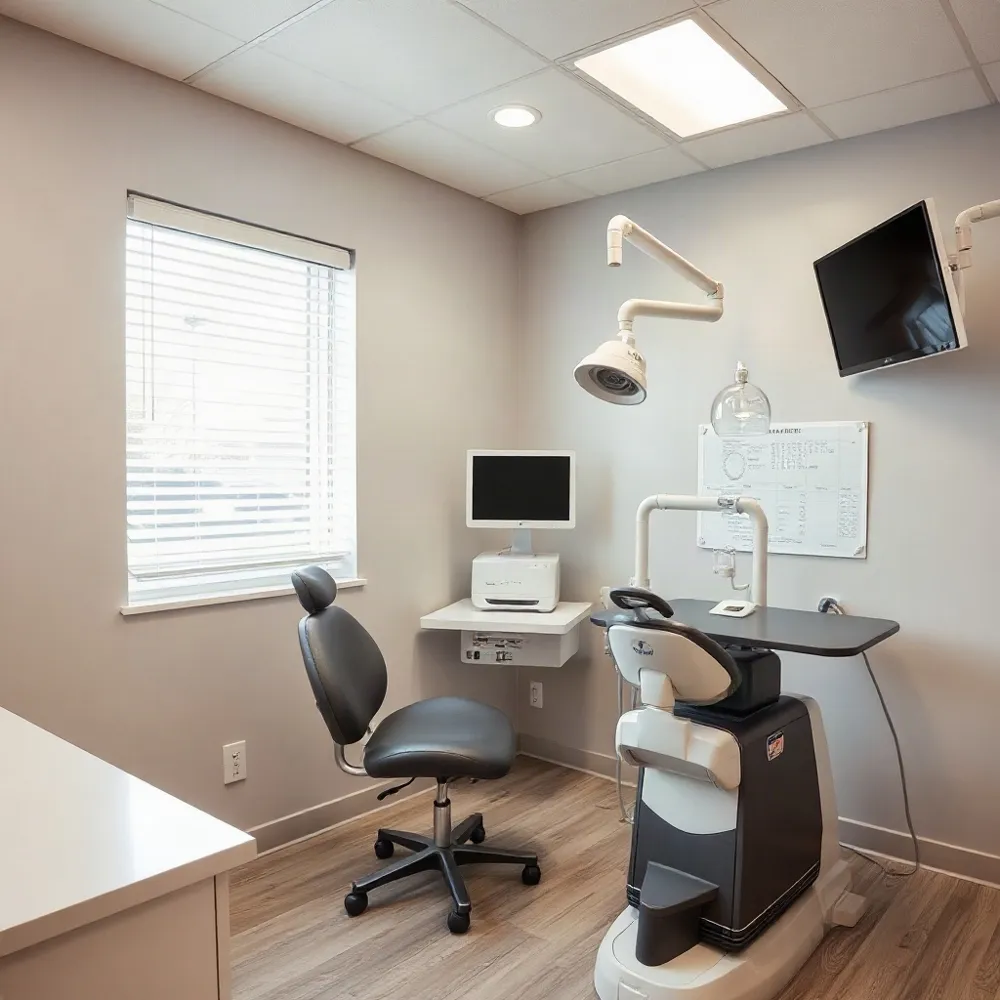 A dental crown is a custom cap that covers a tooth to restore its shape or protect it from further damage. A dentist may recommend one for a tooth affected by decay, a crack, wear, or a large filling, or after root canal treatment. Crowns can also restore broken teeth and help protect weakened tooth structure, as described in Healthline’s overview of CEREC crowns.
A same-day crown is designed, made, and placed during one visit. In a common digital workflow, an intraoral scanner captures a three-dimensional image of the prepared tooth. Design software shapes the crown to fit, then an in-office milling unit carves it from a material such as ceramic. CEREC is one system used for this type of computer-assisted process, not a name for every same-day crown.
The dentist checks the finished crown’s fit and appearance, adjusts it if needed, and bonds it in place. When the case is suitable, completing these steps in one visit can avoid a temporary crown and a separate placement appointment. An examination is still needed to determine whether a crown, and this workflow in particular, fits the tooth’s condition and the patient’s needs.
Tigani Family Dentistry has an in-house lab, but that fact alone does not establish which equipment or same-day crown services the practice offers. Patients can ask the dental team what options are available for their specific tooth.
The Appointment From Start to Finish
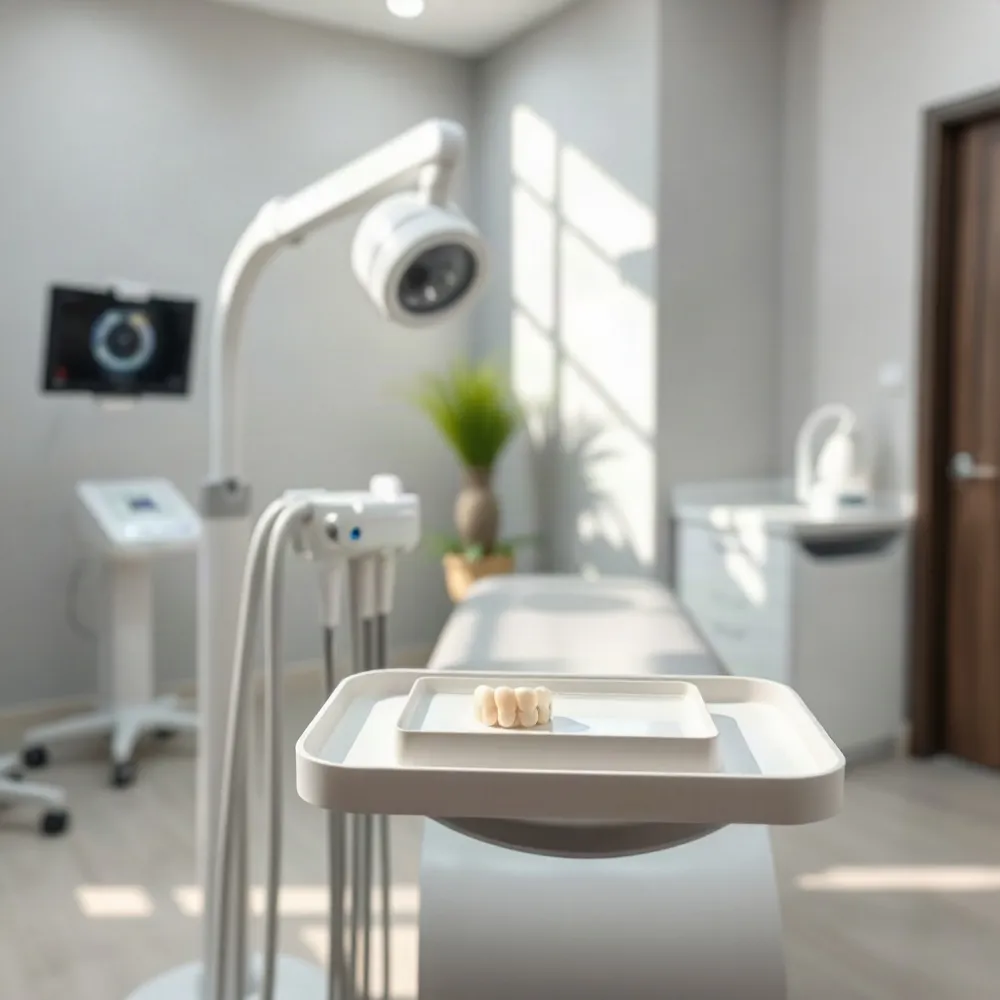 A one-visit crown may be possible when the tooth’s condition and the office’s equipment allow it. The appointment usually begins with an examination and, when needed, X-rays. The dentist numbs the area, removes decay if present, and shapes the tooth to make room for the crown. During preparation, you may feel pressure or vibration. Tell the dentist if you feel pain while numb.
Next, a digital scan captures the prepared tooth and nearby teeth. This replaces the putty impression used in many traditional workflows. The dentist uses the scan to design the crown, then an in-office machine mills it from a ceramic block. Healthline’s 2020 overview describes this workflow and notes that milling takes about 15 minutes, a portion of the appointment rather than its full length (CEREC crown process).
A complete same-day visit may take around 1.5 to 2.5 hours, depending on the tooth, case complexity, and whether additional treatment is needed. After fabrication, the dentist checks the crown’s fit, appearance, and bite, makes adjustments if needed, and bonds it in place. Traditional treatment generally includes a separate visit to fit the permanent crown after a laboratory has made it.
Tigani Family Dentistry has an in-house lab, but that fact alone does not establish that same-day crown scanning or milling is available. Ask the dental team which workflow and materials are appropriate for your tooth, how long your appointment is expected to take, and what to expect during recovery.
Materials and Traditional Alternatives
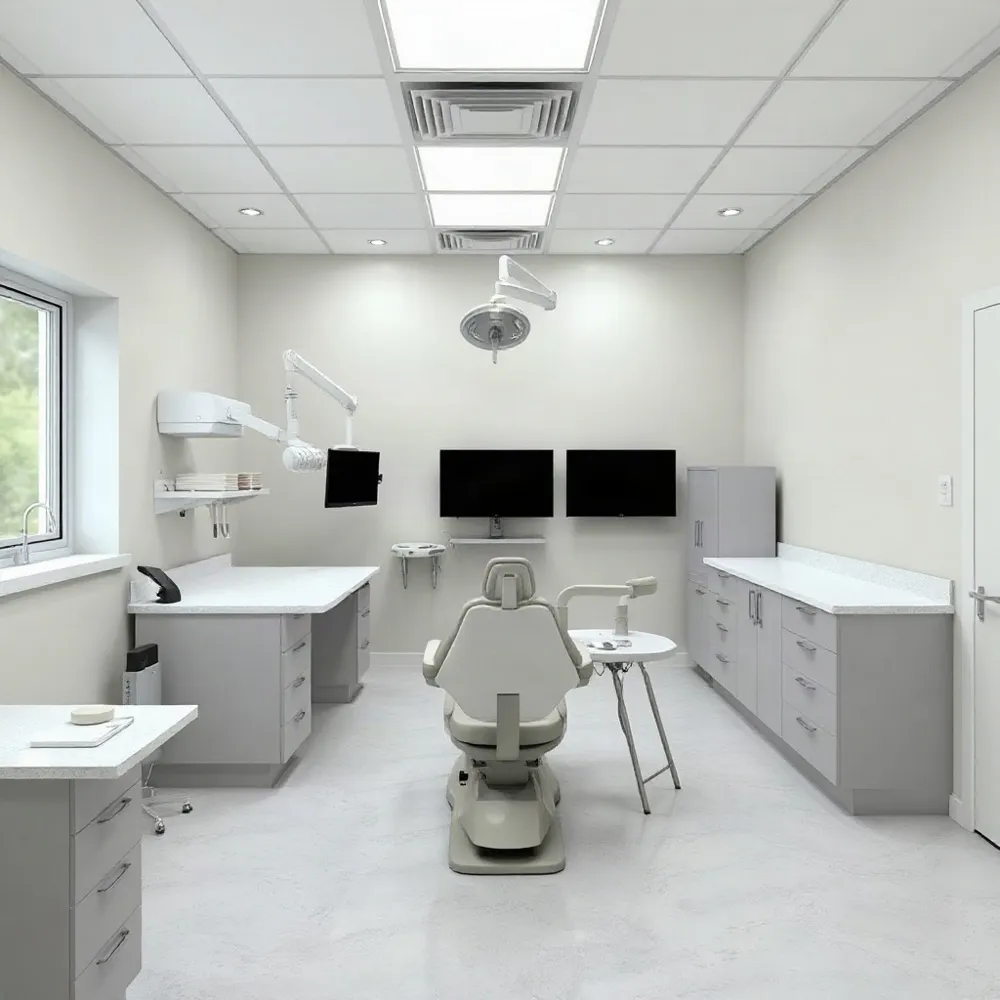 Same-day crowns are commonly milled from ceramic, with some systems also able to use zirconia. Ceramic can offer a tooth-colored appearance, and some types allow light to pass through in a way that resembles natural teeth. Zirconia is often considered when strength is a priority. Neither material is best for every tooth: the right choice depends on its location, bite forces, appearance goals, and the options available.
A same-day crown is designed from digital records and made at the dental office, which can allow preparation and placement in one visit when the case is suitable. A traditional crown is usually made by a dental laboratory. That process commonly involves a preparation visit, a temporary crown while the permanent one is being made, and a later appointment for placement. CEREC crowns are one example of a digitally designed and milled ceramic restoration, though availability and suitability vary by office and patient.
Laboratory-made crowns may offer additional material choices or allow more detailed customization in some cases. Tigani Family Dentistry has an in-house lab, but the practice’s specific crown materials and same-day options should be confirmed directly rather than assumed. Both a same-day and a laboratory-made crown can restore a tooth when the dentist selects an appropriate material and checks the fit.
The decision should account for the tooth’s condition, bite, desired appearance, and treatment priorities. Ask the dentist which materials are available for your case, why one is recommended, and what your insurance may cover; costs and benefits vary by individual plan.
Who May Be a Candidate
A same-day crown may be considered for a tooth weakened by decay, a crack, a chip, wear, or a large filling that is failing. It may also be used after a root canal if enough of the tooth’s outer structure has been lost to make it vulnerable to cracking under chewing pressure. A crown covers and protects a weakened tooth, but whether it is needed depends on the tooth’s location and remaining healthy structure. CEREC crown treatment is one same-day option, but an examination is needed to assess each case.
The dentist considers how much sound tooth structure remains, where and how extensively the tooth is damaged, and whether the crown’s edges can be placed securely. Bite forces matter too: a back tooth under heavy pressure or a patient who grinds their teeth may need a different material or design. Appearance goals also affect the decision, especially for a visible tooth where detailed color and shape matching may be important.
A traditional laboratory-made crown or another treatment may suit complex damage, a fracture extending below the gumline, heavy grinding, or a case that calls for extensive cosmetic detailing. A milled crown may not allow the same layered customization as some laboratory-made restorations, and ceramic can chip or fracture. Tigani Family Dentistry has an in-house lab, though that alone does not establish which crown methods or materials are available for a particular case. The dentist can discuss those options after examining the tooth.
Neither same-day nor laboratory-made crowns are the right choice for every patient. The decision depends on the tooth’s condition, the demands of the bite, material needs, and the desired appearance.
Longevity, Care, and Eating
A same-day crown can last many years, but no lifespan is guaranteed. Its durability depends on the underlying tooth, the crown’s fit and material, bite forces, oral hygiene, and habits such as grinding or clenching. Ceramic crowns are designed for strength, but they can still wear or break; Healthline’s overview of CEREC crowns notes that durability varies and should not be treated as a promise.
Brush and floss daily, including around the crown, and keep up with regular dental checkups. Avoid chewing ice or other hard objects, and do not use your teeth to open packaging. If you grind or clench, ask your dentist whether a nightguard may help protect the restoration. Tigani Family Dentistry offers comprehensive dental care, so patients can discuss crown care as part of their ongoing oral-health visits.
Wait until numbness wears off before eating to avoid biting your cheek or tongue. Follow your dentist’s instructions about when the cement has set and whether to avoid chewing on the crown for a period. If the area feels tender, start with softer foods and avoid very hard, sticky, or chewy foods while adjusting. Take extra care with a temporary crown, which may be more vulnerable to damage or coming loose.
Contact your dentist if discomfort or sensitivity persists, your bite feels uneven, or the crown becomes loose, chipped, or cracked. Tigani Family Dentistry’s family-focused approach includes personalized care, so report changes rather than trying to adjust the crown yourself.
Costs and Questions to Ask
How much does a dental crown cost, and what factors affect the price? There is no dependable price to quote without an examination and an estimate from the dental office. The cost may depend on the crown material, the tooth’s location and condition, any additional treatment, and the practice’s fees. Insurance coverage and your share of the cost vary by plan.
Tigani Family Dentistry accepts most PPO insurance plans, but benefits differ, so ask the office for an individualized estimate and verify your coverage and expected out-of-pocket costs with your insurer before treatment.
Before deciding, ask which materials and crown-making workflows are available, whether a same-day option suits your tooth, and what care the finished crown will need. The Healthline overview of CEREC crowns notes that availability, suitability, and cost can vary; a dental examination helps clarify which choices fit your needs.
A Personalized Treatment Decision
A one-visit crown may reduce appointments and avoid a temporary restoration, but convenience alone does not determine the best treatment. The tooth’s condition, location, material needs, and bite all matter, and the dentist must assess whether this approach is suitable.
Before deciding, ask about the recommended material, expected timeline, total cost and insurance coverage, and how to care for the crown. Tigani Family Dentistry has an in-house lab and provides personalized care, but ask the team directly which crown options and workflows are available for your case. CEREC crowns are one example of a same-day approach, not a fit for every tooth.