
The Quiet Start of Tooth Decay
Tooth decay can begin quietly. A cavity may develop before it hurts or leaves an obvious mark, so teeth that feel normal do not rule out a problem. Early cavities may have no noticeable symptoms, which is one reason routine dental care matters.
This article explains how decay progresses, which changes may be worth noticing, how dentists assess suspected cavities, and when to arrange care. Sensitivity, spots, or a visible pit can suggest decay, but none confirms it; other issues can cause similar signs. At Tigani Family Dentistry, a family-owned Wilmington practice, a dental professional can assess concerns and recommend care based on the examination.
How Decay Begins and Progresses
 A cavity is a damaged area of a tooth that develops into an opening or hole as decay breaks down enamel, the hard outer surface. Plaque, a sticky film containing bacteria, forms on teeth. When bacteria feed on sugars and starches, they produce acids that weaken enamel.
Frequent sugary snacks and drinks, inadequate brushing and flossing, limited fluoride, and dry mouth can increase the chance of decay. Grooves on back teeth can also trap food and be harder to clean. At Tigani Family Dentistry, personalized care can take a patient’s habits and oral health into account when discussing prevention.
Decay often begins with mineral loss beneath the enamel. It may show as a white, chalky spot, though early damage can be painless and hidden from view. As enamel breaks down, decay can reach dentin, the softer layer underneath, and then the pulp, which contains nerves and blood vessels. Without treatment, deeper decay may lead to infection or an abscess. The Cleveland Clinic’s overview of cavities describes these stages and notes that decay may be difficult to see early on.
In its earliest stage, enamel damage may sometimes be remineralized with fluoride and improved oral hygiene. Once a hole has formed, lost tooth structure does not grow back, so a cavity cannot heal itself. An examination, and sometimes X-rays, can help identify decay that is not visible on the surface. Tigani Family Dentistry provides comprehensive dental care, including preventive services, to help patients assess changes and discuss appropriate next steps.
Subtle Signs Worth Noticing
Early decay can be easy to miss: a cavity may cause no pain or visible change at first, and decay between teeth can be difficult to see. A chalky white spot may appear as enamel loses minerals; as damage advances, an area may turn brown or dark, or develop a small pit or hole. Discoloration can also be staining, so appearance alone cannot confirm a cavity. Cleveland Clinic’s guide to cavities explains that a dental examination is needed to assess suspicious changes.
Sensitivity to hot, cold, or sweet foods and drinks, or discomfort when biting down, can also signal a problem. These symptoms have other possible causes, so they are not a diagnosis. Persistent bad breath or an unpleasant taste may occur with decay, too, but neither is specific to cavities. A dentist can check the tooth and, when appropriate, use X-rays to look for decay that is not visible during an examination.
Before a hole forms, fluoride and consistent oral care may help early enamel changes remineralize. Brushing with fluoride toothpaste, flossing, and limiting frequent sugary snacks and drinks support prevention. Once tooth structure has broken down, it does not grow back; a formed cavity may need restoration, such as a filling. At Tigani Family Dentistry in Wilmington, an examination can help distinguish decay from staining or other causes and guide care based on what the tooth needs.
How Dentists Find Hidden Decay
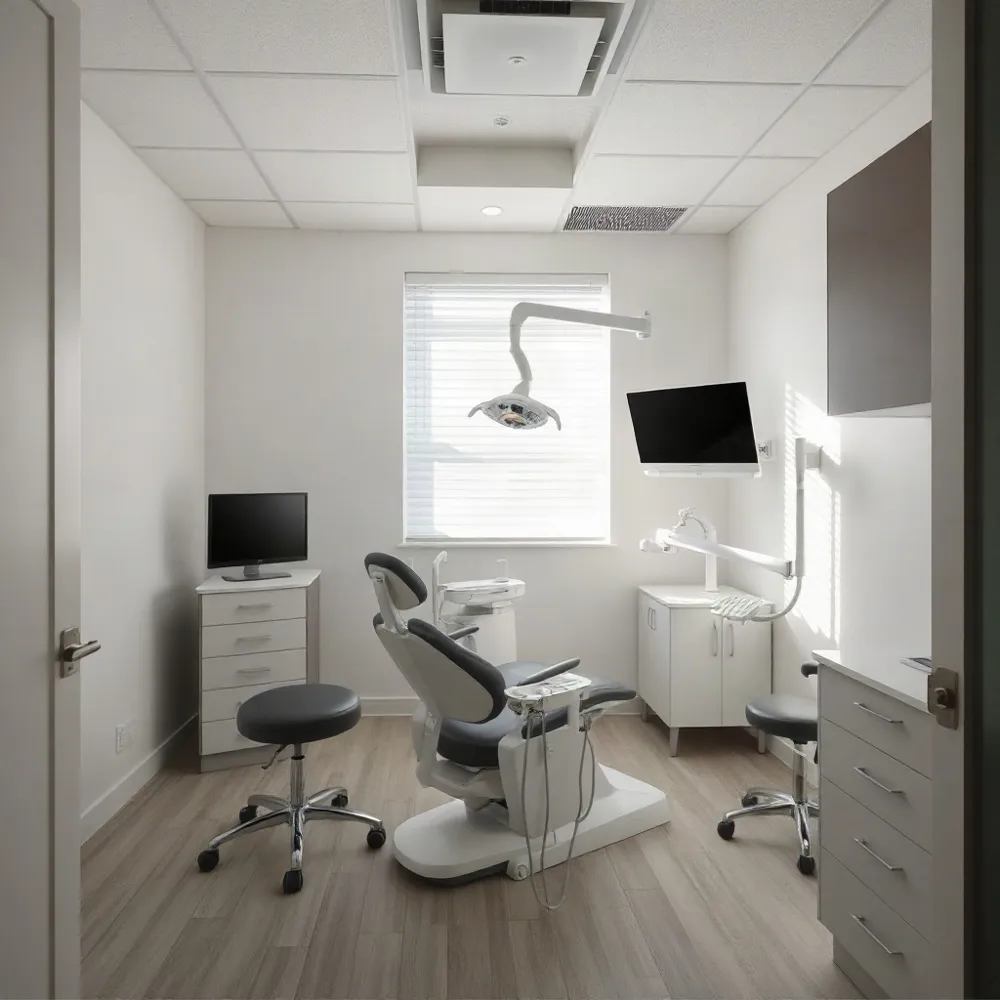 A dentist checks teeth for changes in color, texture, and shape that might indicate decay. A suspicious area may be gently examined with dental instruments to assess whether the tooth surface has softened or broken down. Because stains can resemble decay, a clinical exam helps distinguish the two and judge how far any damage has progressed.
A visual check cannot show every problem. When appropriate, dental X-rays can reveal decay beneath the surface or between teeth, where it may be difficult to see directly. The Mayo Clinic’s cavity diagnosis guidance describes visual examination, checking for soft areas, and reviewing X-rays as parts of a dentist’s assessment.
The dentist also asks about symptoms such as sensitivity, pain when biting, and discomfort with hot, cold, or sweet foods, along with factors that may affect cavity risk. These clues help guide the examination, but pain or sensitivity alone cannot confirm a cavity. At Tigani Family Dentistry, a family-owned Wilmington practice, patients can discuss concerns as part of personalized dental care.
Regular exams and cleanings can uncover decay before it causes noticeable symptoms. Visit frequency depends on a person’s oral health and risk, so a dentist can recommend an appropriate schedule. Keeping up with those visits is useful even when teeth feel normal, since early decay may be painless.
When to Arrange Dental Care
There is no reliable timetable for how quickly decay will progress. Its pace varies with oral hygiene, diet, fluoride exposure, and individual risk, and it can worsen before causing clear symptoms. A normal-feeling tooth does not rule out decay, so do not wait for pain to become severe before seeking an assessment.
Arrange a dental evaluation if you suspect a cavity or notice a new dark spot, a hole, lingering sensitivity, or toothache. These changes can have causes other than decay, but an examination can help identify what is happening and whether treatment is needed. Mayo Clinic advises seeing a dentist for toothache or mouth pain.
As decay reaches the softer dentin beneath enamel, sensitivity may develop; if it progresses to the pulp, which contains nerves and blood vessels, pain can become persistent. Untreated deep decay can also lead to infection or an abscess. At Tigani Family Dentistry in Wilmington, an evaluation can be part of the practice’s comprehensive dental care, with treatment recommendations based on the patient’s needs.
Severe or worsening pain, swelling, or signs of an abscess warrant urgent dental attention. Fever, feeling very unwell, or difficulty swallowing or breathing calls for immediate medical care. These symptoms may signal a spreading infection and should not wait for a routine appointment.
Treatment and Prevention Choices
 The right treatment depends on how far decay has progressed. Professional fluoride may help repair very early enamel damage before a hole forms. Once a cavity has formed, a dentist usually removes the decayed area and places a filling. Mayo Clinic’s cavity treatment guidance explains the options by stage.
A larger cavity or weakened tooth may need a crown. If decay reaches the pulp, the tooth’s inner tissue, root canal treatment may be needed before the tooth is restored. Extraction is considered when the tooth cannot be saved. Earlier assessment can limit damage and may allow less extensive care.
A formed cavity cannot be removed or repaired at home. Fluoride and good oral care may support very early enamel changes, but they cannot rebuild tooth structure after a hole forms. Do not scrape or try to fill a tooth yourself. While arranging care, Tigani Family Dentistry’s family-focused practice can assess the tooth and discuss treatment options in the context of your needs.
Can cavity treatment hurt?
Treatment is usually done with local anesthetic to numb the area. You may feel a brief pinch during the injection, then pressure or vibration rather than sharp pain. Tell the dentist if you feel pain so the numbness can be checked. Mild sensitivity or soreness afterward can occur; contact the office if it is severe, worsening, or not improving.
How can you help prevent tooth decay?
Brush twice daily for two minutes with fluoride toothpaste, clean between teeth every day, and limit frequent sugary foods and drinks. Fluoridated tap water can offer added protection. Regular dental checkups and cleanings help identify changes and allow a dentist to recommend added measures, such as fluoride treatments or sealants, based on individual needs. Children benefit from supervised brushing and age-appropriate guidance. Tigani Family Dentistry provides preventive care as part of its comprehensive services; ask the dental team what routine and added protection suit your household.
Act Before a Small Change Grows
A tooth can have early decay without hurting, and a spot or sensitivity does not confirm a cavity. These changes are reasons to ask a dentist for an assessment, not to diagnose the problem at home. Early cavities may have no noticeable symptoms, so feeling fine is not a reliable way to rule them out.
Arrange a dental visit if you notice a persistent change or discomfort. At Tigani Family Dentistry, a family-owned practice in Wilmington, care is personalized to each patient. Keep up with preventive visits on the schedule your dentist recommends, since your needs may differ from someone else’s.
An assessment can clarify what is happening and guide appropriate next steps. Early evaluation may help address decay before it becomes more extensive, while regular brushing with fluoride toothpaste and daily cleaning between teeth support ongoing prevention.