When Jaw Muscles Stay Tense
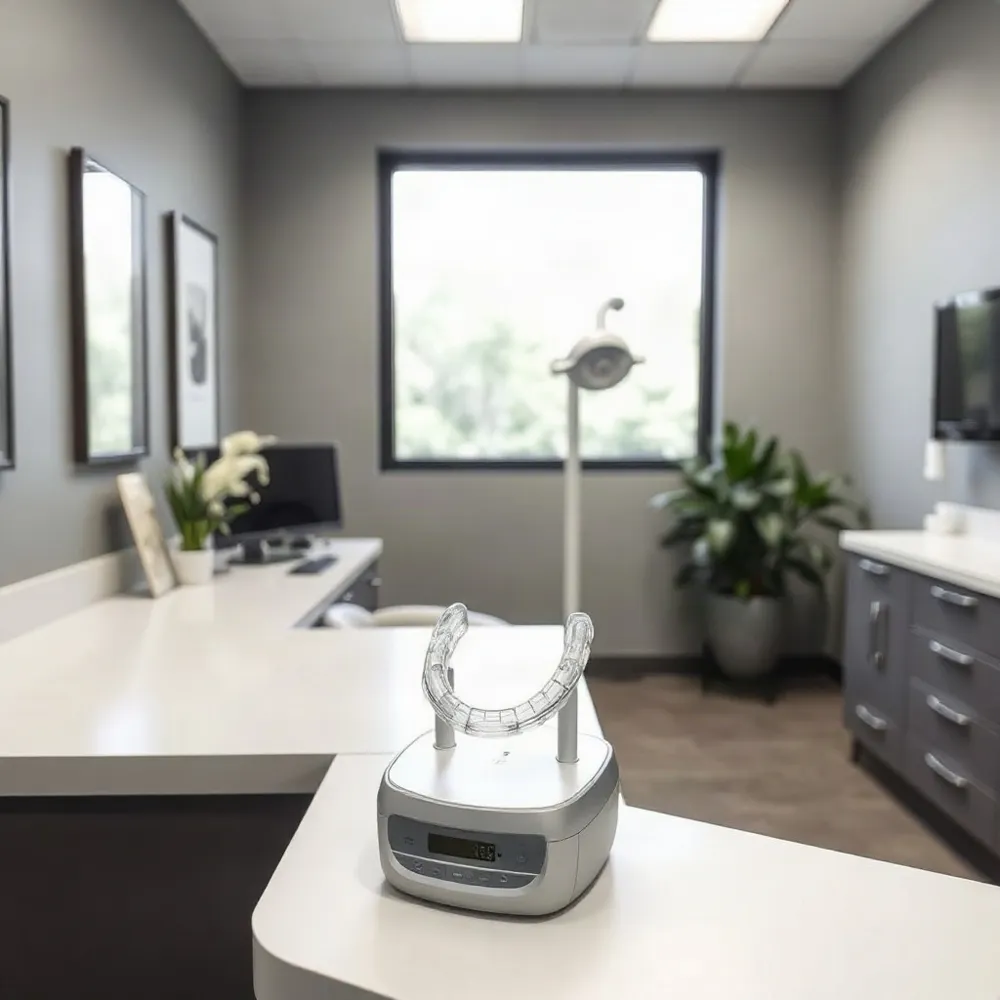
Jaw clenching and teeth grinding can leave the muscles around the jaw sore or tense. Repeated pressure may also contribute to tooth wear or damage to fillings and other dental work. Because clenching can happen during the day or during sleep, some people notice symptoms before they realize what is causing them.
Botox may be considered for some people with persistent, muscle-related jaw symptoms. It temporarily reduces activity in the muscles that receive injections, but it does not address every cause of jaw pain or grinding, and it is not a cure for temporomandibular disorders. Research findings are mixed, so an assessment should guide whether it belongs in an individual care plan. Cleveland Clinic’s overview of Botox for jaw pain describes it as a supplemental option, rather than a stand-alone treatment.
At Tigani Family Dentistry, personalized care is part of the practice’s family-focused approach. A dental assessment can help distinguish muscle tension from other possible sources of discomfort and inform a discussion of suitable options. This article covers potential relief, limits and uncertainties, safety considerations, what to expect, and questions to raise with a provider before deciding whether Botox is appropriate.
How Botox May Ease Jaw Tension
 The masseter is a major jaw-closing muscle, and repeated clenching or grinding can leave it overworked. Botulinum toxin type A temporarily reduces the nerve signals that trigger muscle contraction. For some people, this may ease muscle-related soreness, reduce clenching force, and lower stress on teeth and dental work. The aim is to reduce excessive force, not to prevent normal chewing, speaking, or smiling. Cleveland Clinic’s overview of Botox for jaw pain explains its role as a supplemental treatment.
Some patients may also notice fewer tension headaches or less discomfort from grinding, but relief is not guaranteed. It may become noticeable within one to two weeks and commonly lasts about three to four months, though timing and duration vary. A review of botulinum toxin therapy in dentistry describes its clinical uses, while evidence for jaw conditions remains limited.
Jaw pain can come from muscles, the joint, or other factors. Botox may reduce overactive muscle activity, but it may not resolve joint-related clicking, locking, or other problems. At Tigani Family Dentistry, personalized care and a clinical assessment help inform discussion of whether muscle-focused treatment or another approach may fit the symptoms.
Depending on the assessment, a night guard to protect teeth, jaw exercises, physical therapy, or stress-management strategies may also be considered. Sleep bruxism can be associated with obstructive sleep apnea, and Botox does not treat an airway problem. Loud snoring, witnessed pauses in breathing, morning headaches, unrefreshing sleep, or daytime fatigue may warrant screening or medical evaluation.
Who Might Be a Candidate
Masseter Botox may be considered for adults whose jaw clenching or teeth grinding contributes to muscle tension, discomfort, or prominent masseter muscles. It is a symptom-management option, not a fit based on age or appearance alone.
Results are temporary and vary from person to person. Botox may ease symptoms linked to overactive muscles, but it does not address every cause of jaw pain, such as problems within the joint. Research findings for temporomandibular disorders remain mixed, so a benefit cannot be guaranteed (Cleveland Clinic’s overview of Botox for jaw pain).
A consultation should cover medical history, symptoms, jaw anatomy, treatment goals, and alternatives. At Tigani Family Dentistry, care is personalized, and the practice also offers aesthetic services, including Botox. A clinician can discuss whether injections suit the individual or whether another approach may be more appropriate.
Pregnancy or breastfeeding, certain neuromuscular conditions, allergy to the product, or infection at a proposed injection site may rule out treatment or call for particular caution. Anyone with existing chewing weakness should discuss the possibility of further weakness carefully. Suitability depends on an individualized assessment by a qualified clinician, not on muscle size or appearance alone.
Expected Relief and Facial Changes
 Some people notice changes within a few days, but relief more commonly becomes apparent over about 7 to 14 days. Botox may reduce muscle-related clenching, jaw tension, soreness, and sometimes tension headaches. It may not help pain caused by a jaw-joint problem or another non-muscular source. Evidence for Botox in temporomandibular disorders remains mixed, so results are not assured (Cleveland Clinic’s overview of Botox for jaw pain.
Relaxing enlarged masseter muscles may gradually reduce their bulk and make a prominent or square lower face look softer or slimmer. Visible change may begin around four to six weeks and become clearer over six to twelve weeks, though timing and degree vary. The effect is usually subtle when the muscles are not enlarged, and injections do not change the jaw’s bone structure.
At Tigani Family Dentistry, a family-owned practice in Wilmington, treatment is part of personalized dental care, so patients can discuss both symptom goals and appearance before deciding whether injections suit them. Botox effects generally last a few months as muscle activity gradually returns. Symptoms may come back, and repeated treatment is not a guarantee of lasting resolution. A review of botulinum toxin use in dentistry also describes the treatment as temporary and dependent on the clinical situation (review of Botox therapy in dentistry).
Risks and Uncertainties to Weigh
 Temporary soreness, bruising, or swelling around injection sites can occur, and some people report headache. Because treatment reduces activity in targeted jaw muscles, chewing may feel tiring or weak, particularly with firm foods. A change in muscle function can affect chewing, and weakness in nearby muscles may cause unwanted facial changes. These effects and their likelihood depend on the individual and treatment plan.
Repeated or higher-dose treatment also raises questions about longer-lasting changes in muscle size and possible effects on jawbone density or volume. Animal findings and small human studies have prompted concern, but they do not establish that bone changes will occur in patients or clarify their long-term significance. A small pilot study reported symptom improvements, but its limited size and short follow-up cannot establish lasting safety or effectiveness; its findings are preliminary.
Botox for temporomandibular disorders is an off-label use, meaning it is not specifically approved for that condition, and research findings remain mixed. It may help some muscle-related symptoms, but it is not a cure and may not address joint-related causes. The Cleveland Clinic’s overview also describes it as a supplemental option rather than a guaranteed solution.
At Tigani Family Dentistry, care is described as personalized and comfortable, making an individual discussion of goals and concerns a sensible starting point. Ask a qualified clinician about expected benefits, alternatives, dose, possible effects on chewing, and how response would be monitored. Raise concerns about repeat treatment and longer-term uncertainty before deciding.
The Injection Visit and Aftercare
At Tigani Family Dentistry, Botox is part of a broader range of dental and aesthetic services, with care shaped around each patient’s needs. The visit typically includes a discussion of your symptoms and goals, followed by injections into selected jaw muscles. Each injection may feel like a brief pinch or sting, though discomfort and the number of injection points vary. Ask whether ice or a numbing option is available if you are concerned.
Some pressure or soreness may linger briefly after treatment. Many people return to ordinary activities soon afterward, but follow the treating clinician’s guidance. Aftercare recommendations can vary, so use your provider’s specific instructions if they differ from general precautions.
Common precautions include staying upright for about three to four hours, avoiding pressure on treated areas, and not rubbing or massaging injection sites for 24 hours. Avoid strenuous exercise during the first day. For mild soreness or swelling, a cool compress wrapped in a towel may help; apply it for up to ten minutes at a time.
Contact your provider about severe, worsening, or otherwise concerning symptoms. Do not stop or change prescribed medication for treatment without first consulting the medication’s prescriber. If your clinician gives different advice based on your health or treatment, follow that guidance.
Aftercare recommendations are commonly used, but the evidence behind some restrictions is limited, so individualized instructions matter. The Cleveland Clinic’s guidance on Botox for jaw pain also emphasizes discussing treatment with a qualified provider.
Approval and Insurance Questions
Botox is not FDA-approved specifically to treat temporomandibular disorders (TMD) or teeth grinding. Using it for jaw symptoms is considered off-label, meaning the treatment is prescribed for a purpose not listed in its FDA approval. The Cleveland Clinic’s overview of Botox for TMJ pain notes that evidence for this use is mixed.
Off-label prescribing is legal, but that status does not show that treatment will be suitable or effective for every patient. At Tigani Family Dentistry, care is personalized, so a discussion of your symptoms and goals can help clarify whether jaw injections fit your situation and what alternatives to consider.
Is Botox for TMJ or teeth grinding FDA-approved, and may insurance cover it?
Insurance coverage varies by insurer and plan, and may depend on the diagnosis and documentation supporting medical necessity. Treatment intended only for cosmetic jaw slimming is generally not covered. Before proceeding, ask your insurer and provider whether the service is covered, whether prior authorization is required, what records or medical-necessity documentation are needed, and what you would pay out of pocket.
Dose and Cost Depend on the Plan
People often ask, “How many units of Botox are typically used for jaw clenching, and what affects the cost?” A broad estimate is 20–50 units per masseter muscle, or 40–100 units total for both sides. These figures are not a prescription, and a published review of Botox use in dentistry describes varied clinical approaches rather than one standard dose (review of Botox therapy in dentistry.
A clinician determines the amount based on muscle size and strength, symptom severity, and whether other muscles, such as the temporalis, are included. The estimate should not be treated as a fixed protocol: treatment plans depend on an individual assessment, and dosing decisions belong to the treating clinician.
Cost can depend on the total units used, the provider’s price per unit, location, injector experience, and whether the practice charges per unit or sets a flat session fee. A general U.S. estimate for masseter treatment is about $400–$900 per session, but actual prices vary substantially. Request an individualized quote after consultation, and confirm what the fee includes.
Tigani Family Dentistry offers personalized dental and aesthetic care, but no specific Botox dose, protocol, or price is established here. Any treatment plan and estimate should come from a direct consultation.
Choose Care With Clear Expectations
Jaw Botox may be worth discussing when overactive muscles contribute to clenching, soreness, or pain, but benefit is not guaranteed and relief is temporary. It does not diagnose the cause of jaw symptoms, protect teeth from grinding, or treat conditions such as sleep-disordered breathing. Research findings remain mixed, and Cleveland Clinic’s review of Botox for jaw pain describes it as a supplemental option rather than a cure.
Before deciding, share when symptoms occur, what makes them better or worse, any tooth or restoration damage, your treatment goals, and relevant medical or sleep concerns. Ask about possible benefits, risks, alternatives such as a dental splint, and expected costs. A review of botulinum toxin in dentistry also underscores the need to match treatment to the individual rather than assume one approach fits every patient based on the available research.
At Tigani Family Dentistry, care is personalized and family-focused. A thoughtful discussion can help clarify whether injections belong in a broader plan, alongside dental protection or evaluation of contributing factors.