Understanding the Sharp Pain of Sensitive Teeth
Why Do Teeth Become Sensitive?
 Tooth sensitivity, or dentin hypersensitivity, happens when the protective layers of a tooth wear down. Normally, enamel shields the crown of the tooth, while the gums cover the root surface. When enamel thins or gums recede, the underlying dentin becomes exposed. Dentin contains microscopic tubules that lead straight to the nerve, so hot, cold, sweet, or acidic triggers can cause that sharp, sudden jolt of pain.
The Mayo Clinic explains that a variety of factors can strip away enamel or pull gums away from the teeth. Aggressive brushing with a hard-bristled brush, frequent acidic foods and drinks, tooth decay, cracked teeth, and gum disease are common culprits. Even recent dental work like fillings or teeth whitening can leave teeth temporarily sensitive. Over time, this wear and tear accumulates, making the inner dentin more vulnerable to everyday stimuli.
How Sensitivity Develops: A Step-by-Step Look
The process is straightforward. First, enamel becomes thinner or gums recede, exposing the dentin. Next, the open tubules in the dentin allow fluid to shift when something hot or cold touches the tooth. This movement stimulates the nerve endings inside the pulp, sending that sharp, shooting signal to your brain. The Cleveland Clinic notes that once the dentin is exposed, the pain can be immediate and intense, even if the actual trigger was mild.
Some people experience sensitivity only occasionally, while others deal with it daily. The severity often depends on how much dentin is exposed and the thickness of the remaining enamel. For example, a person who grinds their teeth at night may wear down enamel faster, leading to more pronounced sensitivity. Likewise, someone with receding gums from periodontal disease will have more exposed root surface and thus more frequent discomfort.
It's also worth noting that sensitivity can be temporary. After a dental cleaning or a whitening treatment, teeth may feel sensitive for a few days as the enamel recovers. However, if the pain persists or worsens, it may indicate a more serious issue like a cavity, a cracked tooth, or an abscess. In such cases, professional evaluation is important.
Causes. Enamel erosion from acidic drinks, aggressive brushing, or acid reflux. Gum recession exposes the root, which lacks enamel protection.
Triggers. Hot coffee, cold water, sweet snacks, or even cold air can set off a sharp, brief pain. The response happens within seconds.
Underlying Conditions. Tooth decay, chipped or fractured teeth, worn fillings, and gum disease can all contribute. Sometimes sensitivity signals a deeper issue that needs treatment.
When to See a Professional
While occasional sensitivity from hot or cold foods is common, persistent or severe pain warrants a dental check-up. If you're avoiding certain foods or struggling to brush because of the pain, it's time to get help. A dentist can identify the root cause, whether it's a small cavity or a more advanced problem like gum disease, and recommend the right treatment.
At Tigani Family Dentistry, the team focuses on diagnosing the specific cause of your sensitivity rather than just masking the symptom. Whether it's recommending a desensitizing toothpaste, applying a fluoride varnish, or addressing a deeper issue like a cavity or gum recession, the approach is tailored to your situation. The clinic's in-house lab and use of advanced materials help ensure durable, comfortable restorations. Plus, with a focus on family-oriented care, they work to make every visit gentle and reassuring, which matters when your teeth are already hurting.
Ignoring sensitivity rarely makes it go away. In fact, the underlying cause, like enamel erosion or gum disease, can worsen over time. Early intervention not only relieves the pain but also prevents more extensive and costly treatments down the road. If you're dealing with sharp, shooting pain from sensitive teeth, a professional evaluation can give you a clear path to comfort.
| Cause | Typical Trigger | What It Feels Like |
|---|---|---|
| Enamel erosion | Acidic foods, cold drinks | Sharp, brief pain on contact |
| Gum recession | Cold air, brushing | Dull ache or sudden zing |
| Tooth decay | Sweets, hot foods | Throbbing pain, lingering |
| Cracked tooth | Chewing, temperature change | Intermittent sharp pain |
| Recent dental work | Hot/cold, pressure | Mild sensitivity, fades quickly |
When to See a Dentist for Sensitivity
 A sudden jolt of pain from a sip of iced tea or a spoonful of ice cream is hard to ignore. The sensation usually fades quickly, which leads many people to shrug it off and move on. But deciding whether that twinge needs immediate care depends on how intense the pain is, how long it lasts, and whether it lingers even after the cold or sweet trigger is gone.
Mild vs. Severe Sensitivity: Where to Draw the Line
Occasional sensitivity that appears for a second and disappears when the stimulus is removed is generally not an emergency. This type of reaction often comes from exposed dentin or microscopic enamel wear. A sensitive tooth treatment with a desensitizing toothpaste or fluoride varnish can usually resolve it. On the other hand, sharp pain that lingers for minutes after eating or drinking, throbbing that wakes you up at night, or pain that occurs spontaneously without any trigger points to nerve damage or infection. In those cases, waiting even a day increases the risk of a serious complication.
Tigani Family Dentistry emphasizes that persistent pain, not just brief twinges, is the warning sign that separates routine sensitivity from a potential dental emergency. The clinic's team encourages patients to track how long the pain lasts and whether it responds to over-the-counter pain relievers. If the discomfort lingers, an examination is the safest course.
When Home Remedies Stop Working
Many patients try home remedies for sensitive teeth like desensitizing toothpaste, saltwater rinses, or fluoride gel. These approaches can mask the early signs of dentin exposure, but they do nothing for an infection that has reached the pulp. A tooth that suddenly becomes intensely sensitive to heat, pressure, or even cool air, and that stays sensitive after the stimulus is gone, often indicates irreversible pulpitis. In this scenario, root canal therapy may be the only way to save the tooth. Delaying treatment allows the infection to spread into the jawbone, leading to swelling, fever, or a dental abscess.
Evaluating the Pain: A Simple Checklist
Asking yourself a few quick questions helps determine whether you need to see a dentist right away. The following list covers the most common warning signs that point to professional evaluation.
- Pain lasts more than 30 seconds after the trigger is removed.
- You experience throbbing pain without any obvious cause.
- Cold drinks cause pain, but heat or cold worsens it.
- Chewing or biting triggers a sharp, sudden ache.
- Your gums around the tooth are swollen, red, or tender.
- You have a bad taste or foul odor that isn't from food.
If you answered yes to two or more of these, the issue is likely beyond routine sensitivity. Tigani Family Dentistry recommends booking an appointment rather than assuming the pain will disappear. The practice's in-house lab allows same-day diagnostics, so the cause of the pain can be identified and treated quickly.
The Role of Cracks and Fractures
Sometimes tooth sensitivity is not about dentin at all. A cracked or fractured tooth can cause sharp pain when you bite down or release pressure. The pain may be intermittent and hard to pinpoint. Cracks can result from grinding, chewing hard foods, or large fillings that weaken the tooth structure. A small crack that is left untreated can widen, allowing bacteria to enter the pulp and cause an infection. Dentists can often diagnose cracks with a special light or dye, and early treatment with a crown or bonding prevents more extensive damage. Tigani Family Dentistry's team checks for these subtle fractures during routine exams, so what feels like simple sensitivity may turn out to be a repairable issue.
Receding Gums and Root Exposure
Receding gums are a common reason for sudden sensitivity, especially at the gumline. When the gum tissue pulls away, the root surface, which is not protected by enamel, becomes exposed. This area is covered with tiny tubules that lead directly to the nerve. Cold air, sweet foods, or even a toothbrush bristle can trigger a sharp response. The Cleveland Clinic notes that gum recession can be caused by aggressive brushing, gum disease, or age. Treating the underlying cause, such as switching to a soft-bristled brush or addressing periodontal disease, is essential to prevent further recession. Tigani Family Dentistry offers desensitizing varnishes and fluoride treatments that reduce this type of pain while your gums heal.
| Type of Sensitivity | Typical Trigger | Typical Duration | Common Cause |
|---|---|---|---|
| Dentin exposure | Cold, sweet, sour | Seconds to minutes | Enamel wear, receding gums |
| Cracked tooth | Biting, pressure | Brief, sharp, localized | Fracture, grinding |
| Recessed root | Cold air, touch | Seconds to minutes | Gum recession, overbrushing |
| Pulpitis (nerve) | Hot, cold, spontaneous | Minutes to hours, throbbing | Infection, deep decay |
Why Professional Evaluation Matters
Many patients try to self-diagnose using internet advice or home treatments. While desensitizing toothpaste and fluoride rinses can help with minor sensitivity, they are not a substitute for a dental exam. A dentist can perform percussion tests, take X-rays, and use cold tests to determine whether the pulp is healthy or dying. A recent review in PMC highlights that non-surgical management of dentin hypersensitivity is effective when the diagnosis is accurate. The key is having a professional identify the specific cause, which could range from an exposed root to a failing restoration. Tigani Family Dentistry encourages patients with persistent pain to schedule an evaluation rather than rely on guesswork. The practice's same-day diagnostics mean you can learn the cause of your discomfort in a single visit, without the anxiety of a prolonged wait.
In short, if your sensitivity is occasional, brief, and triggered by obvious stimuli, a home care routine with a desensitizing toothpaste may be enough. But if the pain persists, wakes you at night, or is accompanied by swelling, treat it as a potential dental emergency. Contacting Tigani Family Dentistry promptly can mean the difference between a simple filling and a more involved procedure. Remember, a toothache is rarely something to "wait out" when modern dentistry offers quick relief.
At-Home Relief: Toothpaste and Remedies
Tooth sensitivity happens when the protective layers of a tooth wear down and expose the softer inner layer called dentin. Dentin contains microscopic tubules that lead straight to the nerve. When hot, cold, sweet, or acidic stimuli reach those tubules, the nerve fires and produces that sharp, sudden jolt. The medical term is dentin hypersensitivity, and it can affect anyone at any age.
Enamel wear. Acidic foods, aggressive brushing, and teeth grinding gradually erode enamel, the hard outer coating that insulates the nerve.
Gum recession. When gums pull back, the root surface (which has no enamel) becomes exposed. The root's cementum layer is thin and easily worn, leaving dentin open to triggers.
Cracks and decay. Fractures, cavities, or failing fillings create direct channels from the surface to the nerve, causing sensitivity even without temperature change.
Recent dental work. Cleanings, whitening, or restorations can temporarily increase sensitivity as tissues heal and settle.
Some people are naturally more prone to sensitivity because of thin enamel or receding gums that run in the family. Others develop it after years of using a hard-bristled brush or a high-acid diet. The Mayo Clinic notes that a range of factors can trigger the condition, and identifying the root cause is the first step toward lasting relief.
Fortunately, most cases respond well to treatment. Over-the-counter desensitizing toothpastes and at-home remedies help many people, but persistent sensitivity often needs a professional evaluation. The Cleveland Clinic emphasizes that a dentist can rule out more serious problems like cavities or cracked teeth that mimic sensitivity. A thorough exam also reveals whether the sensitivity stems from gum disease, which requires a different approach than simple enamel wear.
At Tigani Family Dentistry, a comprehensive exam distinguishes between ordinary sensitivity and underlying decay or recession. The team uses gentle diagnostic methods to pinpoint the trigger, then tailors a treatment plan to your specific situation. Whether the fix is a desensitizing varnish, a fluoride application, or a small restoration, having a clear diagnosis makes the path to comfort more predictable.
Professional Fluoride Treatments and Varnish
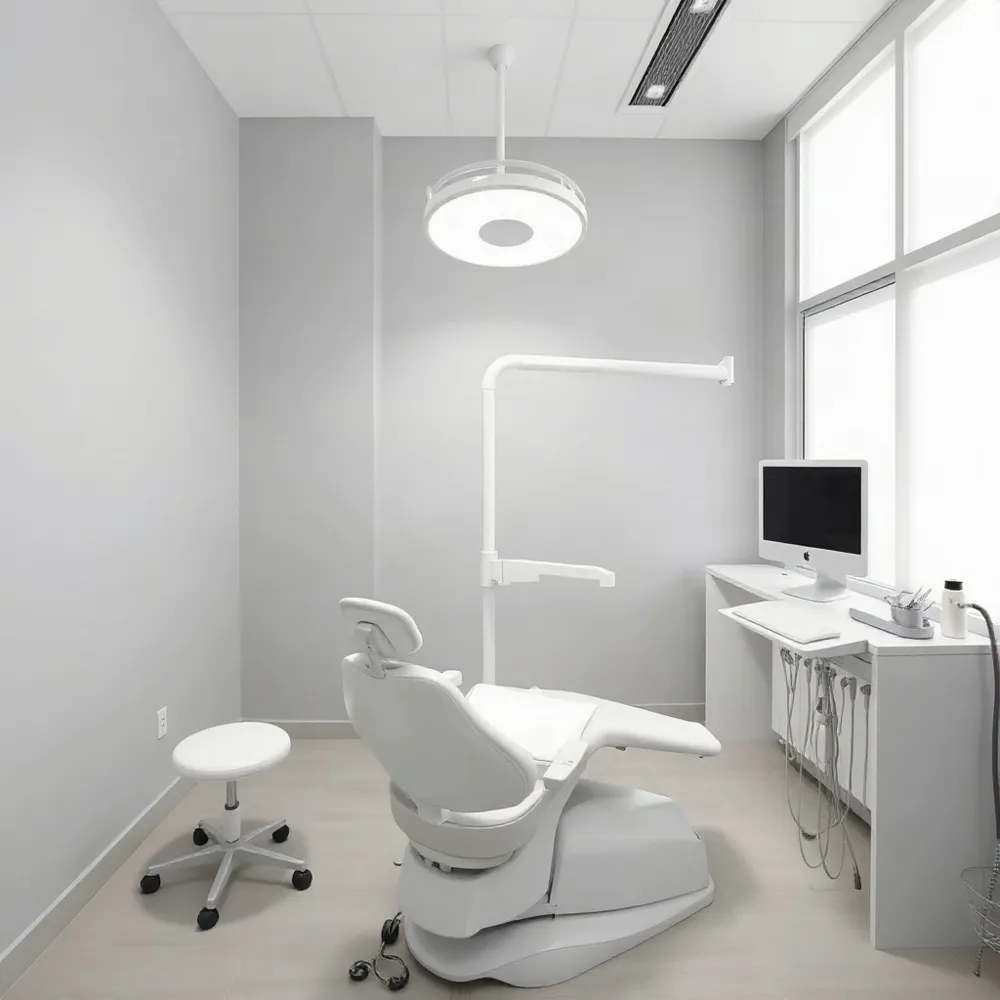 When at-home remedies and desensitizing toothpaste don't deliver lasting relief, professional care can address the underlying causes more directly. Dentists have access to stronger agents and precise application methods that target exposed dentin and irritated nerves. The Mayo Clinic notes that treatment depends on the cause of your sensitivity, which is why a proper diagnosis comes first.
One of the most common professional approaches is the in-office application of a fluoride varnish. Unlike the low concentration in over-the-counter gels, this varnish contains a much higher dose of fluoride that forms a protective layer over exposed dentin, physically blocking the microscopic tubules that transmit pain signals. The entire process takes just a few minutes, and because the varnish adheres to the tooth surface, the benefits extend well beyond a single brushing session. The Cleveland Clinic also highlights fluoride's role in strengthening weakened enamel, making it a dual-purpose treatment for both relief and prevention.
Dental Bonding and Desensitizing Agents
For sensitivity caused by receding gums or worn enamel, dentists may turn to dental bonding. This involves applying a tooth-colored resin to the affected root surface, which both seals the exposed dentin and restores a smooth, comfortable surface. Bonding is particularly effective for isolated areas of sensitivity that are triggered by cold air or sweet foods, since it physically covers the problem rather than just desensitizing the nerve.
Another option is the application of a professional desensitizer, which uses compounds like glutaraldehyde or potassium oxalate to occlude the dentin tubules. These agents penetrate deeper and last longer than anything available in a drugstore tube. A dentist can reapply them during routine visits, and many patients report noticeable improvement immediately after the first application.
What the Research Supports
Clinical evidence backs these professional interventions. Research published in the PMC journal on non-surgical management of tooth hypersensitivity emphasizes that professionally applied fluoride varnishes, bonding agents, and combination therapies consistently reduce sensitivity scores in trials. The same research stresses the importance of identifying the root cause first, since treating the symptom without addressing issues like erosion or gum recession often leads to recurrence.
| Treatment | How It Works | Best For | Typical Relief Timeline |
|---|---|---|---|
| Fluoride varnish | Forms a protective barrier over dentin | Generalized sensitivity | Immediate to 1 week |
| Dental bonding | Seals exposed root surfaces with resin | Isolated areas, receding gums | Immediate |
| Desensitizers | Occludes dentin tubules chemically | Mild to moderate sensitivity | 1-2 applications |
| Restorative care | Crowns or fillings cover damaged areas | Severe enamel loss or decay | After restoration |
At Tigani Family Dentistry in Wilmington, DE, the approach combines these proven methods with a personal touch. The practice's in-house lab means many restorative options, such as custom crowns or bonding adjustments, are completed more efficiently than at offices that outsource this work. The Cleveland Clinic notes that early intervention is often more effective, so bringing up sensitivity at your next checkup can prevent the problem from progressing to a point where more aggressive treatment is needed.
Dental Sealants and Bonding for Protection
That sudden zing when you sip cold water or bite into something sweet isn't random. The sharp, brief pain you feel is your tooth's way of signaling that the protective layers have worn thin. Underneath your enamel and gums sits a layer called dentin, which is full of microscopic tubules that lead straight to the nerve. When these tubules are exposed, everyday triggers like temperature changes, sugar, or even a gust of air can cause that unmistakable twinge. The good news? This condition is manageable, and understanding what causes it is the first step to lasting relief.
What Causes the Sharp, Shooting Pain?
The most common culprit is enamel erosion. Acidic foods and drinks, aggressive brushing, or even teeth grinding can wear away the hard outer shell. When enamel thins, the dentin underneath becomes exposed. Similarly, gum recession, often caused by periodontal disease or over-vigorous flossing, can leave the tooth roots, which have no enamel, vulnerable. In these cases, the nerves within the tubules react strongly to external stimuli. For many patients, this sensitivity is a daily irritation, but it's also a clear signal to examine your oral care routine.
Sensitivity Versus a Bigger Problem
It's important to distinguish between temporary discomfort and something more serious. While a simple sensitivity to cold or sweets often fades with the right toothpaste, persistent pain could indicate a cavity, a cracked tooth, or an exposed root. If the pain lingers for more than a few seconds after the trigger is removed, you may be dealing with a deeper issue. In such cases, professional care is non-negotiable. At Tigani Family Dentistry in Wilmington, DE, a thorough exam can pinpoint exactly why your teeth are reacting, ensuring you treat the cause, not just the symptom.
The Hidden Trigger: Acid and Your Daily Diet
Your diet plays a massive role in tooth sensitivity. Citrus fruits, tomatoes, sodas, and even some energy drinks are highly acidic. Every sip or bite temporarily softens your enamel. If you brush immediately after consuming these, you're scrubbing away the softened layer. Instead, wait at least 30 minutes before brushing, or rinse your mouth with water to neutralize the acid. This simple habit can significantly reduce the frequency of those sharp twinges, a tip our team at Tigani Family Dentistry shares with nearly every patient struggling with this issue.
How to Find Relief That Actually Lasts
For immediate over-the-counter solutions, you have options. Specialized desensitizing toothpastes, such as those with potassium nitrate, block the pain signals traveling from the tooth surface to the nerve. According to the Cleveland Clinic, these toothpastes work by numbing the nerve endings inside the dentin tubules. However, for more persistent cases, professional treatment is often the answer. A fluoride varnish applied by a dentist can strengthen the enamel and reduce sensitivity, as noted by the Mayo Clinic. But here's the catch: what works for one person might not work for another.
Why Professional Guidance Beats Guesswork
While home remedies and over-the-counter pastes offer a good starting point, they don't address the root cause of your specific sensitivity. If you're using a desensitizing toothpaste but still wincing when you eat ice cream, you might have a small cavity or a cracked filling. A visit to a professional is the only way to get an accurate diagnosis. At Tigani Family Dentistry, we offer comprehensive exams that go beyond a quick look. We check for bite issues, gum disease, and enamel wear, then tailor a treatment plan that might include fluoride applications, desensitizing agents, or restorations. Our goal is simple: help you eat, drink, and smile without fear of the next twinge.
What to Expect at Your Sensitivity Checkup
If you decide to see a professional, your appointment will be straightforward. The dentist will ask about your symptoms, when they occur, and your daily habits. They'll then examine your mouth for signs of enamel erosion, gum recession, or dental decay. Depending on what they find, they may recommend a fluoride varnish like Enamelast, which can be painted directly onto sensitive areas to seal the tubules. In some cases, a bonding agent is applied to cover exposed roots. The entire process is quick, painless, and offers relief that lasts for months. It's a far more reliable approach than self-diagnosing with a new tube of toothpaste every few weeks.
Take the Next Step Toward Pain-Free Eating
Tooth sensitivity is common, but it's not something you have to live with. By understanding the underlying causes and seeking the right treatment, you can enjoy your favorite foods and drinks again. If you've tried over-the-counter remedies without success, or if the pain is becoming more frequent, it's time to let a professional take a look. Tigani Family Dentistry is committed to providing personalized, comfortable care for your entire family. Don't let sensitive teeth dictate your diet or your day. Reach out to our Wilmington, DE office today to schedule an appointment and find the relief you deserve.
Restorative Options: Bonding, Crowns, and Root Canals
For many people, tooth sensitivity is an occasional twinge when sipping coffee or biting into ice cream. But when the pain becomes frequent, intense, or localized to a single tooth, the cause is often deeper than enamel wear. At that point, at-home relief only masks the problem, and the right move is a professional evaluation to identify whether the nerve or underlying structure is involved.
According to the Mayo Clinic, sensitivity can stem from exposed dentin, receding gums, or even a cracked tooth. The Cleveland Clinic adds that severe or persistent pain may signal infection or nerve damage. When that happens, simple desensitizing toothpaste won't cut it.
What Professional Care Actually Looks Like
Professional treatment depends on the root cause, and a dentist has several options beyond the pharmacy shelf. A fluoride varnish can strengthen enamel and reduce transmission of pain signals. For more advanced cases, a dentist may recommend a filling, a crown, a root canal, or a surgical gum graft.
Fluoride varnish. A high-concentration fluoride coating applied in-office. It helps remineralize enamel and is often the first line of defense for mild to moderate sensitivity.
Dental bonding. A tooth-colored resin applied to cover exposed root surfaces or fill in worn enamel. It's a quick, conservative fix for localized sensitivity.
Crown or inlay. Used when a tooth is structurally damaged, such as from a fracture or large filling, and needs protection to stop the pain.
Root canal. The definitive treatment when the nerve is infected or dying. It removes the inflamed pulp and eliminates the source of the pain.
Gum graft. Recommended when receding gums expose the roots. A small tissue graft covers the exposed surface and reduces sensitivity.
Each of these options is chosen after a thorough exam, often with X-rays to check for hidden decay or bone loss. The goal isn't just to numb the tooth, but to fix the underlying issue so the pain doesn't return.
Why a Dental Exam Matters Before You Choose a Remedy
Trying to self-diagnose can delay proper treatment. A sharp, throbbing pain that wakes you up at night might be an abscess, not simple sensitivity. A dull ache after eating something sweet could indicate a failing filling. Without a professional diagnosis, you might treat the wrong thing.
At Tigani Family Dentistry in Wilmington, DE, the team starts with a comprehensive exam and listens to your symptoms before recommending a course of action. Whether it's a simple varnish or a more involved restoration, the practice tailors the treatment to your specific tooth, not a one-size-fits-all approach.
How Tigani Family Dentistry Approaches Sensitive Teeth
The practice's in-house lab means that if you need a crown or an inlay, it can often be fabricated faster than a traditional outside lab, reducing the wait time between diagnosis and final restoration. That's a concrete advantage for someone dealing with ongoing pain.
For patients whose sensitivity is tied to gum recession or enamel erosion, the team can apply a fluoride varnish or place a bonding agent during the same visit. They also work with most PPO insurances, which helps make the treatment more accessible. If you're unsure whether your discomfort warrants a procedure, an evaluation can clarify what's actually going on.
Dealing with sensitive teeth doesn't have to mean living with pain. A proper diagnosis from a dentist can turn a vague symptom into a clear treatment plan, whether that's a simple varnish or a more involved restoration.
Gum Grafts for Exposed Roots
Tooth sensitivity usually comes down to one underlying change: the protective layers that normally shield the inner nerve get worn away or recede. Healthy teeth are covered by hard enamel above the gum line and a softer tissue called cementum on the roots. When those barriers thin out, the microscopic tubes inside the dentin open up, and hot, cold, sweet, or even air pressure can reach the nerve and trigger a sharp, sudden twinge. According to the Mayo Clinic, that discomfort is often a symptom of exposed dentin rather than a disease of its own.
Several everyday habits speed up this process without obvious warning signs. Brushing too hard, using a stiff-bristled brush, or clenching your jaw can gradually wear down enamel. Acidic foods and drinks such as citrus, soda, and coffee erode the surface layer over time. Gum recession, which becomes more common with age, exposes the root surface where there is no enamel to protect it. A cracked tooth or a failing filling can also leave the dentin open, creating a sensitive spot that feels like it appears out of nowhere.
How dentists identify the cause
Because the root cause of sensitivity varies, a proper diagnosis matters more than simply grabbing a desensitizing toothpaste. Your dentist will ask when the pain happens, check for visible wear, and may take X-rays to rule out decay or a fracture. In some cases, they will apply a gentle air blast or a cold stimulus to pinpoint which tooth is reacting. This step separates minor sensitivity that resolves with better habits from deeper problems like an abscess or a cracked cusp that need restorative care.
Enamel wear. Over-brushing or a hard-bristled brush scrapes away the protective layer, leaving the softer dentin exposed to temperature changes.
Acid erosion. Frequent exposure to acidic foods and drinks dissolves minerals from the enamel, thinning it over months and years.
Gum recession. Receding gums expose the root surface, which has no enamel and reacts strongly to cold and touch.
Dental damage. Cracks, chips, or failing fillings create pathways for irritants to reach the nerve inside the tooth.
Treatment options range from simple changes at home to in-office procedures. Desensitizing toothpaste works by blocking the open tubules, and most people notice improvement within a few weeks. Fluoride varnish or gel applied by a dentist strengthens the enamel and reduces nerve response. For stubborn cases, a dentist may recommend a filling, a crown, or a gum graft to cover an exposed root. The Cleveland Clinic notes that severe sensitivity tied to worn enamel or gum disease sometimes calls for a more targeted approach.
For patients in Wilmington, DE, Tigani Family Dentistry takes the time to find out why your teeth hurt before recommending a fix. That means ruling out decay, checking your bite, and looking at how your brushing habits might be contributing to enamel loss. Their in-house lab allows same-day adjustments for many restorative procedures, so a simple sensitivity issue rarely requires a second visit. Whether you need a desensitizing rinse, a fluoride varnish, or a small filling to close off a worn spot, the practice pairs a clear explanation with a treatment plan that fits your schedule.
Waiting to address sensitivity usually makes it worse. As enamel continues to wear, the nerve becomes more exposed, and the pain can spread from a single sip of cold water to a constant ache. The underlying cause, whether it is acid erosion, gum recession, or bruxism, rarely corrects itself. Catching it early means simpler, more conservative treatment and less risk of needing a root canal down the road.
Finding Lasting Relief for Sensitive Teeth
Combining the right at-home routine with professional care gives you the best chance of lasting relief from tooth sensitivity. Daily habits such as using a soft-bristled brush and a toothpaste formulated for sensitive teeth reduce the day-to-day triggers, while professional treatments address the underlying causes that home care cannot reach on its own.
Professional options like fluoride varnish applications, which Mayo Clinic notes can help strengthen enamel and reduce discomfort, work alongside your daily routine. For persistent cases, dentists may recommend in-office desensitizing agents or other targeted treatments, as described in the National Institutes of Health's review of non-surgical management of tooth hypersensitivity. These approaches complement, rather than replace, consistent at-home care.
For many people, the practical starting point is a toothpaste made for sensitive teeth. Cleveland Clinic explains that these products contain compounds that block the tiny tubules in dentin, reducing the sensation that reaches the nerve. Switching to one of these toothpastes and giving it a few weeks of regular use is often the first step patients try before seeking professional input.
When to involve your dentist
At-home products handle everyday sensitivity well, but they have limits. If your discomfort persists after several weeks of consistent use, or if you experience sharp pain from hot or cold that lingers, it is time to talk with a professional. A dentist can identify whether the cause is enamel erosion, gum recession, a cavity, or another issue that needs specific treatment.
Professional in-office options go beyond what toothpaste can offer. Fluoride varnish strengthens exposed dentin and can be reapplied periodically. For more stubborn cases, dentists might apply a bonding agent to cover exposed roots or recommend a custom desensitizing gel. Each of these works best when combined with a solid at-home routine.
The most effective approach is usually a partnership. You manage the daily upkeep with the right toothpaste and brushing technique, and your dentist handles the deeper work, such as applying varnish or treating the underlying condition. This combined strategy gives you the best chance of reducing sensitivity and keeping it under control long term.
| At-home care | Professional treatment | Why combine them |
|---|---|---|
| Desensitizing toothpaste | Fluoride varnish | Blocks triggers daily, strengthens over time |
| Soft-bristled brushing | Bonding for exposed roots | Reduces wear, protects dentin |
| Consistent routine | In-office desensitizing gel | Maintains results, treats stubborn cases |
For most people, the best results come from using both together. Your daily routine keeps symptoms manageable, while professional care addresses the cause and offers stronger relief when needed. If you are unsure where to start, a dentist can guide you toward the right combination for your specific situation.