Finding the Right Path to Your Perfect Smile
Selecting the most effective orthodontic path requires more than comparing trends. According to the American Association of Orthodontists, successful treatment begins with a thorough diagnostic assessment, including x-rays and models to understand your specific dental anatomy. Every smile is unique, which is why there is no universal solution for alignment.
At Tigani Family Dentistry, we focus on providing a personalized approach to these decisions. Our practice offers both traditional metal braces and modern clear aligner solutions like Spark™ Orthodontic Aligners. Because we operate an in-house lab, we can craft custom appliances with high precision while keeping the focus on your individual comfort and long-term oral health goals.
Clinical evidence demonstrates that both systems yield results, though they differ in application. A 2025 University of Iowa study highlights that while fixed braces provide constant, non-removable force ideal for complex cases, clear aligners offer significant aesthetic and hygiene advantages for patients who can maintain daily wear compliance. Whether you are considering discreet tray systems or conventional hardware, our team in Wilmington ensures your care plan aligns with both your clinical needs and your lifestyle.
Comparing the Benefits and Requirements of Modern Orthodontics
 Selecting the most effective orthodontic path involves balancing aesthetic preferences with clinical requirements. At Tigani Family Dentistry, we offer both Spark™ Orthodontic Aligners and traditional braces to ensure every patient receives a treatment plan tailored to their specific anatomy and goals. While clear aligners provide a discreet, removable option that simplifies oral hygiene, traditional braces offer consistent, non-removable force that remains the standard for addressing complex bite misalignments.
What are the primary pros and cons of choosing between clear aligners and traditional braces?
Clear aligners are favored for their discreet, near-invisible appearance and the convenience of being removable, which allows for easier brushing, flossing, and eating without dietary restrictions. Conversely, traditional braces remain a highly effective, time-tested solution for complex bite issues and severe misalignments that require precise, constant force. While clear aligners offer significant lifestyle benefits, they require high patient compliance as they must be worn 20 to 22 hours a day to be effective. Traditional braces are permanently fixed to the teeth, removing the risk of forgetting to wear the appliance but making oral hygiene slightly more challenging.
Clinical studies show that both methods are effective, but outcomes often depend on the patient's commitment to the treatment plan. A comparative study noted that aligner patients reported higher comfort and shorter average treatment times for mild to moderate cases. However, complex cases may benefit more from the continuous pressure of fixed brackets. Because success is not merely about the appliance but the expertise behind the plan, we invite you to visit www.tiganidentistry.com to discuss your options during a personalized consultation.
Clinical Effectiveness and the Role of Professional Expertise
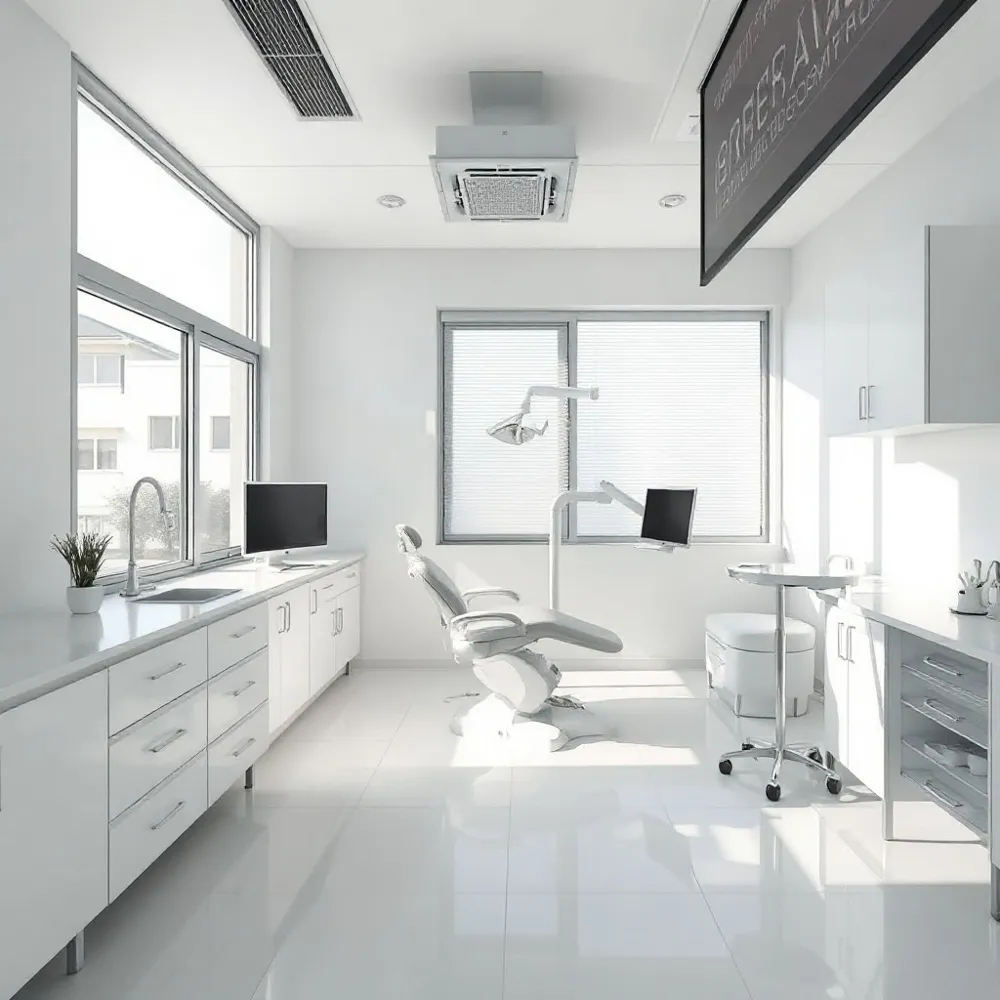 Are clear aligners as effective as traditional metal braces for orthodontic treatment? Both clear aligners and traditional metal braces are highly effective methods for correcting misaligned teeth and achieving a healthy, beautiful smile. While both approaches use controlled force to move teeth into their desired positions, the best choice depends on your specific orthodontic needs, treatment goals, and lifestyle. Traditional braces are a reliable, non-removable option often recommended for complex cases as noted by the ADA and NIH, whereas clear aligners offer a virtually invisible, removable alternative that allows for easier oral hygiene and fewer dietary restrictions per AAO guidance. Because clear aligners require strict patient compliance to be effective, it is essential to discuss your case with our team to determine the most suitable approach for you. At Tigani Family Dentistry, we will conduct a thorough examination to help you decide which treatment will best provide the personalized, long-term results you deserve.
What is the difference between a general dentist and an orthodontist? While both general dentists and orthodontists are dental school graduates dedicated to oral health, they differ significantly in their specialized training and scope of practice. General dentists, much like a family doctor, manage your overall oral health by providing cleanings, fillings, crowns, and treating gum disease or decayed teeth. An orthodontist is a specialist who has completed two to three additional years of full-time, accredited residency training focused exclusively on the alignment of teeth and the complexities of jaw development according to the AAO. While some general dentists may offer basic orthodontic services like clear aligners, orthodontists possess deeper expertise in complex tooth movement and bite correction. Ultimately, seeing an orthodontist ensures you receive specialized care for the most efficient and effective results regarding your smile's alignment.
The foundation of successful treatment relies on diagnostic records, including X-rays, 3D models, and digital scans. These records allow an expert to map out precise movements, a process that studies show yields higher satisfaction and better clinical outcomes when managed by trained professionals.
Treatment Commitment and Practical Considerations for Patients
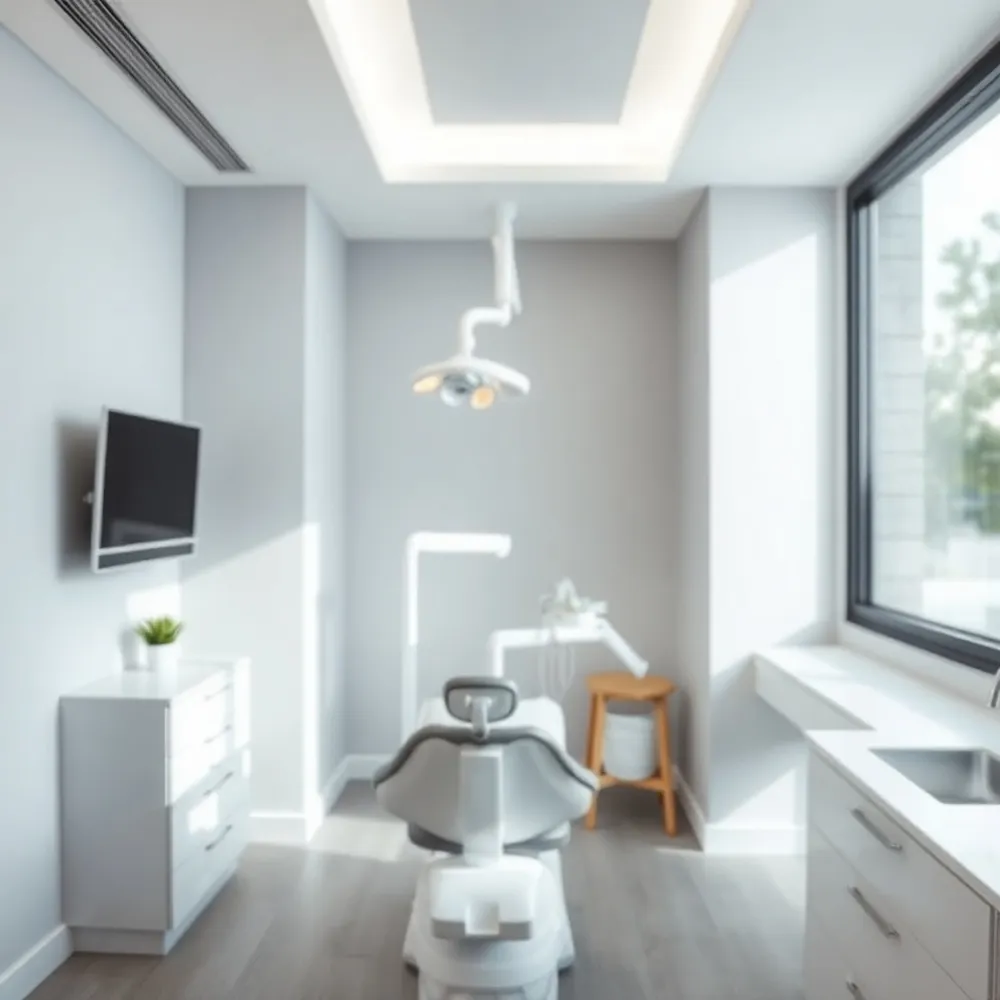 Selecting an orthodontic appliance is a long-term commitment that impacts your daily routine, hygiene habits, and diet. Understanding these practical requirements is vital for ensuring your treatment stays on track and achieves the intended results.
What should patients know about the daily commitment required for clear aligners?
Achieving optimal results with clear aligners requires strict adherence to a daily wear schedule. Patients must keep their trays in for 20 to 22 hours per day to exert the necessary pressure for effective movement. Because the appliances are removable, you must take them out for all meals and beverages other than water, brushing your teeth before re-insertion to avoid trapping plaque or risking decay. At www.tiganidentistry.com, we emphasize this discipline as a core component of your success, as inconsistent wear can extend your treatment duration or require mid-course corrections.
Why might a practitioner be hesitant to recommend clear aligners?
Not every smile is a candidate for aligner-based systems. A provider may advise against them if your case involves complex bite misalignments, significant tooth rotations, or severe crowding that requires the constant, fixed force of traditional braces, which the American Association of Orthodontists notes are highly effective for comprehensive correction. Anatomical factors, such as teeth that are too short or heavily restored, can also limit how well plastic trays grip and move the teeth. Additionally, your provider may prioritize fixed options if there is concern regarding the ability to maintain the mandatory daily wear schedule. As a practice offering both Spark™ Orthodontic Aligners and traditional metal hardware, we assess these individual clinical factors at www.tiganidentistry.com to determine the most predictable path to your ideal outcome.
| Feature | Clear Aligners | Traditional Braces |
|---|---|---|
| Daily wear | 20-22 hours | Fixed 24/7 |
| Dietary habits | Remove for meals | Avoid hard/sticky |
| Clinical focus | Mild to moderate | Complex corrections |
Tailoring Treatment for Teens and Developing Smiles
What factors influence whether a teenager should choose braces or Invisalign?
Selecting the right orthodontic path for a teenager requires balancing clinical needs with individual maturity. While traditional braces provide constant, fixed force that is often more effective for complex bite corrections or severe crowding, they do require strict dietary adjustments. In contrast, removable systems like Spark™ Orthodontic Aligners offer a discreet aesthetic that many teens prefer, yet their success relies entirely on patient compliance. Because aligners must be worn for 20 to 22 hours per day to achieve optimal results, they are best suited for teens who can manage the responsibility of tracking wear-time. For families in Wilmington, DE, Tigani Family Dentistry provides personalized consultations to determine if your teen is better suited for fixed hardware or the independence of removable clear aligners.
What is the recommended age to begin clear aligner treatment?
Early orthodontic evaluation is the standard recommendation for children, typically occurring by age 7, to monitor emerging dental patterns and jaw development. While full orthodontic correction usually begins once permanent teeth have erupted, specialized early interventions can guide jaw growth and create necessary space. This proactive approach can reduce the need for more complex procedures later in life. At www.tiganidentistry.com, our team evaluates each child's unique eruption sequence and jaw structure to determine if they are ready for modern alignment solutions or require interceptive care. By identifying potential issues before they become severe, we ensure that treatment plans are perfectly timed for the most effective outcome.
Financial Planning and Insurance Coverage
Selecting the right orthodontic appliance is an investment in your long-term oral health, and understanding the financial landscape is a critical part of the process. Is there a significant price difference between clear aligners and traditional braces? In many cases, the answer is no. Both treatments are generally comparable in cost, typically ranging between $3,000 and $8,000 depending on the complexity of your case and the expected duration of treatment.
At Tigani Family Dentistry, we believe your treatment choice should be driven by your clinical needs rather than budget limitations. Because we maintain an in-house lab, we can often manage costs more effectively while ensuring precision in every appliance we create. This facility allows our team to deliver high-quality custom solutions without the typical overhead or wait times associated with outside laboratories.
Navigating insurance benefits can feel daunting, but our team at www.tiganidentistry.com is dedicated to helping you maximize your coverage. We accept most PPO insurance plans, including Delta, Guardian, Aetna, and Cigna, and we are happy to assist you in verifying your benefits before you begin. For expenses not covered by insurance, we offer flexible payment options to ensure your path to a healthy smile remains accessible.
Partnering with Tigani Family Dentistry for Your Oral Health Journey
Selecting the right orthodontic path is a personal decision that benefits significantly from expert guidance. Because orthodontic specialists rely on professional diagnostic records to translate your unique goals into an effective plan, a consultation is the essential first step in your journey toward a healthy smile.
At www.tiganidentistry.com, we prioritize a comfortable, personalized approach by offering solutions like Spark™ Orthodontic Aligners alongside traditional metal options. Our family-owned practice in Wilmington, DE, leverages an in-house lab to ensure precision and convenience for every patient. Whether you require restorative care or advanced orthodontic correction, our team is dedicated to providing family-focused solutions under one roof.
We invite you to reach out to our office to schedule a comprehensive evaluation. By reviewing your diagnostic needs, we can help you determine the most effective treatment to support your long-term oral health and confidence.