A New Era of Dental Care
Patient‑focused (patient‑centered) care is defined as dental treatment that respects and responds to each individual’s preferences, needs, and values, allowing those values to guide clinical decisions. Historically, dentistry has moved from a paternalistic model—where clinicians dictated care—to a more respectful, responsive approach mandated by standards such as the UK General Dental Council’s requirement to honor patient dignity and choice. This shift emphasizes clear communication, shared decision‑making, and holistic consideration of psychosocial factors. When practices like Tigani Family Dentistry embed these principles—offering personalized treatment plans, in‑house labs for rapid restorations, and broad PPO insurance acceptance—they build trust within the community. Patients who feel heard, informed, and involved are more likely to adhere to preventive regimens, return for regular care, and recommend the practice, creating a virtuous cycle of confidence and oral health improvement.
The Foundations of Patient‑Centered Dental Care
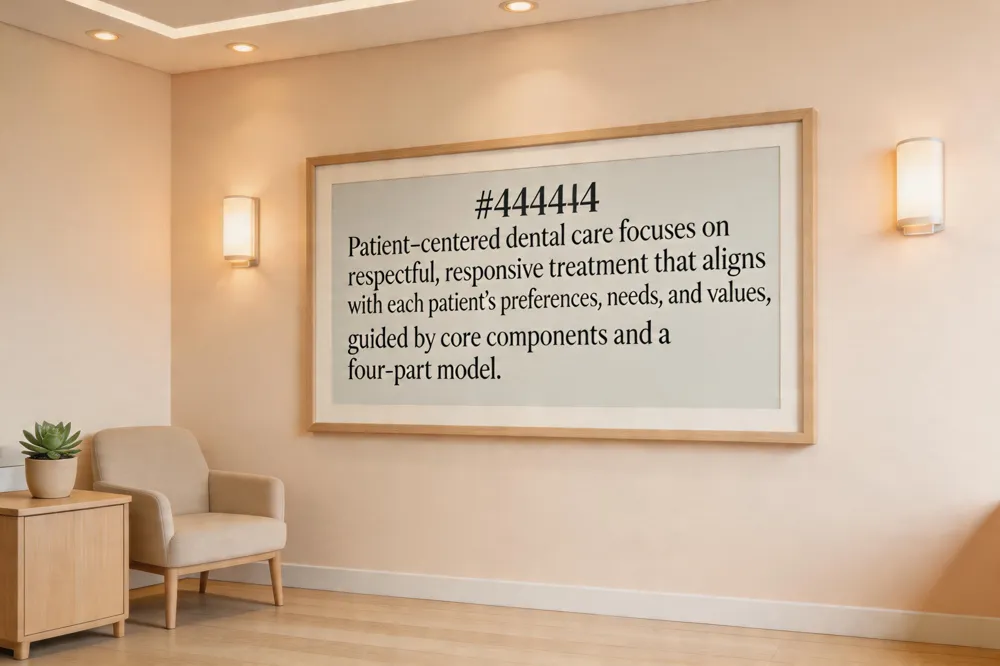 Patient‑centered care (PCC) in dentistry is defined as care that is respectful of and responsive to each patient’s preferences, needs, and values, ensuring those values guide all clinical decisions. In the UK the General Dental Council’s Standard 2 requires clinicians to respect patient dignity and choices, while the American Dental Association lists PCC communication and shared‑decision‑making as core competencies for dental professionals. Effective PCC is built on five core components: individualized treatment plans that consider medical history, lifestyle and aesthetic goals; a holistic view that integrates psychosocial factors; clear, jargon‑free communication that fosters rapport; active patient involvement in goal‑setting and treatment planning; and genuine choice among clinically appropriate options. A widely cited four‑part model for dentistry expands on these ideas: (1) exploring disease within the patient’s life context; (2) treating the patient as a whole person; (3) fostering a compassionate practitioner‑patient ethos; and (4) reaching shared agreement on problem definition, goals and roles.
What is patient‑centered care in dentistry? Patient‑centered care puts the individual's needs, preferences, and values at the forefront of every visit. It involves respectful dialogue, shared decision‑making, and tailoring treatment plans to each patient’s lifestyle and goals.
Building Trust Through Communication
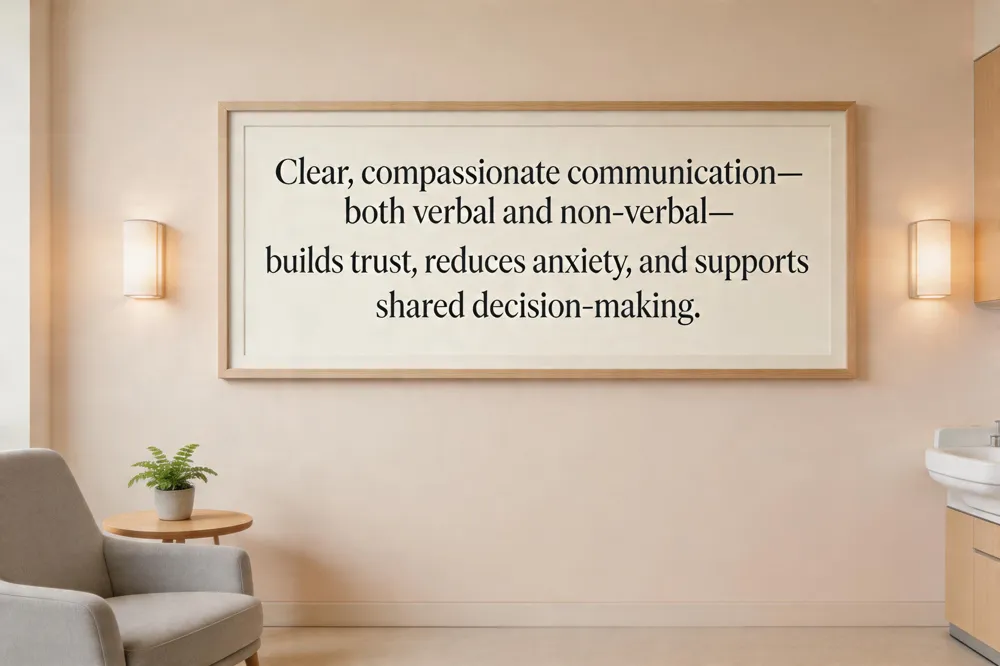 Effective communication is the cornerstone of patient‑centred dental care and directly builds trust. Clear, compassionate verbal communication empowers patients to understand treatment options, reduces anxiety, and promotes adherence. Dentists should use plain, jargon‑free language, explain risks and benefits transparently, and confirm understanding through teach‑back techniques.
Non‑verbal cues—steady eye contact, open posture, gentle touch, and a calm tone—convey empathy and professionalism before a word is spoken. A genuine smile and attentive body language reassure patients, especially when masks limit facial cues, and create a welcoming, family‑focused environment.
Open‑ended questioning invites patients to share concerns, goals, and lifestyle factors. Questions such as “What worries you about your smile?” or “How would you like to improve your oral health?” turn a routine visit into a collaborative partnership, allowing dentists to tailor recommendations and address objections.
Evidence‑based strategies from the literature underscore the importance of shared decision‑making, visual aids, and written or digital summaries.
Demonstrating empathy through both verbal and non‑verbal communication, confirming comprehension, and offering personalized support reduce dental anxiety, increase case acceptance, and strengthen long‑term community trust.
Community Outreach and Its Impact
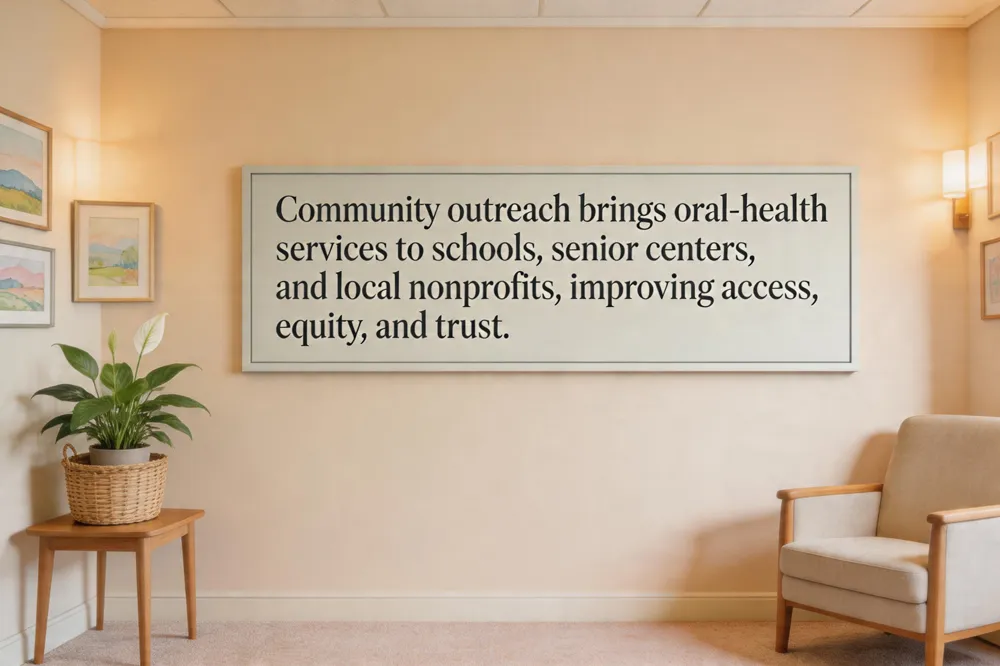 Community outreach in dentistry means extending oral‑health services beyond the clinic walls to meet patients where they live, work, and learn. By partnering with Wilmington schools, senior centers, churches, and local nonprofits, practices provide free screenings, education sessions, toothbrushes, and preventive care directly to underserved families. This approach improves access to care, promotes health equity, and builds trust by showing that the dental team cares about the community’s overall well‑being. In Wilmington, examples of outreach activities include school‑based oral‑health workshops, free senior‑center dental check‑ups, neighborhood “Smile Days” offering hygiene kits, and collaborations with local charities to fund treatment for low‑income patients.
What does community outreach mean to you and why does it matter in dentistry? Community outreach for us means actively partnering with Wilmington’s schools, senior centers, churches and local nonprofits to bring oral‑health education, free screenings, toothbrushes and preventive care directly to the people who need it most. By stepping outside the office and meeting families where they live, we help close the gap in access to quality dental services and empower patients to take charge of their own oral health. These efforts create healthier smiles, reduce disparities, and foster a sense of trust and belonging between our practice and the wider community. They also give our team real‑world experience working with diverse populations, reinforcing our commitment to compassionate, family‑focused care. Ultimately, community outreach is an essential part of dentistry because a strong, healthy community starts with the confidence and well‑being that comes from a bright, pain‑free smile.
Personalized Treatment Planning and Patient Involvement
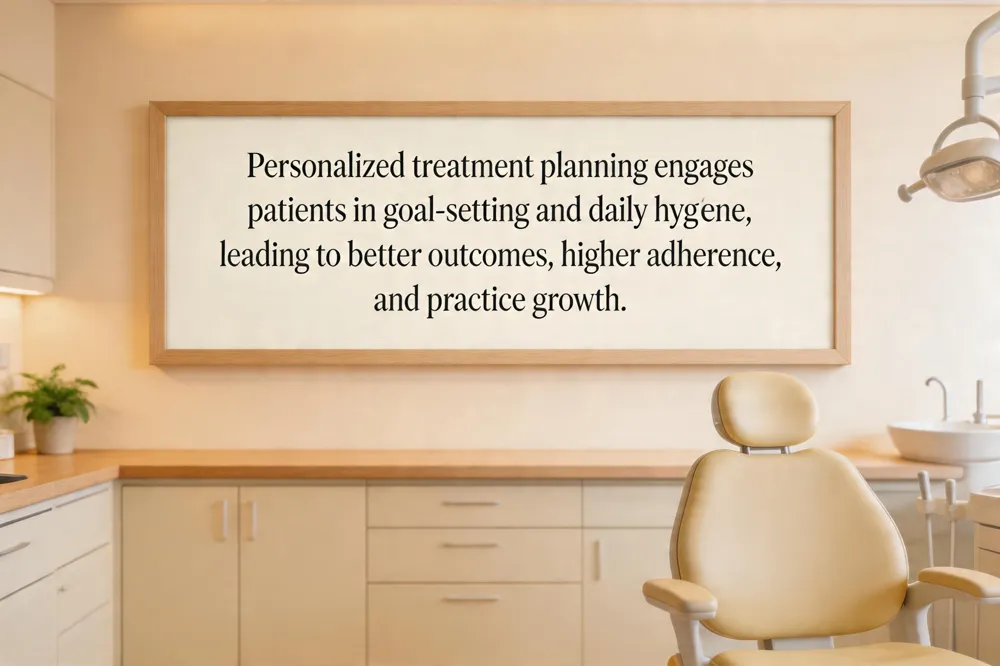 Involving patients directly in designing their oral‑health care plan is a cornerstone of patient‑centred dentistry. When individuals help set realistic goals and choose treatment options, they feel empowered to make informed decisions that reflect their personal lifestyle, preferences, and values. This collaborative approach reduces anxiety, builds trust, and leads to higher adherence to preventive instructions, ultimately lowering decay and gum‑disease rates while generating efficiency savings for the practice.
Active participation—daily brushing, flossing, regular appointments—directly reduces plaque buildup and prevents cavities and periodontal disease. Maintaining a clean mouth also diminishes systemic inflammation, which is linked to cardiovascular and autoimmune conditions. Consistent hygiene supports stronger enamel, boosts confidence, and saves money by avoiding costly restorative procedures and emergency visits.
From a practice‑management perspective, the 80/20 rule states that roughly 20 % of patients generate about 80 % of revenue. These high‑value patients typically schedule regular cleanings, follow treatment plans, and seek higher‑margin services such as cosmetic work, implants, or orthodontics. By identifying and nurturing this core group through personalized follow‑ups, seamless booking, and targeted preventive programs, practices like Tigani Family Dentistry emphasizes personalized, comfortable, family‑focused treatment with comprehensive services and an in‑house lab can boost case acceptance and profitability while maintaining a comfortable, family‑focused environment. Concentrating on the top‑20 % of patients enables sustainable growth and reinforces community trust.
Tigani Family Dentistry: A Model of Patient‑Focused Practice
 Tigani Family Dentistry located on Foulk Road in Wilmington, DE, exemplifies patient‑focused care by offering a comprehensive service suite that spans preventive cleanings, cosmetic dentistry, restorative work, orthodontics, sleep‑medicine appliances, and aesthetic treatments such as Botox and Xerf skin‑tightening. The on‑site laboratory provides same‑day crowns, bridges, and custom orthodontic appliances, reducing turnaround time and ensuring precise, high‑quality restorations that boost patient confidence.
The practice accepts most PPO insurance plans and offers flexible financing, removing financial barriers and reinforcing the principle that care should be accessible to all families. Its long‑standing presence in Wilmington has built a reputation for kindness, professionalism, and a welcoming, family‑focused environment that patients trust.
Dentist on Foulk Road Wilmington, DE – Tigani Family Dentistry is a family‑owned practice conveniently situated on Foulk Road, providing a full spectrum of dental services under one roof, including aesthetic options and an in‑house lab.
Best dentist Wilmington, DE – Recognized for its personalized, comfortable care and comprehensive treatment options, Tigani consistently ranks among the top dental providers in the area.
How to build trust with dental patients? – Trust is established through clear, compassionate communication, transparent pricing, consistent follow‑through, and genuine empathy, all of which Tigani integrates into every patient interaction.
Putting Patients First, Building Community Trust
Patient‑focused care—listening, personalizing treatment plans, and communicating clearly—drives higher satisfaction, better adherence to preventive regimens, and reduced dental anxiety. When patients feel heard and respected, they are more likely to follow oral‑health recommendations, attend regular check‑ups, and experience improved physical and psychological outcomes. Over time, this individualized approach strengthens community health by lowering rates of cavities, gum disease, and emergency visits, while fostering loyalty that translates into repeat visits and word‑of‑mouth referrals. Tigani Family Dentistry embodies these principles: a family‑owned practice that offers a full suite of preventive, cosmetic, restorative, orthodontic, sleep, and aesthetic services under one roof, an in‑house laboratory for rapid, precise restorations, and broad PPO insurance acceptance to remove financial barriers. We invite you to experience a welcoming, compassionate environment where your preferences, needs, and values guide every clinical decision—building a healthier, more trusting community together.