A Consultation Begins With Questions
A dental sleep consultation is a chance to discuss sleep concerns, health history, and possible next steps. At Tigani Family Dentistry, sleep services are part of comprehensive dental care, with a family-focused approach to discussing individual needs. The visit can help identify questions to raise with a medical provider, but it cannot promise that a particular treatment will be suitable.
A dentist may ask about sleep quality, daytime drowsiness, medications, and health history, then examine the teeth, jaw, gums, tongue, and throat for relevant clues. This screening does not diagnose obstructive sleep apnea. Suspected apnea needs medical evaluation, including a sleep study interpreted by a physician, as described in the American Academy of Dental Sleep Medicine’s patient experience guidance.
If an oral appliance is being considered, care may involve the patient, dentist, and sleep physician. The physician evaluates and diagnoses sleep apnea and may prescribe treatment; the dentist assesses oral health and helps fit and monitor an appliance when appropriate. The AADSM’s overview of oral appliance therapy describes this as ongoing care, not a one-visit decision.
Symptoms and Signs Worth Discussing
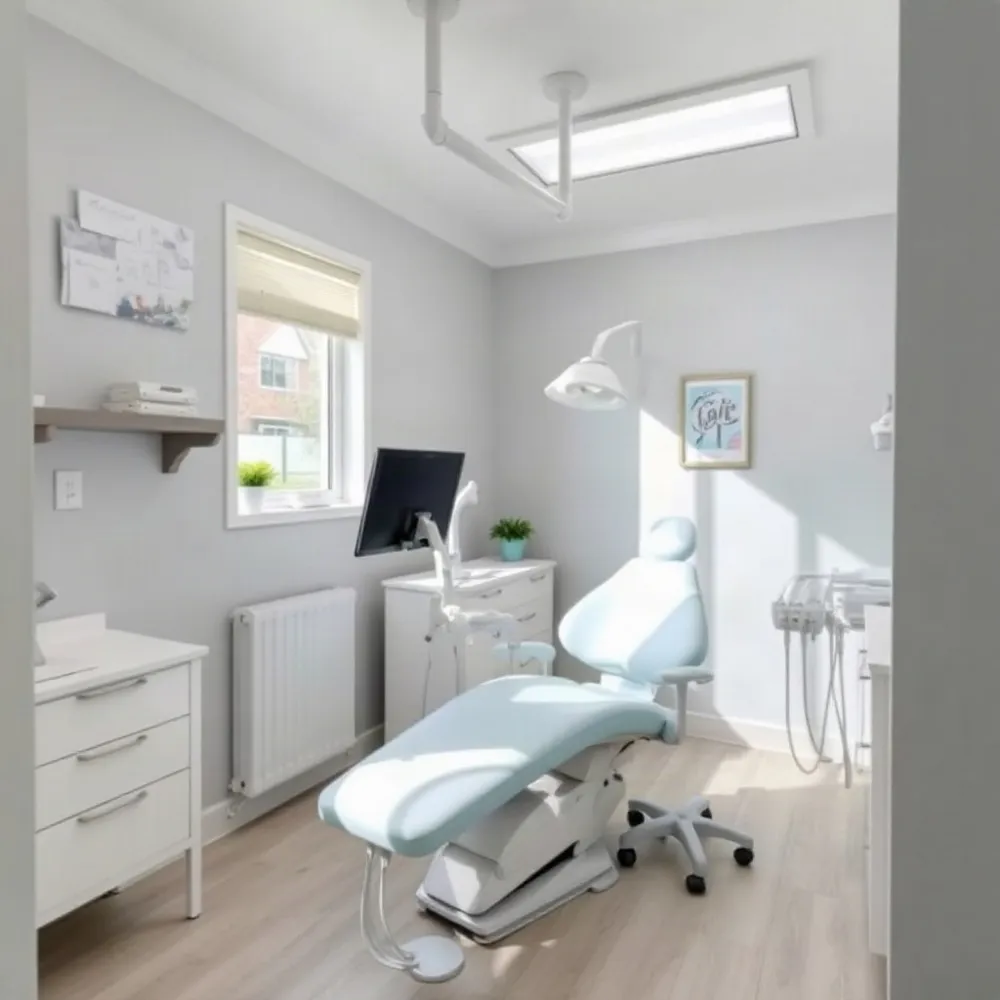 A dentist may ask whether you snore loudly, whether someone has noticed pauses in your breathing, or whether you wake up gasping or choking. Morning headaches, daytime sleepiness, sleep quality, medical history, and medications can also help build a picture of your concerns. At Tigani Family Dentistry, sleep care is part of a broader practice that can consider these concerns alongside your dental health.
Sleep apnea may affect the mouth as well as sleep. Dry mouth and reduced saliva can contribute to cavities, gum problems, and bad breath. Grinding may wear or chip teeth and cause jaw discomfort. Sharing a known diagnosis can help your dentist plan care with your comfort and safety in mind.
An oral screening may include the teeth, gums, jaw, tongue, throat, and airway. Depending on the patient, a dentist may consider tongue or tonsil size, jaw position, palate shape, signs of grinding, neck size, or weight. Photographs or X-rays may also be part of an evaluation. The American Academy of Dental Sleep Medicine describes screening that may include questions about sleep and health, along with an examination of the mouth and throat (patient experience).
Why might a dentist ask whether you have sleep apnea? Possible oral effects and signs can inform dental care, but neither symptoms nor examination findings establish a diagnosis. A dentist who has concerns may recommend evaluation by a physician or sleep specialist. That medical professional can arrange and interpret appropriate sleep testing. Tigani Family Dentistry’s comprehensive dental care includes sleep services, allowing oral health concerns to be considered as part of the visit.
How can a dentist screen for signs of sleep apnea? By asking about symptoms and checking for possible oral or physical risk factors, a dentist can identify concerns to discuss with a medical professional. A screening is not a diagnosis, and a sleep study is needed to diagnose obstructive sleep apnea (American Academy of Dental Sleep Medicine guidance.
What Happens During the Visit
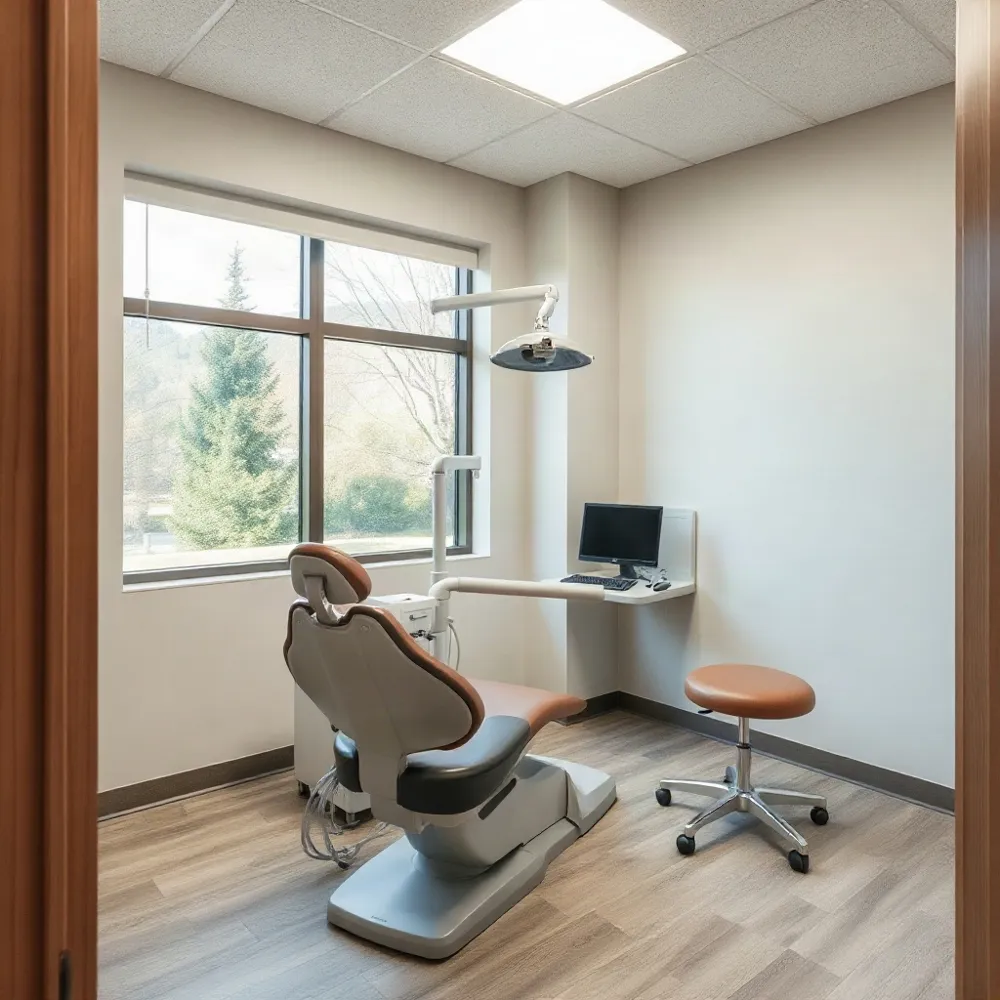 A dental sleep consultation combines a conversation about your sleep and health with an examination of your mouth and jaw. At Tigani Family Dentistry, the discussion can be part of its personalized sleep care, alongside the practice’s broader family and dental services.
What happens during a dental consultation for sleep apnea?
The dentist may ask about your sleep patterns, snoring, daytime tiredness, medical history, medications, and any previous sleep studies or treatments. Sharing your concerns and goals, including difficulties with a treatment you have tried, helps the care team understand what you want to address.
A non-invasive assessment may include the teeth, gums, jaw, tongue, throat, and airway. The exam helps the dentist consider oral and jaw factors and whether an oral appliance evaluation may be appropriate. It does not diagnose sleep apnea; the American Academy of Dental Sleep Medicine’s patient guidance describes diagnosis as a physician’s role, informed by sleep testing.
If you have not received a diagnosis, the dentist may recommend evaluation by a physician or sleep specialist. A sleep study may be done at home with a portable device or overnight in a sleep center. The physician interprets the results and makes the diagnosis. If an oral appliance is prescribed, the dentist can discuss options and explain the custom fitting process.
Bring prior sleep-study reports, a medication and supplement list, and notes about symptoms or sleep patterns if available. Tigani Family Dentistry emphasizes comfortable, individualized care, so use the visit to ask about treatment choices, possible follow-up visits and testing, side effects, cost, insurance, and expected device lifespan. The dentist and medical team can coordinate to monitor comfort and treatment results.
When an Oral Appliance Is Considered
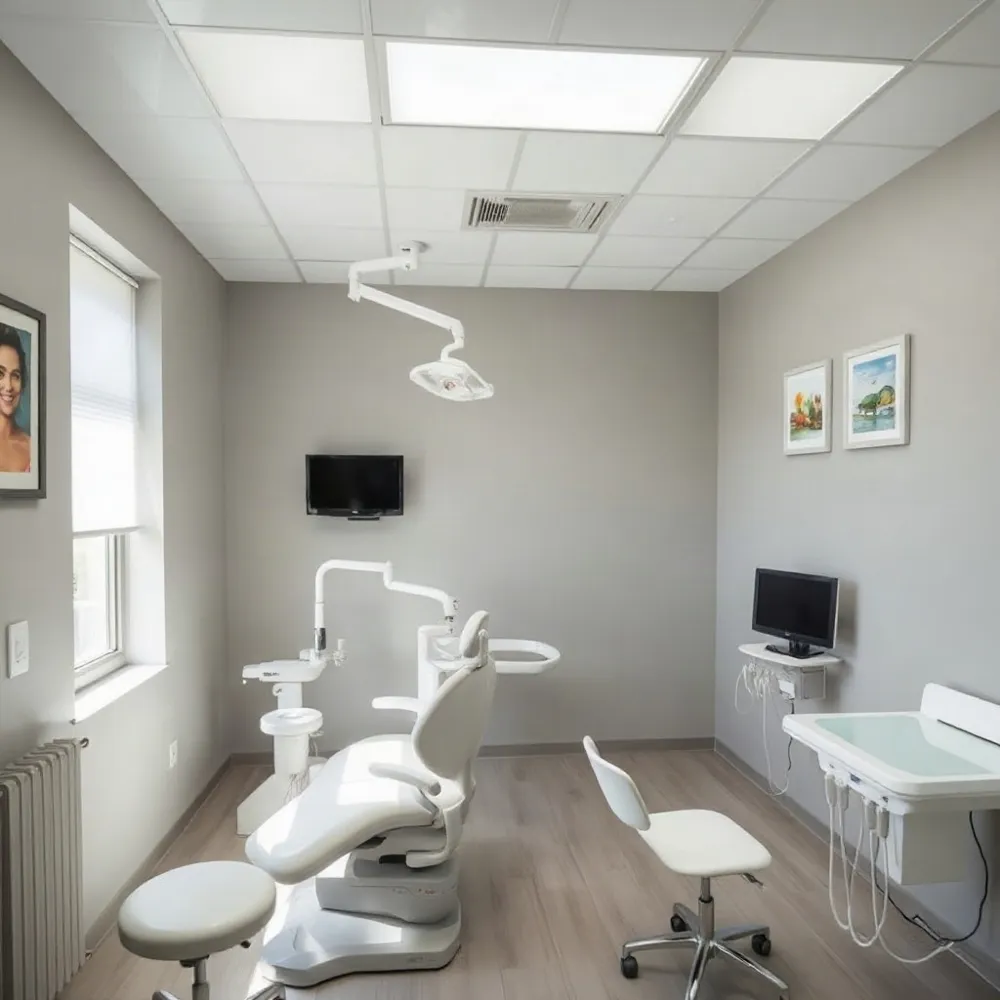 An oral appliance is a mouthpiece worn during sleep to help keep the airway open, most often for obstructive sleep apnea (OSA). The most common type, a mandibular advancement device, holds the lower jaw forward, which also moves the tongue forward and creates more room for airflow. A tongue-stabilizing device instead uses suction to hold the tongue forward. Cleveland Clinic’s guide to oral appliances describes both types.
Treatment generally starts with a sleep physician confirming OSA and deciding whether an appliance may be appropriate. The physician prescribes or refers the patient for dental evaluation. At Tigani Family Dentistry, sleep services are part of a broader family dental practice, where a dentist can assess the teeth and jaw as part of considering treatment. A dental examination alone does not diagnose sleep apnea.
If an appliance is suitable, the dentist takes impressions or a digital scan and records how the teeth meet. A custom device is made from those records, then checked and adjusted at a fitting visit. The dentist explains how to insert and remove it and how to clean and care for it. The American Academy of Dental Sleep Medicine’s patient guidance describes fitting and adjustment as part of ongoing care.
Suitability depends on the diagnosis and a person’s oral and jaw health. Oral appliances are generally considered for mild to moderate OSA, including for some people who cannot use CPAP consistently. They do not treat central sleep apnea, and severe OSA should not be managed with an appliance alone without clinical guidance. Results and appropriate treatment can vary, so the choice belongs in a discussion with the sleep physician and dentist.
Follow-up lets the dentist check comfort, fit, oral health, and possible side effects, and make adjustments when needed. A physician may also recommend a sleep test to see whether treatment is working. This coordinated approach helps the dental team and sleep clinician assess both the device and its effect on breathing.
Benefits, Limitations, and Comparison
An oral appliance is a custom mouthpiece worn during sleep, often designed to move the lower jaw forward and help keep the airway open. It is small, quiet, and easy to pack, and some people find it more comfortable than continuous positive airway pressure (CPAP). It may reduce snoring and daytime sleepiness, but results differ, and an appliance may not sufficiently improve breathing for everyone. The American Academy of Dental Sleep Medicine’s overview of oral appliance therapy describes portability and comfort as potential advantages, not guaranteed outcomes.
CPAP is generally more effective at improving airflow and reducing breathing interruptions, especially when obstructive sleep apnea is more severe. An appliance may be considered for some people with mild to moderate OSA or for those who have difficulty using CPAP consistently. In some cases, a clinician may recommend an appliance for travel or alongside CPAP. Tigani Family Dentistry offers sleep services within a family-focused practice, where patients can discuss treatment questions as part of personalized care.
What are the benefits and drawbacks of oral appliance therapy for sleep apnea?
Possible early side effects include jaw or tooth discomfort, temporomandibular-joint pain, dry mouth, extra saliva, and gum irritation. These may improve as the fit is adjusted. Less commonly, long-term use can contribute to bite changes or tooth movement. Cleveland Clinic’s guidance on oral appliances notes that regular dental visits help monitor oral health and device fit.
A follow-up sleep test may be recommended to check whether the appliance is controlling OSA; results can lead to an adjustment or a different treatment plan. Contact the dentist if discomfort develops, and bring the device to regular appointments so its condition and fit can be checked. At Tigani Family Dentistry, the practice’s emphasis on comfortable, individualized care supports discussion of fit concerns and follow-up needs. A sleep clinician and dentist can coordinate decisions about testing and treatment.
Costs, Coverage, and Device Questions
The price of a custom oral appliance depends on the device, fitting, follow-up care, and clinical needs. Coverage varies by insurer and plan, so do not assume dental or medical insurance will pay. Ask the dental office and insurer which benefits apply, what you may owe for deductibles, copays, or coinsurance, and whether prior authorization is required. Tigani Family Dentistry accepts most PPO insurance, but coverage for a sleep appliance should be confirmed with your plan.
Many prescription devices are FDA-cleared for specific uses, but clearance is not the same as approval and does not mean a device is right for everyone. Over-the-counter mouthguards are not interchangeable with prescribed appliances. A sleep study and clinical evaluation help determine suitability; custom oral appliances are fitted and monitored as part of care.
Bring practical questions to the consultation: Is an appliance appropriate for me? What alternatives and side effects should I consider? How many visits or sleep tests might I need, and how will we check whether treatment works? What will it cost, and how long might the device last? Coordinated care may involve both a dentist and physician, as described in the American Academy of Dental Sleep Medicine’s patient experience.
Care Continues After the Consultation
A dental sleep consultation is a starting point, not a diagnosis. Screening can flag concerns, but a physician evaluates suspected sleep apnea and interprets sleep-test results to guide treatment.
If an oral appliance is prescribed, the dentist assesses fit and comfort, then monitors the device over follow-up visits. The sleep clinician can help confirm whether treatment is working, making care a shared process between medical and dental professionals (American Academy of Dental Sleep Medicine patient guidance).
At Tigani Family Dentistry, patients can discuss sleep concerns as part of the practice’s sleep services. Bring prior sleep-study records and a list of questions, and share symptoms with both your dentist and physician.