A Sound Worth Paying Attention To
A snore can be more than a nighttime nuisance. It may disturb a partner’s sleep, while the person making the sound may have no idea it is happening. Because snoring has several possible causes, the noise alone cannot confirm a health problem or diagnose sleep apnea.
Occasional snoring is common. Persistent, loud, or disruptive snoring deserves more attention, especially when someone notices pauses in breathing, gasping, or daytime sleepiness. These signs can warrant professional evaluation, though they do not prove that sleep apnea is present. Mayo Clinic’s guidance on snoring explains when accompanying symptoms merit medical attention.
This article looks at warning signs, how clinicians assess possible sleep apnea, and where dental care may fit into coordinated treatment. At Tigani Family Dentistry in Wilmington, sleep services sit alongside comprehensive dental care, so patients can discuss dental options as part of a broader conversation with qualified healthcare professionals.
How Snoring Happens
What causes snoring, and how is it treated?
Snoring occurs when air moves through a narrowed airway and makes relaxed tissues in the nose, mouth, or throat vibrate. Airway anatomy, nasal congestion or a deviated septum, excess weight, alcohol or sedatives before bed, too little sleep, and sleeping on the back can all contribute. Mayo Clinic’s overview of snoring describes how narrowing can make airflow more forceful and the sound louder.
Snoring has many possible causes, and the sound alone does not mean someone has obstructive sleep apnea (OSA). OSA involves repeated narrowing or blockage of the airway during sleep. Sleeping on your side, avoiding alcohol close to bedtime, addressing nasal congestion, and maintaining a healthy weight may help some people snore less. Tigani Family Dentistry offers sleep services as part of its broader dental care, so a dental conversation may help clarify whether an oral appliance is worth discussing.
How can you tell the difference between ordinary snoring and obstructive sleep apnea?
Occasional snoring, including snoring linked to sleep position, is not the same as an OSA diagnosis. Loud snoring interrupted by pauses in breathing, followed by gasping, choking, or snorting, is more concerning. Daytime sleepiness, morning headaches, dry mouth, or difficulty concentrating can add to that concern. A healthcare professional can assess symptoms and determine whether a sleep study is needed to diagnose OSA.
Treatment depends on the cause. A custom oral appliance may suit some patients, while suspected OSA needs professional evaluation. A clinician can consider options such as CPAP or other treatment; Mayo Clinic’s sleep apnea guidance explains that care is tailored to the person’s needs.
Warning Signs Beyond the Noise
Snoring can occur without sleep apnea, but other nighttime changes may help show when it deserves closer attention. A bed partner may notice breathing pauses, followed by a gasp, snort, or choking sound. Restless sleep and repeated awakenings can also occur when breathing is disrupted.
A person may not remember waking or realize that breathing has changed. A partner’s observations, including when pauses or gasping happen, can give a healthcare professional useful context. Mayo Clinic’s overview of obstructive sleep apnea symptoms describes these nighttime signs alongside symptoms such as loud snoring and disrupted sleep.
During the day, possible clues include unusual sleepiness or fatigue despite spending enough time in bed, morning headaches, difficulty focusing, and irritability or other mood changes. Dry mouth or a sore throat on waking may also accompany sleep-related breathing problems. These symptoms do not prove that someone has sleep apnea, since other health or sleep issues can cause similar effects.
At Tigani Family Dentistry, sleep services are part of a broader range of family dental care, and a conversation about sleep concerns can be one step toward appropriate guidance. The practice’s personalized approach does not replace medical assessment when breathing pauses or persistent symptoms raise concern. Rather than self-diagnosing, share recurring symptoms and a bed partner’s observations with a healthcare professional, who can advise whether further evaluation is needed.
When to Seek Professional Evaluation
When should loud or persistent snoring be evaluated?
Discuss loud, persistent, or disruptive snoring with a healthcare professional, particularly when it interrupts your sleep or a bed partner’s. A bed partner may notice breathing pauses that the sleeper does not. Pauses followed by gasping, choking, or a snort are reasons to arrange an evaluation, not simply a nuisance to ignore. Mayo Clinic advises medical evaluation when snoring occurs with possible sleep apnea symptoms.
Ongoing daytime sleepiness, morning headaches, a dry or sore throat on waking, and difficulty concentrating also strengthen the case for seeking advice. Snoring alone does not confirm obstructive sleep apnea. A healthcare professional can review symptoms and health history, then decide whether a sleep study or another evaluation is appropriate. Sleep apnea assessment may include overnight monitoring.
For a child who snores, discuss it with a pediatrician, especially if attention, behavior, or school performance is affected. Children can have airway problems during sleep, and those signs deserve assessment rather than guesswork.
Tigani Family Dentistry offers sleep services as part of its broader dental care, so a dental conversation may help clarify whether oral care is relevant. Suspected sleep apnea still calls for appropriate medical evaluation. Tigani’s personalized, family-focused approach can support that conversation while keeping diagnosis and testing with qualified healthcare professionals.
How Sleep Apnea Is Assessed
 How is sleep apnea diagnosed, and can it be tested for at home? Assessment begins with a healthcare professional reviewing symptoms, sleep habits, medical history, and relevant health information. Because people may not notice breathing interruptions themselves, a bed partner’s account of pauses, gasping, or restless sleep can help describe what happens overnight.
A clinician may recommend polysomnography, an overnight test in a sleep center. It records breathing and blood oxygen, along with brain activity and other body signals, to help assess what occurs during sleep. Mayo Clinic’s sleep apnea testing guidance explains how in-lab monitoring differs from home testing.
For some patients, a clinician may prescribe a home sleep apnea test. It measures fewer signals, often including breathing patterns and oxygen levels, so it may miss sleep apnea. If the result is negative or unclear but symptoms remain concerning, follow up with the clinician. An in-lab study may still be recommended.
Snoring alone cannot confirm obstructive sleep apnea, and a dental visit does not replace medical assessment or sleep testing. Tigani Family Dentistry offers sleep services and can discuss dental treatment options as part of coordinated care with qualified healthcare professionals. The appropriate next step depends on the evaluation and test findings.
Treatment Options and Dental Care
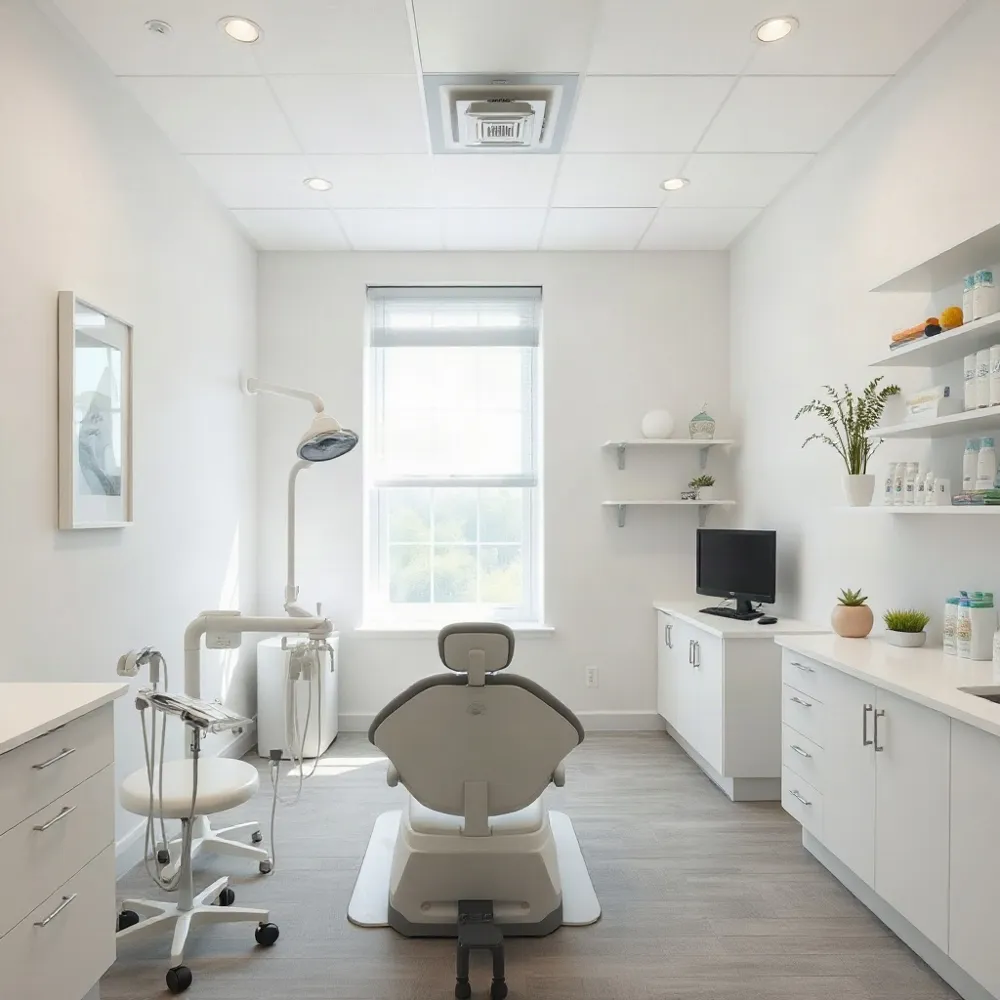 Treatment depends on the type and severity of sleep apnea, so it should follow professional assessment rather than snoring alone. For obstructive sleep apnea (OSA), CPAP is a common, reliable option: it sends pressurized air through a mask to help keep the airway open during sleep. A clinician may adjust the mask or settings if treatment is uncomfortable or symptoms continue. Do not stop or change prescribed CPAP without discussing it with your care team. Mayo Clinic’s sleep apnea treatment guidance describes CPAP and other treatment options.
What treatments are available for sleep apnea, including alternatives to CPAP?
Some people, including certain patients with mild OSA or people who cannot tolerate CPAP, may be candidates for a custom oral appliance. This device moves the lower jaw forward to help keep the airway open. It is not suitable for everyone, and follow-up helps check its fit and whether it is working. A qualified dentist can assess whether an appliance may be appropriate and coordinate with the sleep-care team. Tigani Family Dentistry offers sleep services as part of its broader dental care, with personalized treatment in a family-owned practice.
Is CPAP always necessary for mild sleep apnea?
No. Depending on test results, symptoms, health, and personal needs, a clinician may discuss an oral appliance or other approaches instead. Lifestyle changes and sleeping-position adjustments may help some people; other airway devices or surgery may be considered in selected cases. Regular dental follow-up is useful for appliance wearers, while sleep clinicians assess treatment response. Tigani Family Dentistry’s in-house lab supports its dental services, but treatment choices should remain coordinated with the patient’s medical team.
Central sleep apnea has different underlying causes from OSA, so it requires appropriate evaluation before treatment is chosen. Mayo Clinic explains that care varies by the type and severity of sleep apnea.
Supportive Steps and Risks of Delay
Lifestyle changes may ease snoring or sleep apnea symptoms for some people, but they cannot confirm or reliably cure obstructive sleep apnea (OSA). Sleeping on your side, exercising regularly, managing weight when appropriate, and avoiding alcohol or sedatives near bedtime may help keep the airway more open. These steps do not replace recommended evaluation or treatment.
A healthcare professional can determine whether a sleep study is appropriate and use its results to guide care. A home test may be useful for some people, but it can miss sleep apnea, so a clinician may recommend an overnight study at a sleep center. Mayo Clinic’s guidance on sleep apnea diagnosis and treatment explains why symptoms and home remedies alone are not enough to establish a diagnosis.
Can lifestyle changes or home remedies cure sleep apnea?
Usually, they should be treated as supportive measures, not a cure. If an oral appliance is part of a recommended plan, dental follow-up matters: Tigani Family Dentistry offers sleep services within a family practice that also provides personalized preventive and restorative care. A dentist can discuss dental options as part of coordinated care, while suspected OSA still requires appropriate assessment.
What are the risks of leaving sleep apnea untreated?
OSA can interrupt sleep repeatedly and lower blood oxygen, leaving a person tired and affecting concentration or mood. Severe daytime sleepiness can also raise the risk of accidents, including while driving. OSA is associated with high blood pressure, heart disease, stroke, and type 2 diabetes, though these outcomes do not occur in everyone. Mayo Clinic’s overview of sleep apnea symptoms and causes describes these possible effects.
If you or a family member has loud snoring alongside witnessed breathing pauses, gasping, or persistent daytime sleepiness, seek professional assessment rather than relying on home remedies or assuming the snoring is harmless.
Take Persistent Symptoms Seriously
Snoring alone does not confirm sleep apnea. Pauses in breathing, gasping, restless sleep, or ongoing daytime fatigue make the pattern more concerning and warrant discussion with a healthcare professional. Mayo Clinic’s sleep apnea guidance outlines symptoms that merit evaluation.
A bed partner may notice breathing changes the sleeper does not remember. Share those observations with a clinician and ask whether a sleep study or other assessment is appropriate. At Tigani Family Dentistry, sleep services sit alongside comprehensive dental care, allowing dental concerns to be considered as part of a broader conversation.
Dental care may support treatment for suitable patients, but snoring cannot establish a diagnosis. Decisions about testing and treatment should involve the appropriate healthcare team, with dental professionals contributing where relevant. Mayo Clinic’s diagnosis and treatment information describes how evaluation can guide care.