A Brighter Smile, Step by Step
Professional teeth whitening is a cosmetic treatment that lightens natural teeth, but it does not change the shade of crowns, veneers, or fillings. The degree of change and the experience can vary with the type of staining, oral health, and individual sensitivity. A dentist can explain what whitening may achieve and whether another option is more suitable, as professional whitening may not fully address deeper discoloration.
The process usually starts with an assessment of the teeth, gums, and whitening goals. At Tigani Family Dentistry, that conversation can take place within a family-focused practice offering preventive and cosmetic care, so treatment planning can account for a patient’s broader dental needs.
If whitening is appropriate, the next steps are the appointment, short-term aftercare, and a plan to maintain the result. A dentist can review expected shade changes, comfort, and care choices; tooth sensitivity and gum irritation are possible temporary effects. Regular brushing and limiting stain exposure can help preserve brightness, while follow-up advice can be tailored to each patient.
How In Office Whitening Works
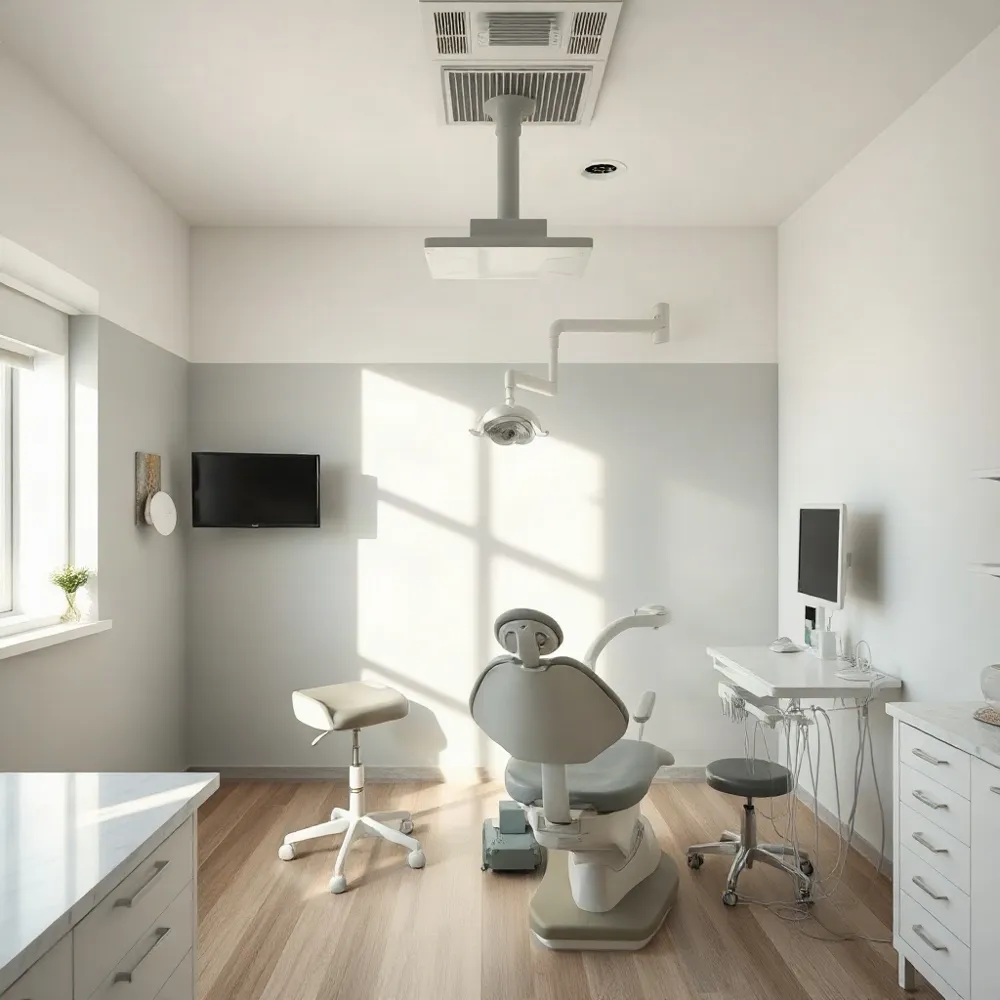 Professional in-office whitening uses a dentist-supervised bleaching gel, commonly made with hydrogen peroxide or carbamide peroxide, to lighten stains in natural teeth. These agents break down discoloration, though the result depends partly on whether staining is on the tooth surface or deeper within it. Teeth whitening methods and how they work
Treatment starts with an assessment of oral health and the current tooth shade. The dental team then protects the gums and other soft tissues before applying gel to the teeth. After it remains in place for a set time, the gel is rinsed away. Depending on the system and treatment plan, the dentist may repeat the application during the visit.
Some systems use a light or laser, but activation is not required for every treatment. In-office sessions commonly take about 60 to 90 minutes, and many people notice a brighter appearance after the appointment. The exact process and timing vary by method and individual needs. Professional in-office whitening
Shade can continue to settle over the following one to two weeks. Dentist-provided take-home trays offer a slower alternative, with results often appearing after daily use for one to three weeks. A consultation at Tigani Family Dentistry can include an assessment of oral health and discussion of whitening goals as part of its personalized dental care.
How much and how quickly teeth brighten depends on the starting shade and the type and severity of staining. Surface stains may respond more readily, while deeper discoloration may lighten less fully. A dentist can review these factors and explain what change is realistic before treatment.
Choosing Whitening With Realistic Expectations
Professional whitening can offer a noticeable improvement more quickly than many over-the-counter products. A dentist can assess your teeth, discuss your goals, and tailor treatment, while strips and kits may be a lower-cost choice for mild surface stains and modest changes. Results vary, so no option can promise a particular shade or an even change for everyone. Professional whitening options and what to expect
An assessment also helps identify oral-health concerns and discuss sensitivity before treatment. Whitening is not suitable for everyone, and a dentist can help weigh the options if you have gum problems, sensitive teeth, or dental work. At Tigani Family Dentistry, patients can discuss cosmetic goals as part of care tailored to their individual dental needs.
Whitening lightens natural teeth, but it does not change the shade of crowns, veneers, fillings, or other restorations. That difference can leave a visible mismatch. Deeper discoloration may respond less well than surface staining, and concerns such as chips may call for discussing other cosmetic options with a dentist. How whitening affects restorations and different stains
Whether professional treatment is worth choosing depends on your goals, budget, and dental health. It may suit someone seeking faster, dentist-guided improvement; a correctly used home product may be reasonable for a smaller change. Whitening is a personal cosmetic choice, not a necessity, and an individualized conversation can help set realistic expectations.
Preparing and Caring for Teeth
What should I do before and after professional teeth whitening?
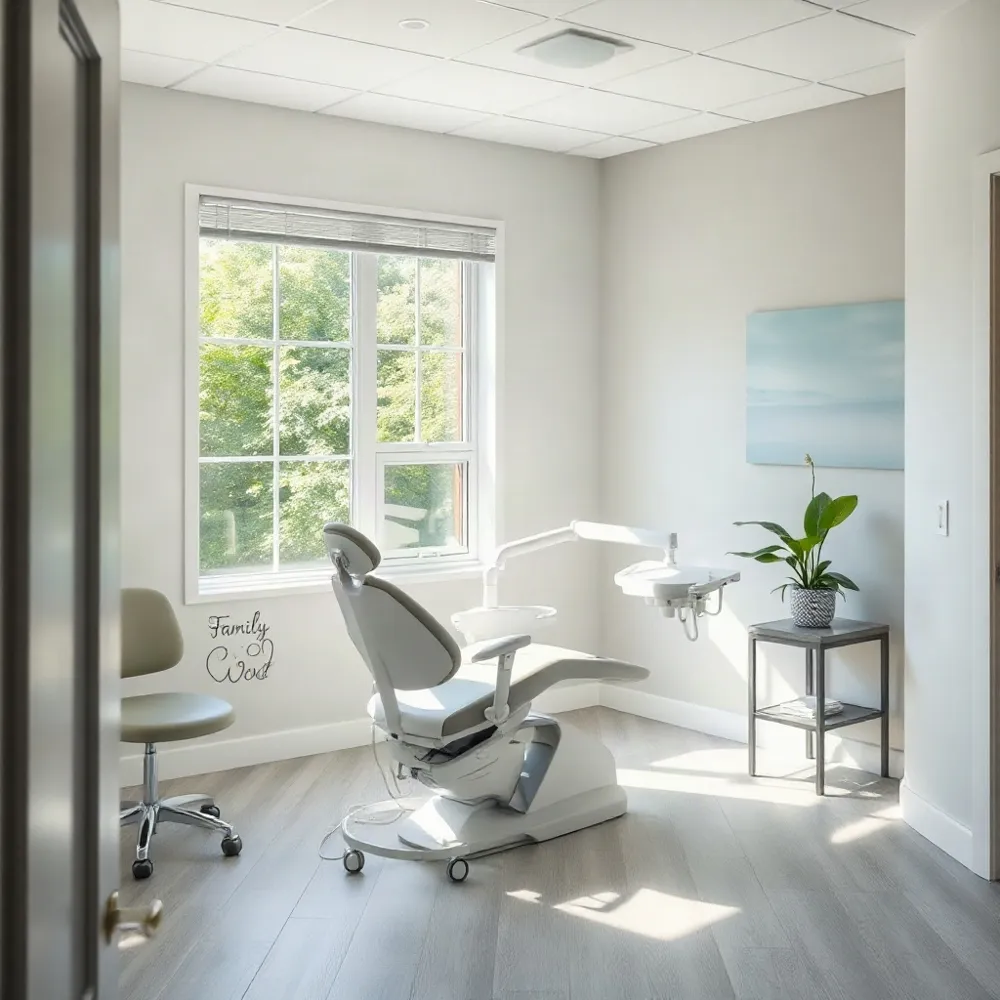
Before whitening, arrange a dental exam and any recommended cleaning. Your dentist can check for cavities, gum problems, plaque, or tartar that may need attention first. At Tigani Family Dentistry, comprehensive dental care provides a setting to discuss your oral health before considering cosmetic treatment.
Tell your dentist about sensitivity, crowns or other restorations, medications, your desired shade, and any concerns. Follow the instructions for your specific treatment. Mild sensitivity or gum irritation can occur; brush gently with a soft toothbrush and consider toothpaste for sensitive teeth. Avoid very hot or cold foods and drinks if they cause discomfort. If pain is severe or does not improve, contact your dentist. Temporary sensitivity and gum irritation are possible side effects of whitening.
What can I eat or drink after teeth whitening, and when can I return to my usual diet?
For the first 24 to 48 hours, limit dark or strongly colored foods and drinks, including coffee, tea, red wine, berries, dark soda, and tomato-based sauces. Avoid tobacco during this period. Mild, light-colored choices include chicken, rice, cauliflower, bananas, plain yogurt, and bread. Drink water, and limit acidic foods if they worsen sensitivity. Aftercare guidance also recommends limiting staining foods and drinks soon after treatment.
After about 48 hours, you can generally return to your usual diet, unless your dentist advises otherwise or sensitivity persists. Rinse with water after meals or staining drinks, brush and floss regularly, and keep up with dental cleanings to help maintain results.
Managing Sensitivity and Gum Irritation
 Temporary tooth sensitivity or mild gum irritation can follow whitening and usually settles within a few days. Teeth may react more strongly to hot, cold, sweet, or acidic foods and drinks. This can happen after both dentist-supervised treatment and at-home whitening, so tell your dental team about sensitivity before treatment. At Tigani Family Dentistry, a family-owned practice in Wilmington, treatment can be discussed as part of personalized care.
To ease discomfort, try toothpaste made for sensitive teeth, brush gently with a soft-bristled brush, and avoid very hot, cold, or acidic foods and drinks for a day or two. Your dentist may adjust the whitening strength or timing, or suggest a desensitizing product. Temporary sensitivity and gum irritation are recognized possible side effects, and using whitening products as directed helps limit irritation.
When can I brush my teeth or use mouthwash after whitening?
Unless your dentist advises otherwise, wait at least 30 minutes before brushing. Use gentle pressure and a non-abrasive toothpaste; rinse with plain water in the meantime. Follow your dentist’s instructions about mouthwash. If irritation is a concern, ask whether an alcohol-free fluoride rinse is suitable.
What should I do if my gums become irritated after whitening?
Stop whitening and rinse thoroughly with cool water to remove any remaining product. Do not apply more gel. Choose soft, mild foods and avoid acidic or spicy items that sting. Contact a dentist if pain is significant, symptoms worsen, or the area does not begin improving within a few days. Severe swelling, blistering, trouble swallowing, or difficulty breathing requires urgent care. Before whitening again, have a dentist check the area and advise you on a suitable method.
Overuse or incorrect application can lead to persistent sensitivity and irritation of the gums or other soft tissues. Repeated whitening, or prolonged abrasive brushing, can wear away enamel, which does not repair itself. Stop using a whitening product and seek professional advice for ongoing pain, redness, or bleeding. Tigani Family Dentistry’s comprehensive care includes preventive and restorative services, allowing patients to raise concerns about oral health as well as cosmetic goals.
Keeping Results and Understanding Costs
How long do professional teeth-whitening results last?
Whitening is not permanent. Results can last from several months to a few years, depending on the method, your starting shade, and how readily your teeth pick up new stains. Coffee, tea, red wine, and tobacco can shorten the time your smile stays bright. Professional whitening results vary with treatment and personal habits.
Brush and floss consistently, keep up with dental cleanings, and rinse with water after staining drinks. A dentist may suggest occasional professional take-home touch-ups, but timing should fit your needs. At Tigani Family Dentistry, the team can discuss options in the context of your overall dental care; follow professional guidance to avoid over-whitening and added sensitivity.
How much does professional teeth whitening cost, and is it covered by dental insurance?
Whitening often costs a few hundred dollars, though the price varies by treatment method, number of visits, and dental practice. In-office care may cost more than dentist-provided take-home trays, and an exam or cleaning may be an additional charge. Whitening is generally cosmetic and often excluded from dental insurance, but plan benefits differ. Check with your insurer and request an estimate before treatment. Tigani Family Dentistry can discuss options and provide pricing based on your individual needs.
Make a Plan With Your Dentist
A consultation can help match a whitening approach to your oral health, goals, and budget. At Tigani Family Dentistry, personalized care is part of the practice’s family-focused approach, so ask what shade change is realistic and what treatment and costs may be involved.
Before deciding, mention any sensitivity and ask how crowns, veneers, or fillings may affect the result. Discuss aftercare and maintenance, too. Whitening changes natural teeth, not restorations, and repeated treatment can cause harm if used incorrectly, so follow your dentist’s guidance rather than whitening frequently on your own (professional whitening guidance; teeth whitening methods and side effects).