When Snoring Signals More
Snoring can be more than a nuisance. Loud, disruptive snoring, gasping, or pauses in breathing during sleep may point to obstructive sleep apnea (OSA), a condition in which the airway repeatedly narrows or becomes blocked. These signs do not confirm OSA, but they are worth discussing with a healthcare provider. Harvard Health explains how snoring can relate to sleep apnea.
Snoring can also have causes unrelated to OSA, so a mouthpiece is not automatically the right solution. A sleep evaluation can help identify what is behind the noise and whether treatment is needed. At Tigani Family Dentistry, sleep services are part of the practice’s broader dental care, and treatment decisions should follow appropriate medical assessment.
A custom oral appliance may reduce snoring for some people, particularly when it is linked to OSA. It typically positions the jaw or tongue to help keep the airway open, but results vary and less snoring alone does not show that OSA is controlled. Cleveland Clinic describes oral appliance therapy and the need to assess its effectiveness. Diagnosis and follow-up with healthcare and dental professionals help determine whether the approach is appropriate.
How Oral Appliances Open the Airway
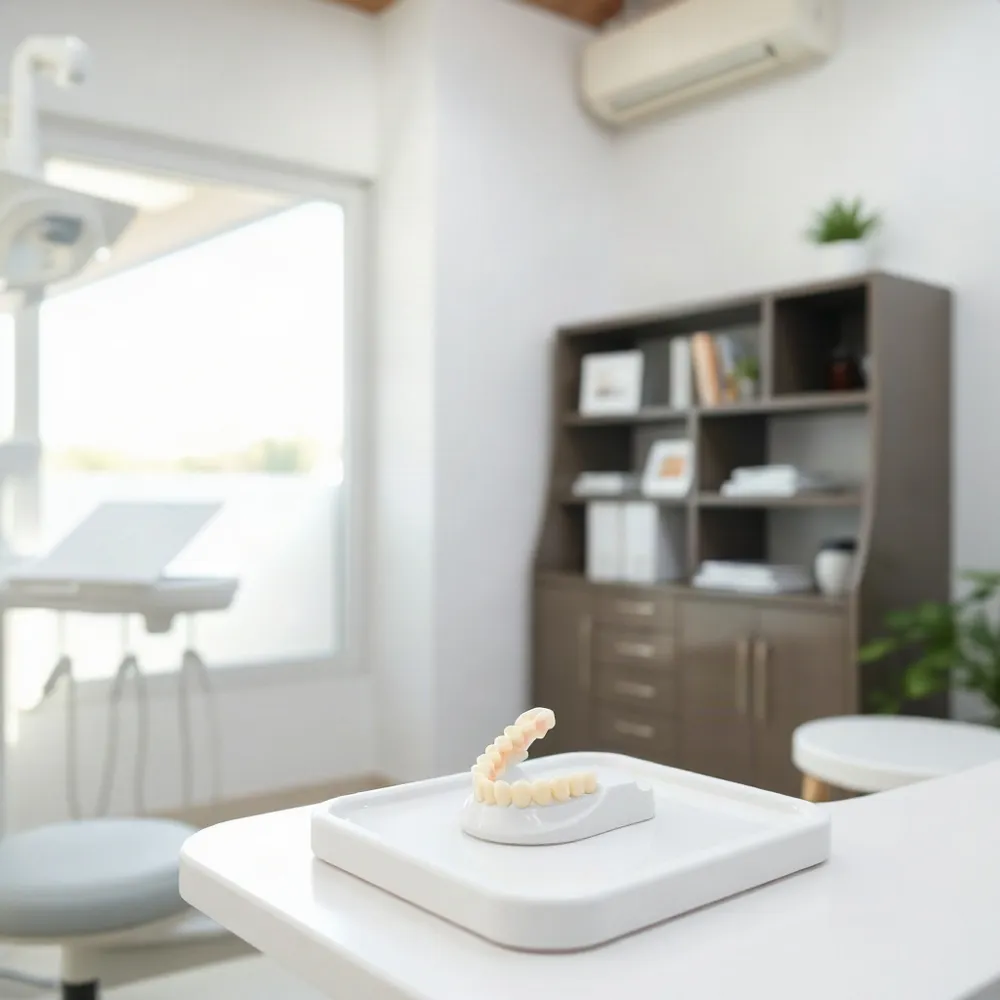 An oral appliance is a mouthpiece worn during sleep to help keep the airway open. It is used most often to treat obstructive sleep apnea (OSA), in which the upper airway narrows or becomes blocked during sleep. Although some appliances can reduce snoring, a mouthpiece is not a guaranteed fix for every cause of it. Cleveland Clinic’s overview of oral appliance therapy explains how these devices work and why professional guidance matters.
The most common design is a mandibular advancement device (MAD). It fits over the teeth and holds the lower jaw slightly forward. This position can also bring the tongue forward, creating more room for airflow at the back of the throat.
A tongue-stabilizing device (TSD) works differently: it uses suction to hold the tongue forward during sleep. It may be considered for someone who cannot use a MAD, including some people whose teeth cannot securely retain one. A clinician can help determine whether either type suits the person’s diagnosis and oral health.
The process involves both medical and dental care. A sleep clinician evaluates symptoms, diagnoses OSA when present, and considers treatment options; if an appliance is appropriate, a qualified dentist takes the measurements, fits the device, and monitors comfort and oral health over time. At Tigani Family Dentistry, sleep services are part of its comprehensive dental care, and the family-owned Wilmington practice emphasizes personalized treatment.
When an Appliance May Reduce Snoring
Yes, an oral appliance may reduce or sometimes eliminate snoring by helping keep the airway open during sleep. A custom mandibular advancement device moves the lower jaw forward, which can also shift the tongue and make more room for airflow. Results vary with a person’s anatomy and the cause of the snoring, as Cleveland Clinic explains.
The treatment has a clearer rationale when snoring is associated with obstructive sleep apnea (OSA), a condition involving repeated airway blockage during sleep. Snoring alone does not establish an OSA diagnosis, and an appliance is not a guaranteed fix for every cause. At Tigani Family Dentistry, sleep services are part of a broader dental practice, so a dental assessment can help address oral fit and comfort while suspected OSA calls for medical evaluation.
Pauses in breathing, gasping or choking sounds during sleep, and daytime sleepiness are reasons to discuss symptoms with a healthcare provider. A sleep study may be needed to determine whether OSA is present and guide treatment. The American Academy of Dental Sleep Medicine describes oral appliance care as coordinated between a doctor and a qualified dentist.
Quieter nights do not necessarily mean that OSA is adequately treated. Follow-up assessment, and sometimes another sleep test, may be needed to check whether the device is working; a dentist can also monitor fit and dental health. Tigani Family Dentistry’s personalized approach to care can support that dental follow-up, while treatment effectiveness should be judged with the appropriate healthcare professionals.
Who May Be a Candidate
 Oral appliance therapy is often considered for adults with mild to moderate obstructive sleep apnea (OSA), especially when they cannot use CPAP consistently or prefer another treatment. It is not a fit for everyone: mouth anatomy and OSA severity affect whether the device may help, and an oral appliance does not treat central sleep apnea. The Cleveland Clinic’s guidance on oral appliances emphasizes that suitability should be discussed with a healthcare provider.
Snoring alone does not establish that someone has OSA. A sleep physician can assess whether snoring may be related to sleep apnea, arrange diagnostic testing when appropriate, and recommend or prescribe treatment. If the evaluation points to primary snoring rather than OSA, the physician can help determine whether an oral appliance is suitable.
The process involves medical and dental care. A sleep physician evaluates the condition and monitors whether treatment is working. A dentist qualified in dental sleep medicine takes the measurements needed for a custom appliance, checks its fit, and can adjust it over time. The American Academy of Dental Sleep Medicine’s care guidance describes this coordinated approach, including ongoing dental follow-up.
At Tigani Family Dentistry in Wilmington, the team provides sleep services as part of its broader dental care. A dental evaluation can address whether a patient’s teeth and bite can support an appliance, while the sleep physician remains responsible for diagnosis and medical assessment. People with severe OSA should not replace prescribed treatment with a mouthpiece on their own; they need guidance from their sleep physician.
What Effectiveness Can Look Like
There is no single success rate that predicts how an oral appliance will work for one person. Results can depend on the severity of obstructive sleep apnea (OSA), the shape of the mouth and airway, and whether the device is worn consistently. At Tigani Family Dentistry, sleep-related dental care is part of a family-owned practice that also provides comprehensive dental services.
Researchers often assess treatment by measuring the apnea-hypopnea index (AHI), which counts breathing interruptions during sleep. A reduction of at least 50% in AHI is one benchmark used to describe improvement. Reaching a normal AHI is a separate outcome and is less common. These measures do not mean the same thing, so a reported “success rate” can vary with the study’s definition.
A 2019 review of oral appliances for OSA summarized research in which roughly one-third of people using a mandibular advancement device had their AHI fall below 5, roughly one-third had an AHI reduction of at least 50%, and roughly one-third had little improvement. These are group findings, not a forecast for an individual; the review also notes that response varies and that no method reliably identifies every likely responder in advance. The review describes these outcomes in the context of OSA treatment.
Less snoring or better daytime alertness can be encouraging, but symptoms alone cannot confirm that OSA is controlled. A clinician may recommend a follow-up sleep test to check the appliance’s effect and determine whether adjustments or a different treatment are needed. The Cleveland Clinic’s guidance on oral appliance therapy describes follow-up testing as one way to assess treatment response.
Oral Appliances Compared With CPAP
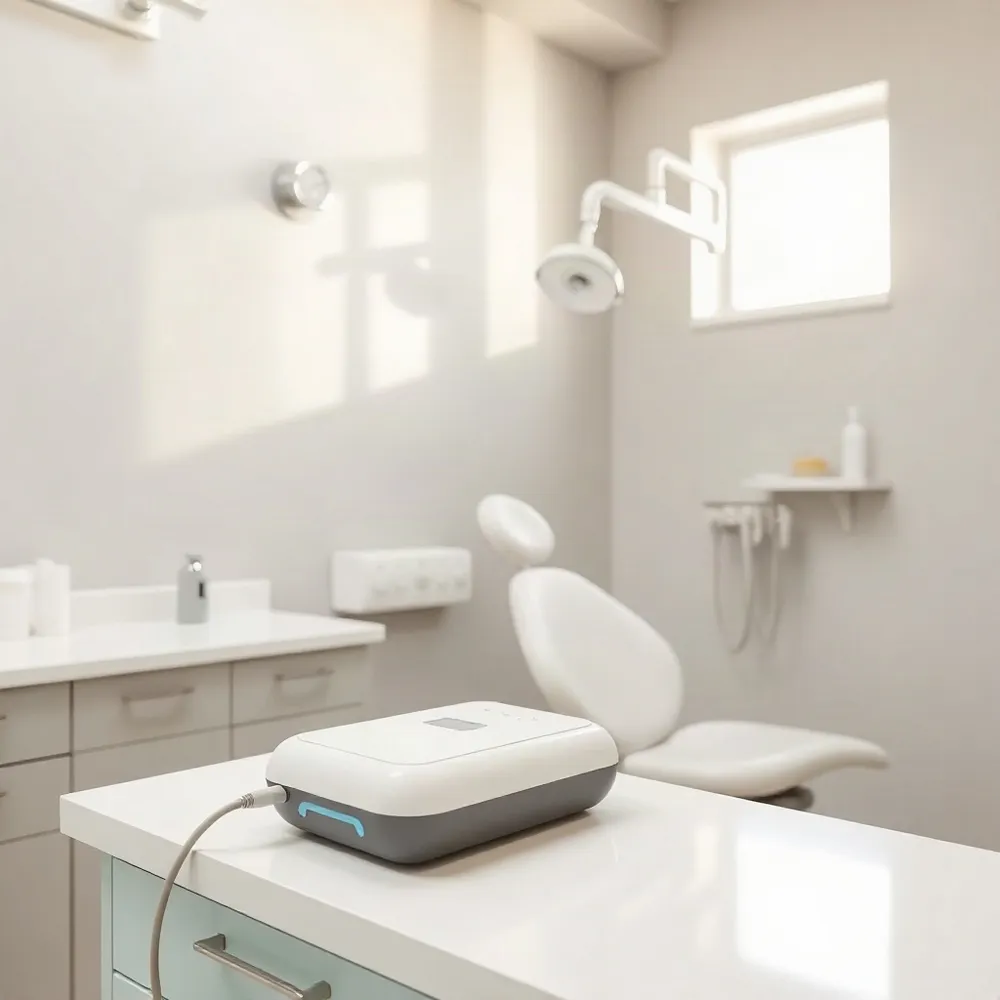 CPAP is generally more effective than an oral appliance at improving airflow and reducing breathing interruptions caused by obstructive sleep apnea (OSA). It is commonly chosen as a primary treatment, but some people find the mask, noise, or equipment difficult to tolerate consistently. Cleveland Clinic’s comparison of CPAP and oral appliances explains why an appliance may still be considered for some patients.
A custom oral appliance is quiet, compact, and portable, and may be easier to wear during sleep or when traveling. Its trade-off is that it may not improve airflow as much as CPAP. Whether it works well also depends on the person’s anatomy and OSA severity, so reduced snoring alone does not confirm that sleep apnea is controlled.
Treatment decisions should account for comfort, daily routine, and the likelihood of using a device consistently, as well as clinical factors. At Tigani Family Dentistry, sleep services are part of a family-owned practice that emphasizes personalized care; a sleep clinician should guide the treatment choice, with a dentist fitting and monitoring an appliance.
Some people use an oral appliance in one setting, such as while traveling, and CPAP in another. Do not stop or replace prescribed care on your own. A sleep clinician can help decide whether an appliance, CPAP, or both are appropriate, and may recommend follow-up sleep testing to check the results.
Benefits and Possible Drawbacks
For people with obstructive sleep apnea (OSA), an oral appliance offers a noninvasive option that is quiet, portable, and easy to care for. Some users experience less snoring, fewer sleep disruptions, or improvements in daytime sleepiness and concentration. The American Academy of Dental Sleep Medicine notes these practical advantages, while emphasizing that consistent use matters.
Benefits are not guaranteed. An appliance may not control OSA adequately for some people, and it is generally less effective than CPAP at improving airflow. A clinician may recommend a follow-up sleep test to check whether treatment is working. At Tigani Family Dentistry, sleep services are part of the care offered at its family-owned Wilmington practice, where treatment is personalized to the patient.
Adjustment takes time. It commonly takes two to four weeks to get used to wearing an appliance, and starting with shorter periods before increasing wear may help. During the first week or two, possible effects include extra saliva, dry mouth, jaw or tooth discomfort, discomfort around the temporomandibular joint (TMJ), and gum irritation. These often ease as the wearer adjusts, but persistent pain or irritation should be discussed with a dentist.
Less commonly, long-term use can shift teeth or change the bite. The Cleveland Clinic’s guidance on oral appliance therapy recommends regular dental visits to monitor oral health and the device. Bring the appliance to appointments so the dentist can check its condition and assess any changes. Tigani Family Dentistry’s comprehensive dental care provides a setting for discussing oral health concerns alongside sleep-related treatment.
Costs and Insurance Questions
How much does a custom oral appliance for sleep apnea cost, and may insurance cover it? A broad estimate is about $1,500 to $4,500, depending on the device, fitting, and follow-up care. Published estimates differ, so this range is not a fixed price.
The total may include an evaluation, the appliance, fitting appointments, and visits to assess comfort and effectiveness. Ask for an individualized estimate that spells out what is included and whether adjustments or follow-up testing may add costs. The Cleveland Clinic’s guidance on oral appliance therapy recommends discussing costs, insurance, and follow-up needs with a healthcare provider.
Insurance may cover some or all of the expense when an appliance is prescribed as medically necessary treatment for diagnosed obstructive sleep apnea (OSA). Coverage varies by plan and may require a sleep study, clinical documentation, or prior authorization. Deductibles and copays can also affect what you pay.
Before treatment begins, ask your insurer whether the appliance falls under medical or dental benefits, what documentation is required, and whether you need approval in advance. Tigani Family Dentistry accepts most PPO insurance plans and can help review insurance options and discuss estimated out-of-pocket costs, but the insurer determines coverage.
Checking Device Clearance
Some oral appliances for obstructive sleep apnea (OSA) are FDA-cleared, but clearance applies to specific devices and intended uses. It does not mean every mouthguard marketed for snoring or sleep apnea has been evaluated or cleared. The FDA 510(k) pathway is different from FDA approval: it generally involves showing that a device is substantially equivalent to a legally marketed device.
Read the device labeling with a qualified clinician, including whether the appliance is intended for snoring, diagnosed OSA, or a particular type or severity of OSA. Tigani Family Dentistry provides sleep services as part of its broader dental care, so questions about a device’s fit and intended use can be considered alongside the patient’s dental needs.
Clearance alone does not establish that a device is suitable for an individual or that it will control their sleep apnea. Diagnosis should come first, followed by selection and fitting with appropriate medical and dental guidance. A follow-up assessment, which may include another sleep test, helps determine whether treatment is working and whether adjustments or another approach are needed. The American Academy of Dental Sleep Medicine’s guidance describes care coordinated between a doctor and a qualified dentist.
Start With an Evaluation
An oral appliance may reduce snoring for some people, particularly when it is linked to obstructive sleep apnea (OSA), but it cannot address every cause or guarantee quieter sleep. A sleep study and clinical assessment can help determine whether OSA is present and which treatment may be suitable. Cleveland Clinic’s overview of oral appliance therapy explains why the choice depends on individual factors.
If snoring is frequent, or comes with gasping, witnessed pauses in breathing, or daytime sleepiness, talk with a healthcare provider rather than relying on a store-bought mouthpiece. A reduction in snoring alone does not confirm that sleep apnea is being treated.
Sleep professionals assess breathing and discuss treatment options; a qualified dentist evaluates oral health, fits a custom appliance when appropriate, and monitors comfort and dental changes. At Tigani Family Dentistry, sleep services are part of a broader family dental practice in Wilmington, with personalized care and an in-house lab. Bring your questions to your healthcare provider and dental team so they can help you weigh the options.