The Surprising Connection Between Oral Health and Your Sleep
Snoring is often dismissed as a mere nuisance, but it frequently acts as an audible warning sign of deeper physiological issues. The relationship between your oral anatomy and sleep quality is bidirectional. When soft tissues in the throat relax or the jaw is misaligned, they create a narrow airway that forces air to vibrate, causing the sound we recognize as snoring Snoring: Causes, Effects and Tips for Better Sleep. This airway obstruction often forces you to breathe through your mouth at night, which significantly reduces saliva production. Because saliva is essential for neutralizing acids and washing away harmful bacteria, chronic mouth breathing directly increases the risk of tooth decay and gum disease Sleep Apnea (Obstructive).
Dentists perform a unique role in identifying these issues early. During routine exams, they can detect markers like bruxism, a high-arched palate, or enlarged tonsils that often indicate sleep-disordered breathing Oral health problems linked to obstructive sleep apnea are not .... At Tigani Family Dentistry, our comprehensive approach includes evaluating your airway structure alongside traditional dental health. While some providers refer patients solely to specialists, our team monitors how these conditions impact your teeth over time, often utilizing custom oral appliances to manage mild cases and improve your overall sleep health.
Decoding Obstructive Sleep Apnea and Its Health Risks
 What is obstructive sleep apnea and why is it considered a serious health concern? Obstructive Sleep Apnea (OSA) is a widespread sleep disorder occurring when throat muscles relax too much during sleep, causing the upper airway to collapse or narrow. This physical obstruction leads to recurring breathing cessations known as apneas. As the most common form of sleep-disordered breathing, OSA affects up to 40% of the adult population per recent clinical research.
The condition is far more than a source of fatigue. Because the body experiences repeated oxygen deprivation and physiological strain throughout the night, untreated OSA is strongly linked to severe systemic health outcomes, including hypertension, cardiovascular disease, stroke, and Type 2 diabetes. The disruption in sleep patterns and blood oxygen levels forces the heart to work harder, compounding these cardiovascular risks.
Beyond physical health, the impact on daily functioning is profound. Chronic sleep fragmentation often results in excessive daytime sleepiness, cognitive impairment, and a decreased ability to concentrate. This lack of restorative rest can diminish long-term quality of life and significantly heighten the danger of workplace or traffic accidents. Early identification through professional screening remains essential to prevent these lasting health complications.
Recognizing Sleep Apnea Indicators During Dental Exams
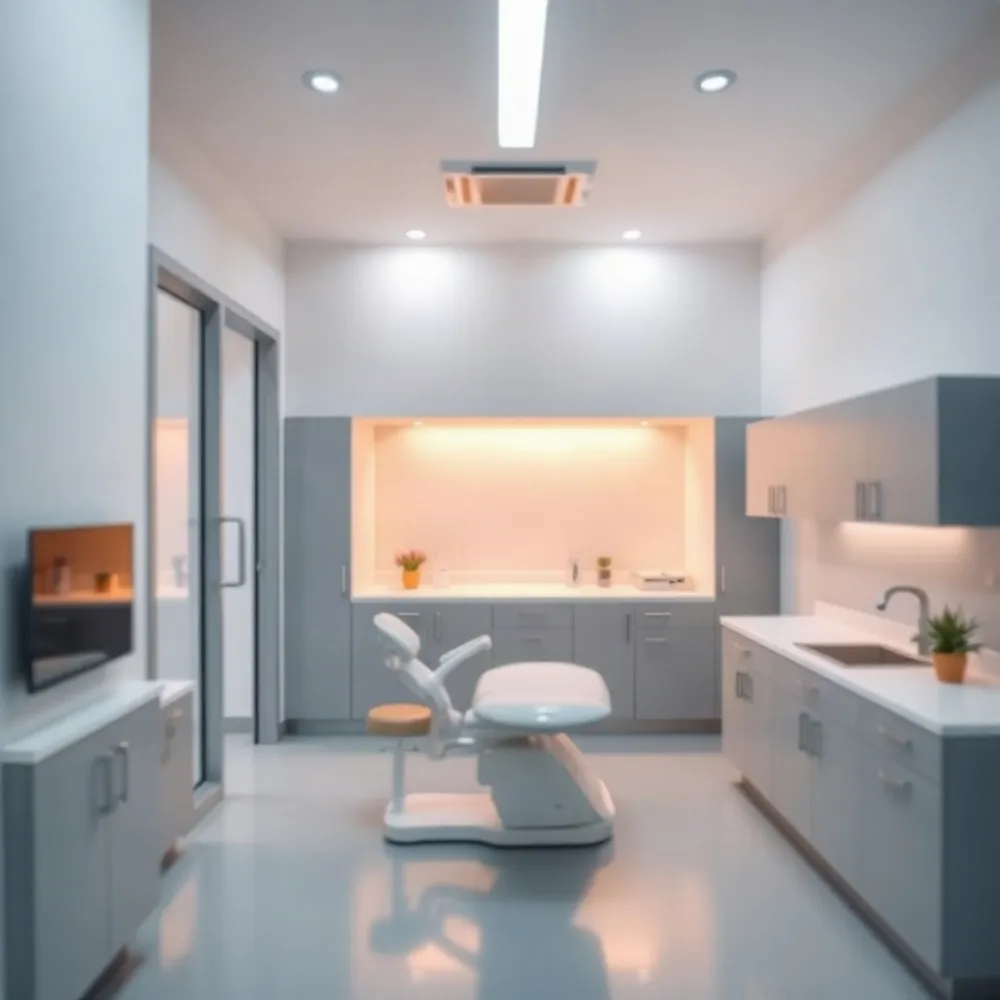 Many patients are unaware that their routine dental visit serves as a vital screening point for systemic health issues. While a dentist does not formally diagnose conditions like obstructive sleep apnea (OSA), they are frequently the first providers to spot the warning signs. According to the American Dental Association, dentists can identify high-risk patients by evaluating anatomical markers and reviewing a patient's reported symptoms.
What are the common symptoms of sleep apnea, and can a dentist identify them during a routine exam?
Common symptoms of sleep apnea include loud snoring, morning headaches, dry mouth, excessive daytime fatigue, and frequent breathing interruptions or gasping during sleep, per Dental Health. During a standard examination, a dentist may notice specific oral indicators, such as worn tooth surfaces from bruxism, a scalloped tongue, enlarged tonsils, a high arched palate, or a recessed jaw. These structural cues often point toward restricted airway space.
Advanced diagnostic tools provide further clarity. Many modern practices use 3D imaging to visualize airway anatomy, allowing the dentist to see exactly where structural narrowing occurs. As noted in a 2022 PMC study, the use of clinical assessment tools like the Mallampati index helps categorize the risk profile of the patient's throat anatomy. If these physical signs are present, your dental team will coordinate with your physician or a sleep specialist to facilitate a formal diagnosis and a comprehensive treatment plan tailored to your needs.
How Sleep Disordered Breathing Damages Your Teeth and Gums
 Obstructive sleep apnea (OSA) affects over 80% of sleep-related breathing disorder cases in the United States per the ADA. This condition often triggers chronic mouth breathing throughout the night, which significantly reduces saliva production—a condition clinically known as xerostomia as noted by the NIH. Saliva serves as a natural defense mechanism for your mouth, essential for neutralizing bacterial acids and washing away food particles per Dental Health.
When your mouth stays dry for extended periods, the resulting lack of saliva creates an ideal environment for bacteria to flourish. This elevation in oral acidity directly contributes to a higher risk of tooth decay and enamel erosion. At Tigani Family Dentistry, our clinical experience confirms that untreated snoring and sleep-disordered breathing are frequent precursors to persistent gum disease. Chronic inflammation in the oral cavity can exacerbate periodontal issues, potentially leading to tissue loss and gum recession that requires specialized care.
Beyond cavities and decay, the structural strain of breathing interruptions often leads patients to develop bruxism, or teeth grinding. The mechanical force of clenching creates abnormal wear on the enamel and can place significant stress on the temporomandibular joint (TMJ). While other practices might address these symptoms in isolation, the team at Tigani Family Dentistry takes a comprehensive approach. We integrate routine airway screenings into our preventive exams to identify the root causes of these dental issues, ensuring that your treatment plan protects both your teeth and your respiratory health.
Dental Solutions for Snoring and Airway Management
What role do dentists play in treating snoring and obstructive sleep apnea?
Dentists act as a vital link in the multidisciplinary management of snoring and obstructive sleep apnea, or OSA. During routine oral examinations, practitioners can identify structural indicators like a high palate, enlarged tonsils, or bruxism that frequently correlate with airway obstruction. When clinicians suspect sleep-disordered breathing, they often collaborate with medical sleep specialists to secure a formal diagnosis. For patients who struggle to tolerate traditional positive airway pressure therapy, dentists provide effective alternatives through the design and maintenance of custom-fitted oral appliances.
What is a mandibular advancement device, and how does it compare to a CPAP machine?
A mandibular advancement device is a custom-fitted oral appliance designed to shift the lower jaw forward, which pulls the tongue away from the back of the throat to keep the airway clear during sleep. These devices offer a compact, hose-free alternative to a continuous positive airway pressure machine. While a traditional machine uses pressurized air to prevent collapse, many patients find custom oral appliances more comfortable and portable for long-term use. At Tigani Family Dentistry, we evaluate your specific oral anatomy to determine if this personalized approach provides the necessary support to improve your rest and overall systemic health.
Is dental treatment for sleep apnea generally covered by health or dental insurance?
Most insurance providers classify custom-fitted oral appliances as durable medical equipment rather than standard dental services, meaning coverage typically falls under your medical insurance plan. To secure benefits, you generally require an official diagnosis of obstructive sleep apnea from a physician following a clinical sleep study. Some insurers require documented proof that you have attempted or were unable to tolerate a machine-based therapy first. Because coverage policies vary by provider, we encourage patients to contact their medical insurance carrier directly to verify their specific benefits for sleep therapy.
Exploring Long-Term Strategies for Better Sleep and Oral Health
Achieving restful sleep and optimal oral health often requires a dedicated, long-term plan that extends beyond simple nightly routines. Because conditions like obstructive sleep apnea can stem from anatomical factors or systemic health issues, managing them frequently involves a multidisciplinary approach. At Tigani Family Dentistry, our team works closely with sleep specialists to coordinate care, ensuring that diagnostic findings from oral exams are integrated into a patient's broader medical strategy.
Are there permanent solutions or new medical procedures available to stop chronic snoring?
While there is no single cure-all, several effective medical procedures and long-term strategies exist for chronic snoring depending on the underlying cause. Physicians often recommend oral appliance therapy, where a custom-fitted device repositions the jaw or tongue to keep the airway open during sleep per the ADA. For those with specific structural issues, surgical interventions can permanently improve airflow by reshaping throat or nasal tissues.
- Maintain a healthy weight to reduce pressure on the airway.
- Practice positional therapy, such as sleeping on your side instead of your back, to prevent tissue collapse per the Dental Health Foundation.
- Avoid alcohol and sedatives before bed to keep throat muscles from over-relaxing.
- Consult your dentist about potential dental sleep therapy to address jaw or tongue positioning.
Because snoring can be a warning sign for serious systemic conditions, a comprehensive sleep evaluation remains the gold standard for determining your best path forward. Whether you require conservative oral appliance therapy or a referral for surgical intervention, your dental provider acts as a vital partner in maintaining both your airway integrity and your long-term oral health.
Partnering With Your Dentist for Restorative Sleep
Professional dental screening is essential because your oral anatomy often holds the first clues to underlying breathing disorders. By identifying markers like bruxism or a high palate, dentists provide a unique perspective on systemic health that often goes undetected.
At Tigani Family Dentistry, our team emphasizes personalized care, integrating sleep-disordered breathing awareness into every routine exam. If you experience daytime fatigue or morning headaches, we invite you to discuss these concerns during your next visit to ensure your airway health is prioritized.
Taking proactive steps to address snoring and airway obstruction improves your overall quality of life. Protecting your sleep is a commitment to your long-term health, and our team is ready to support your journey toward more restful nights and vibrant days.