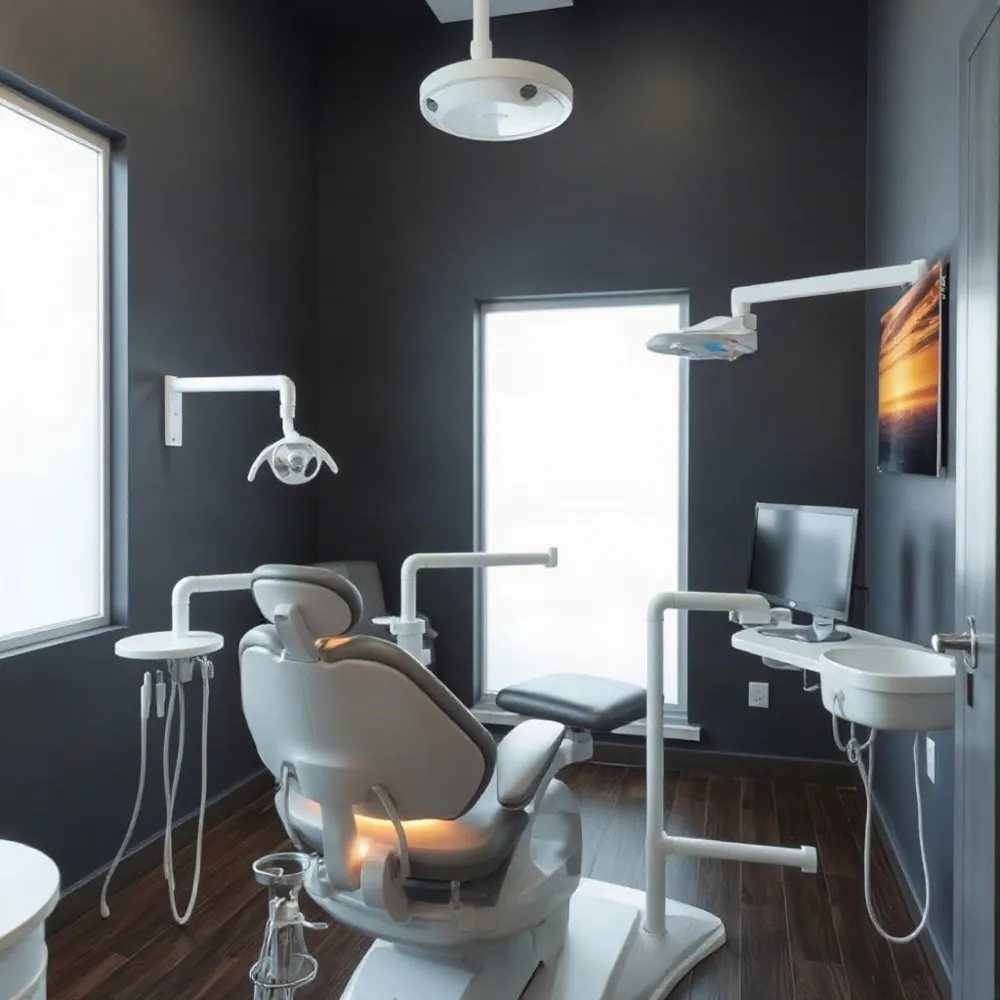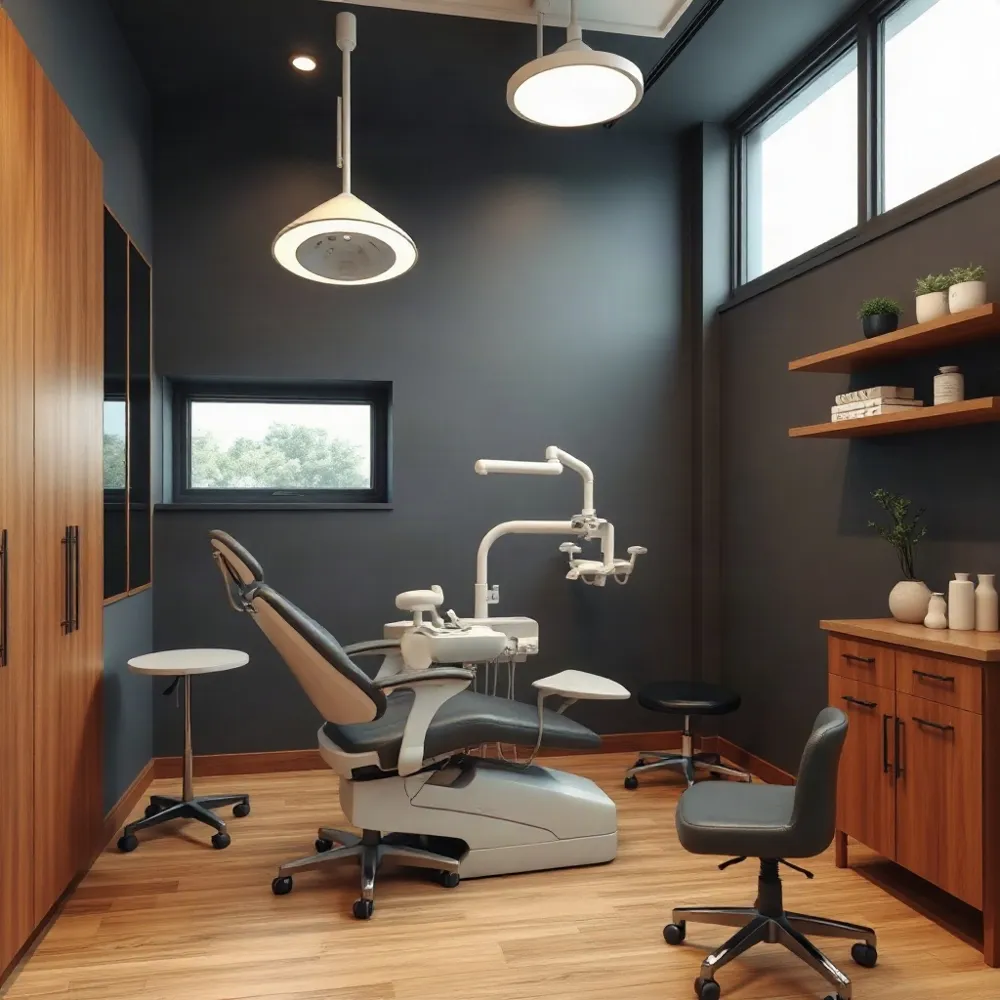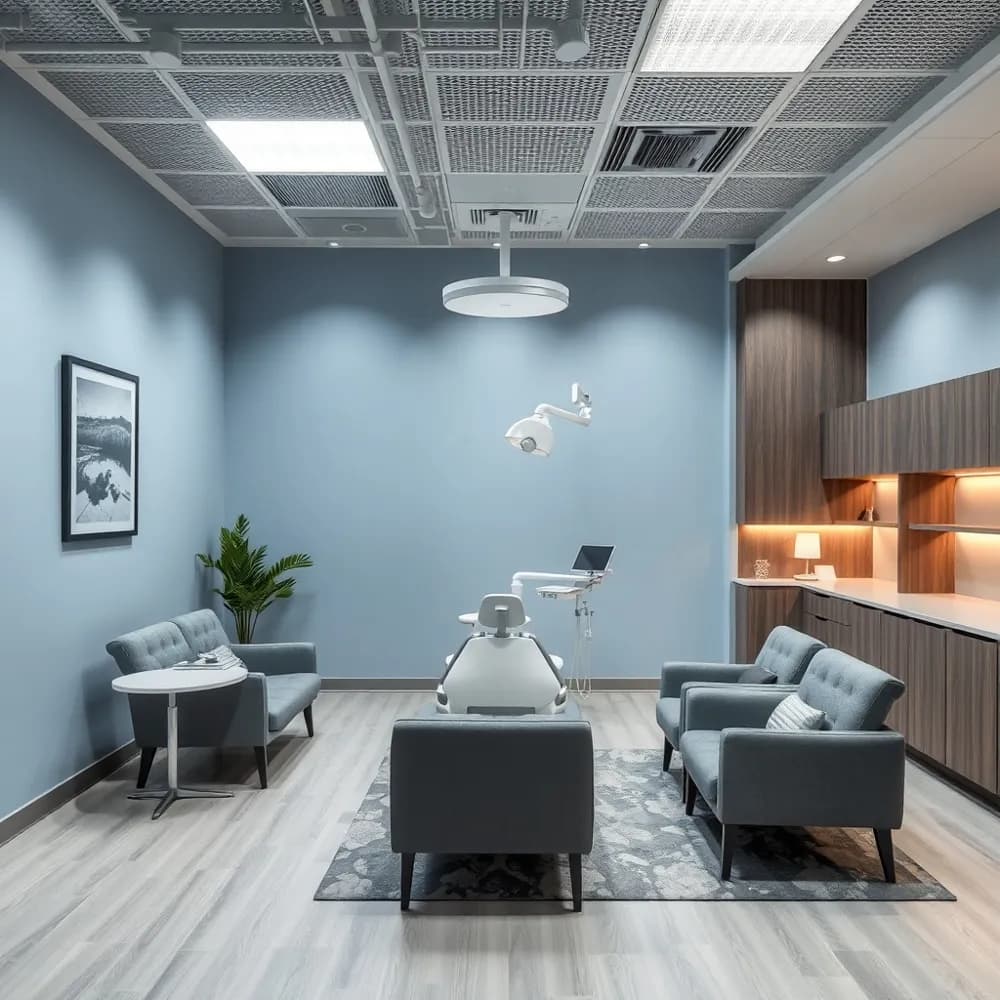
Prioritizing Patient Comfort at Tigani Family Dentistry
Dental anxiety is a widespread challenge, with research indicating that apprehension affects between 50% and 80% of U.S. adults. Data from the National Institutes of Health shows that approximately 20% of the population experiences significant enough fear to complicate clinical care, while 5% suffer from severe dental phobia. This persistent anxiety often leads individuals to avoid routine visits, permitting minor issues to escalate into advanced conditions like infections or periodontal disease.
At Tigani Family Dentistry, our Wilmington, DE, practice addresses these barriers by integrating sedation dentistry into a personalized care model. We know that fear of pain or sensory sensitivities can hinder even essential procedures, and our team utilizes specialized sleep-related therapies to restore comfort during treatment. By managing stress through tailored sedation, Tigani Family Dentistry ensures that patients remain calm and responsive, or drift into a peaceful state, when facing complex restorations.
Sedation dentistry goes beyond emotional relief by enhancing procedural efficiency, allowing the clinician to complete significant restorative work during a single visit. As noted by the Cleveland Clinic, these methods provide a controlled way to manage anxiety, needles, or strong gag reflexes safely. This approach helps Tigani Family Dentistry maintain a supportive environment for families who might otherwise delay necessary care due to past distress.
Understanding Dental Anxiety and Overcoming Clinical Barriers
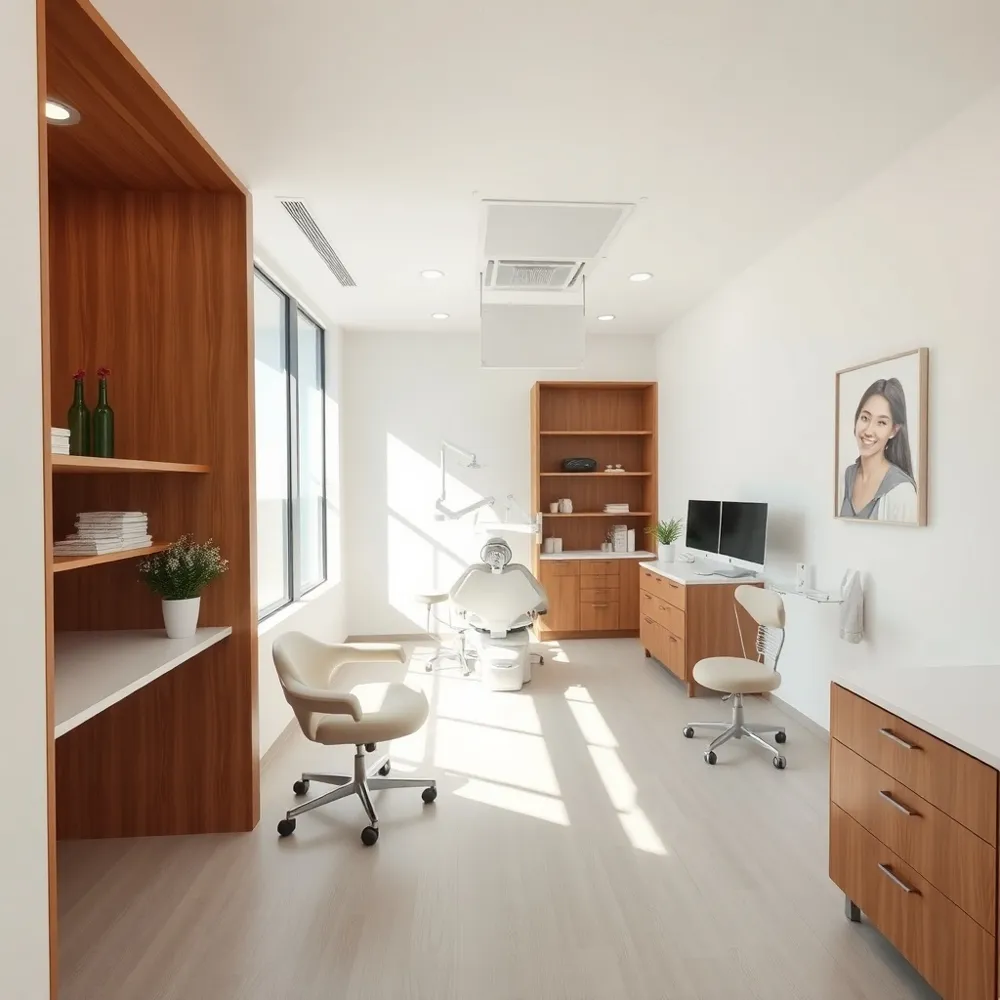 Dental anxiety is a common form of fear, stress, or apprehension triggered by the dental environment, specific procedures, or the use of tools like drills and needles. Research suggests that dental anxiety affects between 50% and 80% of U.S. adults, while 12% suffer from severe dental phobia. Common triggers for this apprehension include fear of painful injections, the sharp whine of a drill, and the distinctive smell of clinical chemicals. Tigani Family Dentistry understands these realities and addresses them by prioritizing an environment where your preferences and comfort guide every phase of care.
When feelings of fear are left unmanaged, patients often begin a cycle of avoidance. Data indicates that between 9% and 30% of the U.S. population avoids necessary dental visits due to such fears. This, according to StatPearls, is the primary driver of preventable oral health decline. Neglecting routine checkups allows minor conditions like small cavities or early stage gum irritation to escalate into complex infections or substantial tooth loss. Regular maintenance is far more predictable and less invasive than treating advanced clinical issues, which is why creating a comfortable foundation is so essential.
At Tigani Family Dentistry, our patient-centered approach revolves around removing the emotional barriers that stand in the way of your health. We recognize that everyone has a unique threshold for sensation and stress. By offering personalized treatment plans that combine compassionate communication with advanced anxiety-management protocols, we ensure that you can stay relaxed and informed throughout your visit. For those requiring deeper support, we offer various sedation dentistry methods tailored to your specific medical history and comfort levels.
- What is dental anxiety, and how do dentists help patients overcome it?
- Dental anxiety is a common form of fear, stress, or apprehension triggered by the dental environment, specific procedures, or the use of tools like drills and needles. When these feelings become severe enough to cause a patient to avoid necessary care, it can be classified as a dental phobia. At Tigani Family Dentistry, we overcome these barriers by fostering a patient-centered, compassionate environment that prioritizes your comfort and peace of mind. We utilize a variety of non-pharmacological approaches to help you feel at ease and offer effective sedation options to ensure a relaxing, stress-free appointment. Our goal is to partner with you to manage your anxiety so that you can receive the essential, high-quality dental care you deserve.
The Four Distinct Levels of Sedation Dentistry
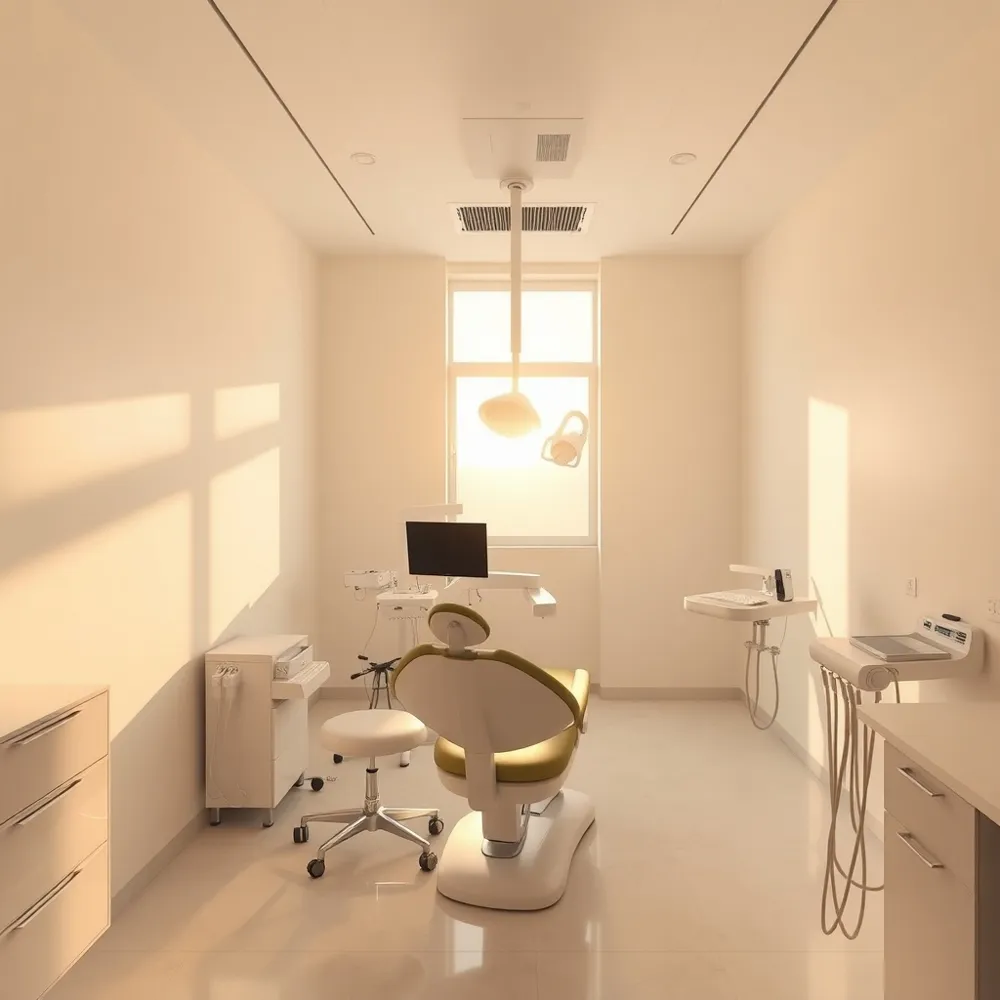 Sedation dentistry exists on a spectrum designed to match specific clinical requirements to a patient's comfort level. This approach allows providers to manage anxiety while maintaining safety, ranging from mild relaxation to total unconsciousness as defined by the Cleveland Clinic.
Minimal Sedation. Usually administered via nitrous oxide, this light level of relaxation helps patients remain calm while fully awake and alert. Because the effects wear off quickly, it is often a convenient choice for shorter appointments.
Moderate Sedation. Frequently achieved through oral medication, this level induces a deeper state of relaxation. Patients often feel significant drowsiness and may experience gaps in memory regarding the duration of their treatment.
Deep Sedation. Often called twilight sleep, this state is typically delivered intravenously. Patients remain on the edge of consciousness and responsive to physical stimulation or verbal commands, though they rarely recall the event per StatPearls reports.
General Anesthesia. The deepest form of sedation renders the patient completely unconscious. Reserved for complex surgical cases, this requires advanced monitoring throughout the procedure to ensure respiratory stability.
At Tigani Family Dentistry, our clinical team evaluates your specific medical history and anxiety level to recommend the most appropriate depth. While minimal sedation keeps you conversational and able to drive yourself home, deeper sedation levels such as IV administration require a dedicated escort for your safety post-procedure. Regardless of the chosen level, we pair sedation with local anesthesia to ensure adequate pain control, as sedatives focus primarily on managing stress rather than blocking pain signals as noted by the NIH.
Pharmacological Agents for Oral and IV Sedation
 For patients requiring moderate to deep relaxation, dentists select specific pharmacological agents that offer both anxiolytic and sedative properties. The most frequent choices fall into the class of benzodiazepines, which are favored for their safety profile and ability to quiet the central nervous system. These medications effectively bridge the gap between simple anxiety reduction and a profound state of comfort often described as twilight sleep.
What types of medication are typically used for oral and IV sedation?
For oral conscious sedation, practitioners often prescribe triazolam, lorazepam, or zaleplon to help patients achieve a drowsy, calm state about an hour before their treatment begins. Pediatric care sometimes utilizes liquid midazolam as an alternative. When IV sedation is required for deeper control during complex procedures, the specific drug choice changes to agents like midazolam or propofol. These are delivered directly into the bloodstream, allowing for near-instant control and the benefit of anterograde amnesia, which often leaves patients with little memory of the appointment.
At Tigani Family Dentistry, our process begins with a thorough medical history and clinical assessment to determine the most appropriate agent for your unique health profile. Unlike generalized practices that might rely on a one-size-fits-all approach, we calculate dosages based on your specific anxiety levels and the complexity of the planned restorative work. This precise tailoring ensures that whether we utilize oral agents or deeper IV methods, the sedation remains effective while maintaining your safety. Should a reversal agent be necessary, we maintain access to flumazenil to provide an added layer of safety.
Ensuring Painless Procedures Through Combined Anesthesia
A common point of confusion for patients is assuming that medication for relaxation also serves to eliminate physical pain. In reality, conscious sedation focuses primarily on reducing stress and anxiety, while local anesthesia is required to block pain signals from the treatment area. Because sedative agents do not provide adequate analgesia on their own, dental professionals must use both to ensure a complete, pain-free experience.
Will I feel pain during sedation dentistry?
No, you should not feel pain during your dental procedure with sedation. While sedation methods are designed to help you reach a state of deep relaxation and ease anxiety, they are typically used in combination with local or topical anesthetics to ensure the treatment site is completely numbed. This dual approach means that while you remain comfortable and calm, often with little to no memory of the procedure, your dentist still uses targeted numbing agents to prevent any physical sensation of pain. Our team at Tigani Family Dentistry will work with you to determine the appropriate level of sedation to ensure your experience is as comfortable and stress-free as possible. You will remain conscious and able to communicate throughout your care, ensuring your needs are met while you remain in a fully relaxed state.
- Sedation manages patient anxiety and involuntary muscle tension.
- Local anesthesia provides necessary numbness at the injection or surgical site.
- The combination allows for improved procedural flow and higher clinical efficiency.
Procedural Expectations for Safety and Recovery
For patients seeking relief from dental anxiety, IV sedation provides a deep state of relaxation that makes complex procedures manageable. During the appointment, you will likely drift into a dream-like state while remaining conscious and responsive to your care team. Providers at Tigani Family Dentistry prioritize patient safety by employing real-time monitoring of vital signs, including blood pressure, heart rate, and oxygen levels, throughout the entire duration of your treatment.
What should I expect during and after IV sedation dentistry?
During your procedure, the dental team maintains clinical vigilance to ensure your physiological stability. Once the work is complete, you may initially feel groggy, and it is common to have little to no memory of the treatment afterward. Because the sedative effects last long after you leave the chair, you must arrange for a trusted adult to drive you home. Your reflexes and decision-making capabilities remain temporarily impaired for the duration of the 24-hour window following moderate or deep sedation.
Recovery planning is a critical step in your care. For the full 24 hours post-procedure, you should avoid operating heavy machinery, driving, or making important legal decisions. It is recommended to have a friend or family member remain with you for several hours today until the medication has fully subsided. Tigani Family Dentistry emphasizes these safety protocols to ensure that your experience is as comfortable and secure as possible, helping you return to your daily routines safely.
Safety Standards, Insurance Coverage, and Costs
Dental sedation is a highly regulated practice centered on rigorous safety protocols. Before any sedative agent is administered, practitioners must conduct a thorough medical history review and a physical status assessment, such as the American Society of Anesthesiologists classification, to ensure patient stability. During the procedure, the presence of specialized equipment and trained personnel is mandatory to monitor vital signs like heart rate and blood pressure continuously. At Tigani Family Dentistry, these safety measures are personalized to match each patient's specific health profile and anxiety levels.
Insurance coverage for these services often presents a challenge because many providers classify sedation as an elective comfort service rather than a medical necessity. While some plans may offer partial reimbursement for milder options, coverage for deeper methods like IV sedation is frequently limited. Tigani Family Dentistry provides detailed guidance to help patients verify their specific insurance benefits, ensuring transparency before starting any treatment. We encourage patients to discuss these coverage options to better understand the potential out-of-pocket considerations.
Budgeting for advanced sedation requires accounting for the specialized resources involved, including the necessary clinical training, advanced monitoring technology, and additional staffing to maintain patient safety. While these services carry higher costs than conventional routine care, they allow for increased clinical efficiency by condensing complex restorative work into fewer visits. At Tigani Family Dentistry, we focus on balancing this personalized care with clear information regarding the investment required, helping you feel informed and supported throughout your treatment journey.
Enhancing Clinical Efficiency for Your Oral Health
Sedation dentistry transforms the patient experience by enabling the completion of complex or multiple restorative treatments in a single visit per the Cleveland Clinic. At Tigani Family Dentistry, this consolidated approach minimizes the number of office appointments required, making it easier for even the busiest patients to prioritize their health. By removing the obstacles of anxiety and physical tension, clinicians can focus on high-quality care with greater precision.
Regular dental maintenance remains the most effective defense against escalating oral health conditions. When patients feel relaxed, they are significantly more likely to maintain consistency with routine checkups and preventive services. Tigani Family Dentistry provides personalized sedation solutions designed to turn taxing visits into manageable sessions, supporting long-term wellness for families throughout Wilmington.
Each patient’s needs are unique, ranging from mild relaxation to deeper sedative states. If you struggle with apprehension or require restorative work, contact Tigani Family Dentistry to discuss which comfort options best align with your medical history and clinical goals for a more relaxed dental journey.