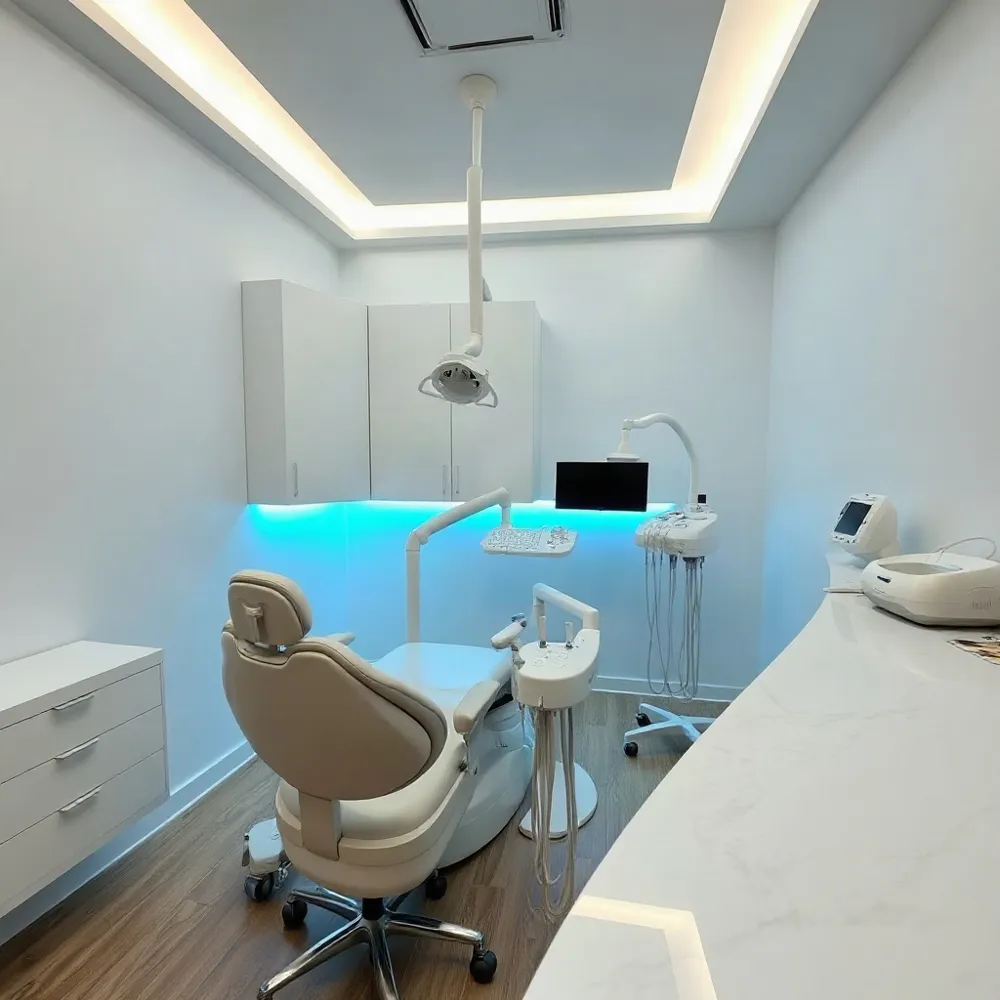
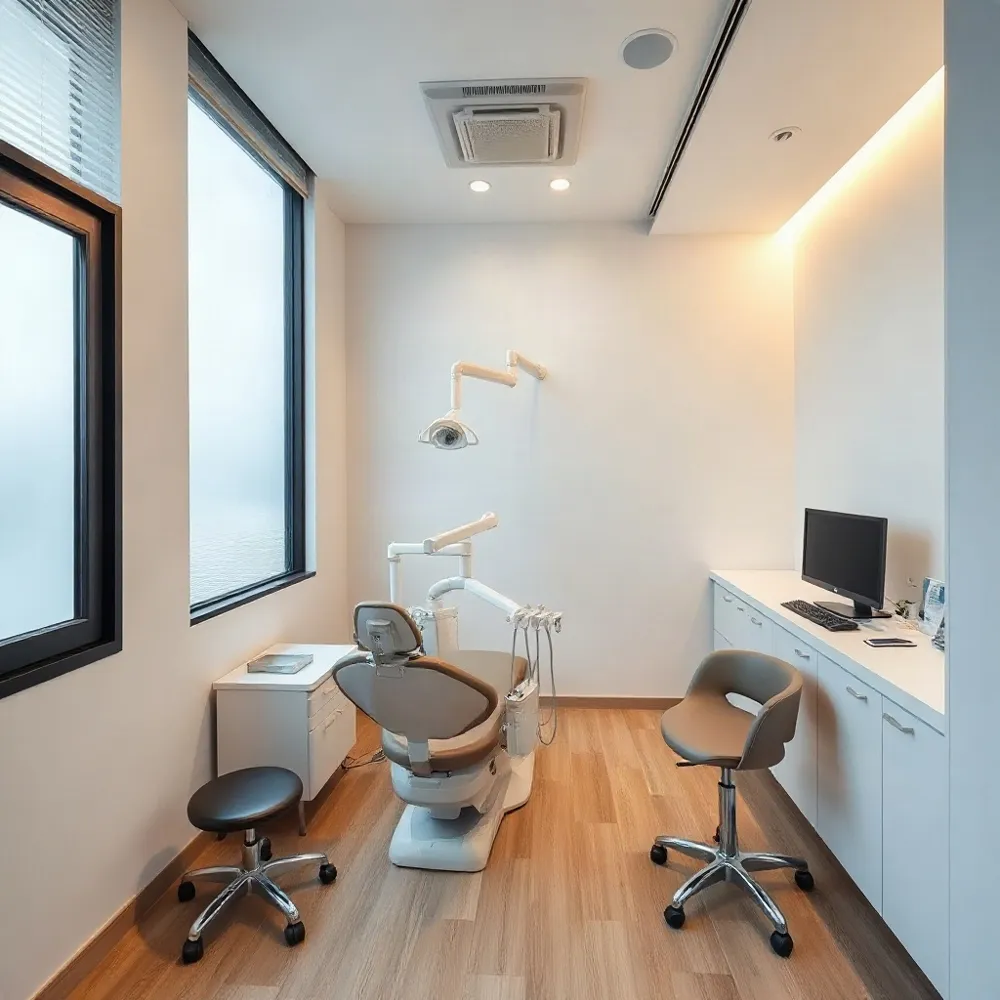
Why Sleep Dentistry Matters
Sleep (sedation) dentistry uses safe medications—such as nitrous oxide, oral sedatives, or IV agents—to calm patients while they remain conscious during dental work. Many people worry about anxiety, a heightened gag reflex, pain, or the ability to sit still for lengthy procedures; these concerns often prevent needed care. Sedation addresses these fears by reducing stress, providing pain control, and creating a relaxed environment that can even induce short‑term memory loss of the visit. It enables the dentist to complete complex or multiple treatments in a single appointment, improves overall treatment efficiency, and encourages regular dental attendance, leading to better long‑term oral health outcomes.
Understanding Sleep Dentistry and Its Benefits
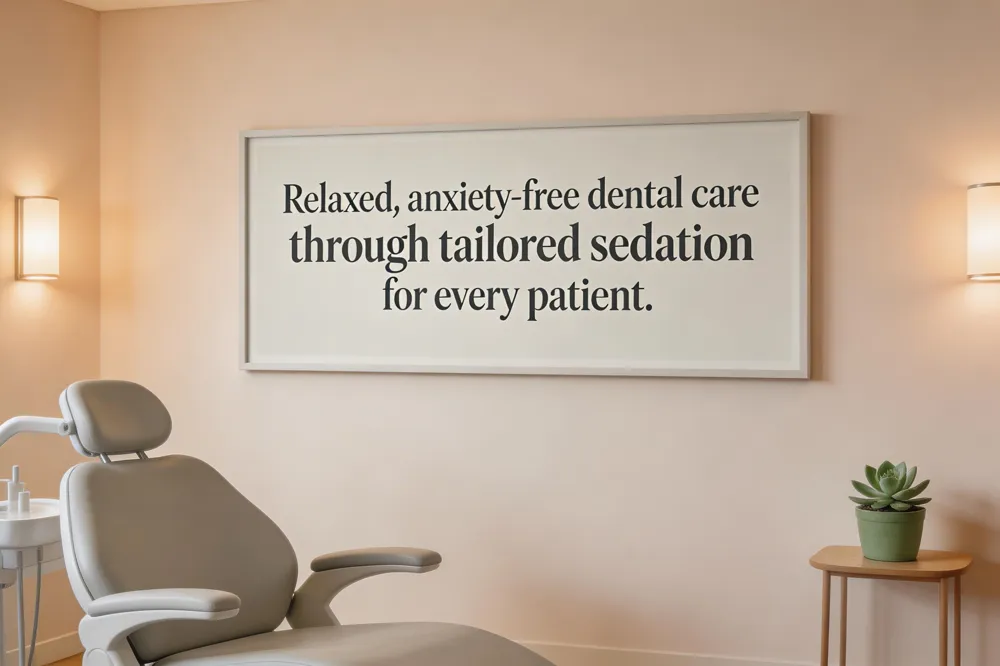 Sleep (sedation) dentistry offers a spectrum of sedation levels—nitrous‑oxide inhalation, oral conscious sedatives, and intravenous (IV sedation)—each delivering rapid, controllable relaxation while keeping the patient safe and responsive. By tailoring the depth of sedation, dentists can ease dental anxiety, suppress the gag reflex, and provide effective pain control, allowing patients—especially those with phobias, PTSD, or special‑needs conditions—to undergo treatment without fear.
The calming effect of sedation improves treatment efficiency. With the patient comfortably still, the dental team can complete lengthy or complex procedures—such as multiple restorations, implants, or custom oral‑appliance fabrication for sleep‑apnea—in fewer visits, reducing overall chair time and the need for repeat appointments. Many patients experience anterograde amnesia, leaving little or no memory of any discomfort, which enhances satisfaction and encourages regular dental care.
What are the benefits of sleep dentistry? Sleep dentistry also called IV or sedation dentistry, lets patients feel completely relaxed and often drift into sleep, eliminating anxiety and fear during dental visits. The level of sedation can be customized, allowing the dentist to adjust depth for comfort and safety. Because the medication works quickly, appointments start promptly and the patient remains still, enabling the dental team to work more efficiently and complete complex procedures faster. It also provides pain control and often produces amnesia, so patients may have little or no memory of any unpleasant sensations. Overall, sleep dentistry improves the patient experience, reduces stress, and helps ensure high‑quality, uninterrupted care for families and individuals alike.
Is sedation dentistry worth it? Sedation dentistry is worth it for patients whose anxiety, gag reflex, or sensitivity would otherwise prevent them from receiving needed dental care. By using nitrous‑oxide, oral conscious sedation, or IV sedation, Tigani Family Dentistry can keep you comfortable and pain‑free while you remain responsive, often turning a stressful visit into a calm experience. The temporary memory loss and reduced discomfort can make lengthy or invasive procedures—such as orthodontic work, restorative treatments, or sleep‑apnea appliances—more manageable, especially for children or those with special needs. While there are minor side‑effects like drowsiness or nausea and an added cost, the benefits of completing essential care in a single, stress‑free appointment usually outweigh these drawbacks. Ultimately, if dental fear has kept you away from the dentist, sedation is a safe, effective option that helps protect your oral health and overall well‑being.
Oral Appliance Therapy: A Non‑Surgical Solution
 Sleep dentistry has become a cornerstone for treating obstructive sleep apnea (OSA) without surgery. The most common device is a mandibular advancement device (MAD), which gently pushes the lower jaw forward, pulling the tongue away from the airway and keeping the airway open throughout the night. Because the appliance is custom‑made from digital impressions or 3‑D scans, it fits precisely and can be adjusted in the clinic’s in‑house lab for optimal comfort and effectiveness.
How mandibular advancement devices work MADs reposition the mandible by a few millimeters, which in turn moves the tongue and soft tissues forward, enlarging the airway. This simple mechanical action reduces the frequency of apneas and hypopneas by 50‑70% in mild‑to‑moderate OSA, improves oxygen saturation, and often eliminates snoring.
Customization and in‑house fabrication Practices such as Tigani Family Dentistry fabricate the appliance on site, allowing same‑day creation and rapid adjustments. A digital scan captures the exact tooth anatomy, and the lab produces a hard‑plastic device with a micro‑adjustable hinge that can be titrated in 0.5‑mm increments during follow‑up visits.
Effectiveness for mild‑to‑moderate OSA Clinical studies consistently show that custom‑fitted oral appliances lower the apnea‑hypopnea index (AHI) by 50‑70% in patients with an AHI of 5‑30. Patients report deeper, more restorative sleep, reduced daytime fatigue, and lower blood pressure. The devices are portable, silent, and can be used in any sleeping position, making them ideal for travelers and for those who cannot tolerate a CPAP mask.
Side‑effects and adjustment period During the first two‑to‑four weeks, users may experience increased salivation, mild jaw discomfort, or temporary bite changes as the mandible adapts. Most side‑effects subside after the device is worn consistently; however, regular dental check‑ups are essential to monitor oral health, adjust the advancement level, and prevent long‑term bite alterations.
Pros and cons of oral appliance for sleep apnea Pros: non‑invasive, no electricity required, discreet, easy to travel with, high patient compliance, and effective for mild‑to‑moderate OSA. Cons: may cause jaw soreness, tooth movement, or bite changes; less effective for severe OSA; requires ongoing dental follow‑up.
Finding a specialist If you search for a “sleep apnea oral appliance dentist near me,” Tigani Family Dentistry in Wilmington, DE offers a board‑certified sleep dentist, in‑house lab fabrication, and coordination with physicians. They accept most PPO insurances, making treatment affordable for families.
Alternative CPAP‑free options Beyond oral appliances, Tigani provides positional therapy tools, lifestyle counseling, and, when needed, referrals for advanced therapies such as tongue‑retaining devices or hypoglossal nerve stimulation. These integrative, non‑pharmacological approaches help patients achieve better sleep without the discomfort of a CPAP mask.
Comprehensive Sleep Apnea Care at Tigani Family Dentistry
 Tigani Family Dentistry in Wilmington, DE offers a seamless, patient‑focused pathway for diagnosing and treating obstructive sleep apnea (OSA). The process begins with a take‑home sleep study, a portable monitor that records breathing, oxygen levels, heart rate and sleep position while patients rest in their own beds. Results are typically available within 2–5 business days, allowing the dentist to promptly discuss findings and treatment options.
For qualified patients, the practice’s in‑house dental laboratory fabricates custom‑made oral appliances—mandibular advancement devices or tongue‑stabilizing devices—on the same day. This rapid turnaround ensures a precise fit, reduces wait times, and supports timely follow‑up adjustments to maximize airway patency and comfort.
Insurance acceptance is broad; most PPO dental plans cover the diagnostic sleep study and a portion of oral‑appliance therapy when a physician’s diagnosis is documented. The staff works with insurers to verify coverage and can offer financing options for any out‑of‑pocket costs, making effective sleep apnea treatment accessible to families.
The patient‑focused care philosophy is embodied by Dr. James V. Tigani, DDS, the founding dentist, and his team—including Dr. James V. Tigani IV and Dr. Kristin M. Tigani‑Taylor—who prioritize comfort, personalized treatment plans, and a calming office environment. Reviews consistently highlight the practice’s friendly staff, calm atmosphere, and high‑quality restorative work, reflecting its commitment to family‑oriented, anxiety‑free dental and sleep‑medicine services.
Integrating Non‑Pharmacological Sleep Support in Dental Practice
 Dental offices can boost patient rest by adding simple, low‑cost sleep‑enhancing measures. Quiet‑time periods, dim lighting, and privacy curtains create a calm environment that reduces nighttime awakenings. Providing ear plugs, eye masks and soothing background music helps block noise and light, while guided imagery or mindfulness recordings promote relaxation before and after procedures. Staff should educate patients on these options and co‑design personalized sleep‑hygiene plans, ensuring comfort preferences are respected. By weaving these non‑pharmacological interventions into routine care, practices improve sleep quality, lower anxiety, and support better overall health outcomes.
Your Path to Restful, Healthy Sleep Starts Here
Schedule a sleep‑medicine evaluation, explore oral appliance therapy or sedation options, leverage the in‑house lab for rapid treatment, and maintain regular follow‑up appointments together to ensure optimal outcomes and lasting sleep health.