A New Era of Dental Efficiency
Modern dentistry has transitioned from multi-visit protocols to efficient chairside solutions, thanks to the integration of Computer-Aided Design and Computer-Aided Manufacturing (CAD/CAM) systems. This technology enables practitioners to capture precise 3D images with intraoral scanners, replacing the uncomfortable, traditional putty-based molds often required in the past.
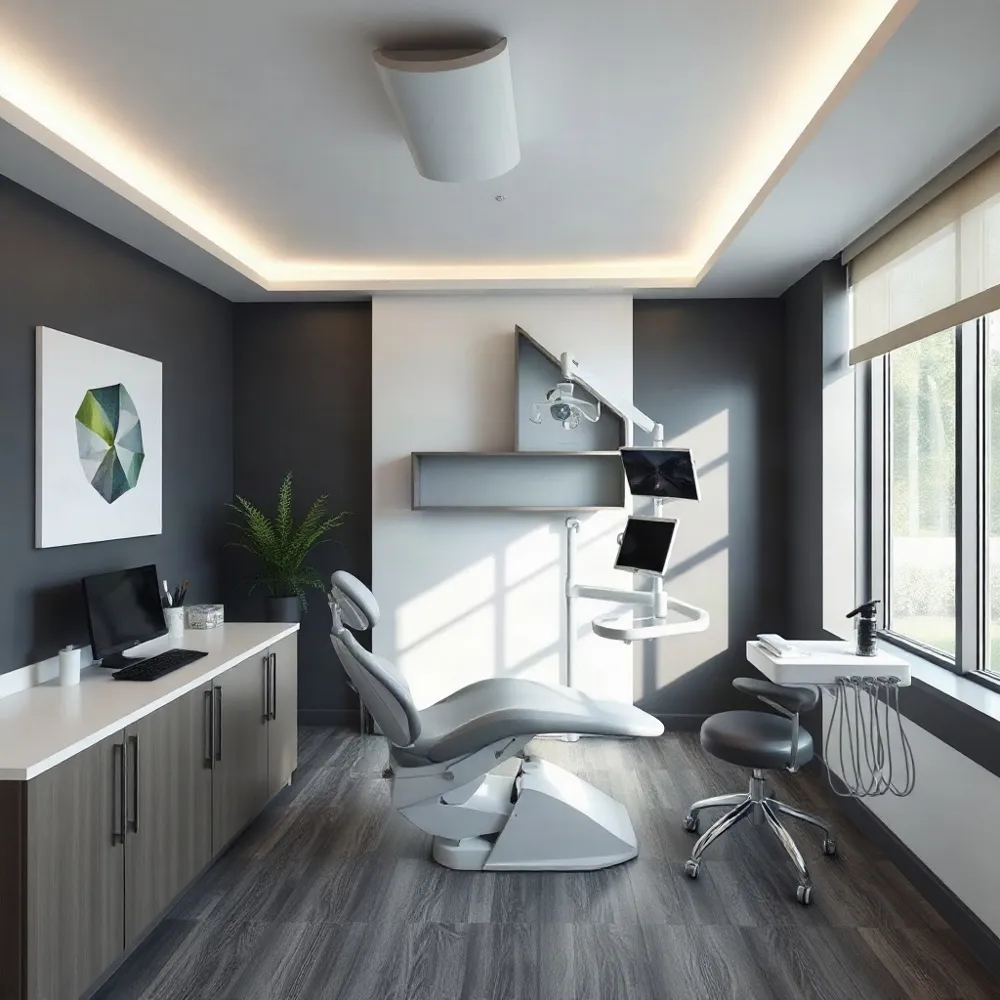
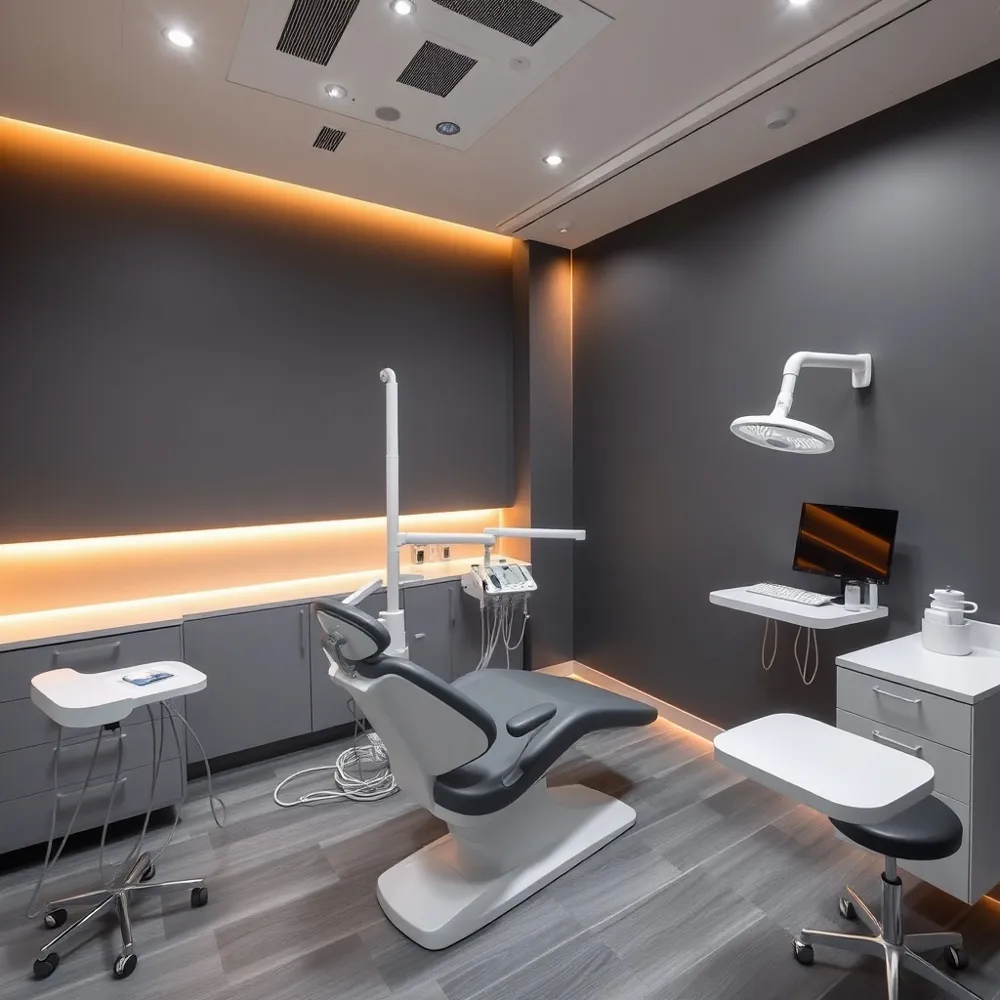
At Tigani Family Dentistry, this digital workflow is central to their restorative process. By maintaining an in-house lab equipped with advanced milling and 3D printing technology, the practice eliminates the standard multi-week waiting period that often forces patients to wear vulnerable temporary crowns. While some providers still rely on external laboratories, the team here completes restorations in a single appointment, providing superior quality control and comfort.
- Elimination of physical impression trays to reduce gag reflex and patient anxiety.
- Real-time digital design allowing for precise shade matching and anatomical customization.
- Use of durable, high-strength materials like zirconia and lithium disilicate for long-term functional stability.
- Significant reduction in total chair time, allowing completion of crowns and bridges in one visit.
Digital Impressions: Comfort and Accuracy
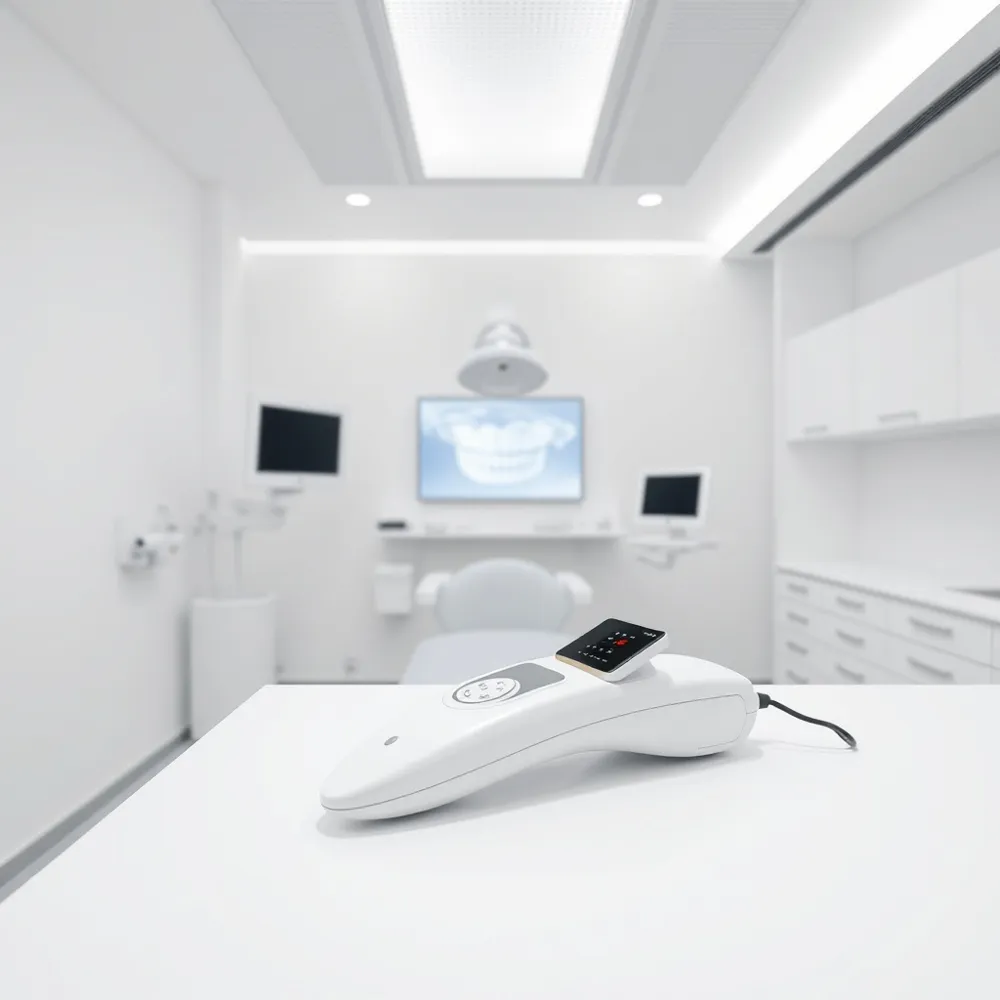 Advancements in digital dentistry have significantly improved the patient experience by replacing traditional putty-based molds with precise intraoral scanners. These handheld devices use optical technology to capture three-dimensional data of the teeth and gums, eliminating the need for bulky trays and messy impression materials that often trigger gag reflexes and anxiety.
What are the key benefits of using intraoral scanners in modern dentistry?
At Tigani Family Dentistry, utilizing modern digital workflows allows our team to achieve greater clinical precision than older, physical casting methods. Our scanners facilitate real-time visualization of the oral cavity, which ensures that complex restorative projects are accurate from the start. By digitizing the impression process, we reduce the need for manual adjustments and eliminate the physical distortion risks associated with traditional mold-making.
- Enhanced diagnostic accuracy through detailed, three-dimensional digital models.
- Increased patient comfort by removing the need for impression putty.
- Improved treatment planning through interactive, real-time visualization.
- Efficient archival of digital files for easier reference during future dental care.
These digital records serve as a permanent foundation for your oral health history. Because the data is stored electronically, it allows for seamless communication between our in-house lab and our clinicians, ensuring that every restoration is designed for a perfect, long-lasting fit.
Computer-Aided Design and Manufacturing in Action
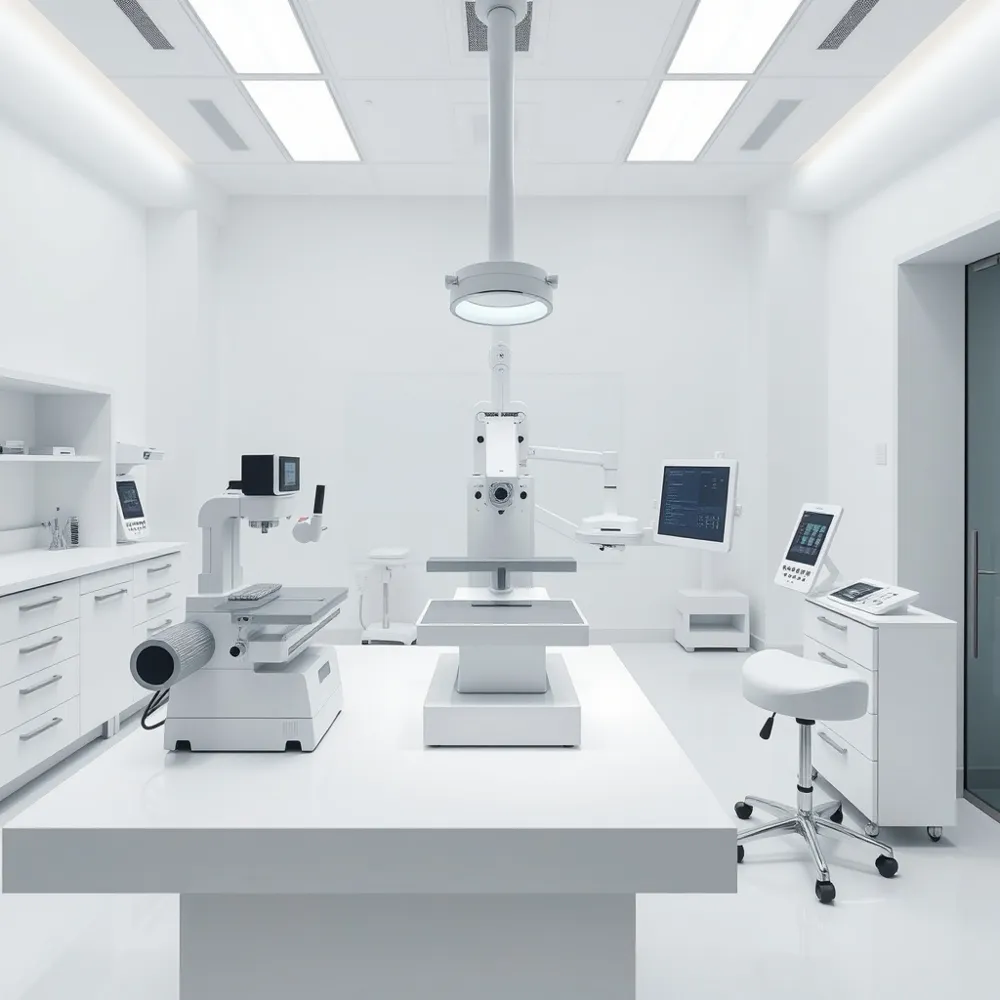 How do dental professionals use CAD/CAM technology in restorative treatments? Dental specialists use CAD (Computer-Aided Design) software to construct patient-specific restorations, appliances, and surgical guides. Once the design is finalized, they utilize CAM (Computer-Aided Manufacturing) technology to fabricate the restoration in-house.
At Tigani Family Dentistry, the integration of an in-house lab allows for rapid production of high-quality crowns and bridges. While some practices must outsource fabrication to external laboratories, creating a multi-week waiting period, this practice utilizes on-site equipment to complete restorations in a single appointment. This approach eliminates the need for temporary crowns, which are frequently prone to shifting or dislodging.
The fabrication process relies on durable, modern materials that mimic the translucency and strength of natural enamel. The team often selects zirconia or lithium disilicate to provide patients with restorations that are both resilient and aesthetically pleasing. These substances are superior to older, metal-based alternatives, offering better biocompatibility and structural integrity for long-term dental function.
- Precision scanning replaces uncomfortable physical putty molds.
- Digital software designs the restoration in real-time with high accuracy.
- Automated milling creates the final piece from a solid ceramic block in minutes.
- Immediate placement of the final restoration removes the necessity of multi-visit return trips.
How Long Do Same-Day Crowns Last?
 When considering the long-term value of a restoration, patients often ask: How long do CAD/CAM restorations, such as crowns, typically last? Research shows that these modern restorations are highly durable, with many lasting between 10 and 20 years or more when properly maintained. The consistency of these results compares favorably to the success rates of traditional laboratory-made crowns.
While the precision of digital design is a major factor in longevity, the actual lifespan of your restoration depends on several personal and clinical variables, including:
- Quality of material, such as high-strength zirconia or lithium disilicate
- Your ongoing oral hygiene habits, including consistent brushing and flossing
- The impact of daily bite forces or habits like teeth grinding
- Frequency of professional dental exams to monitor the crown and surrounding gum health
At Tigani Family Dentistry, we monitor the health and functional stability of your restorations through our integrated digital workflow. By utilizing an in-house lab and advanced CAD/CAM technology, we ensure that every crown is fabricated with precision to minimize fit issues, which often helps protect against the marginal decay common with lower-quality restorations. While some dental offices may use older, less customizable standards, our Wilmington-based team prioritizes long-term outcomes to ensure your smile remains both aesthetic and reliable for years to come.
Enhanced Safety with Digital Technology
The evolution of diagnostic tools has transformed dental safety protocols, moving away from legacy film formats toward efficient, low-radiation digital workflows. Digital technology minimizes procedural risks while enhancing the accuracy of every restoration.
How does digital imaging, such as digital X-rays, improve patient safety?
Digital radiographs provide a significant safety advantage by using up to 90% less radiation compared to traditional film-based X-rays. This reduction directly lowers health risks for both patients and clinical staff. At Tigani Family Dentistry, the integration of digital sensors and high-speed radiography further enhances this standard, reducing patient radiation exposure by 20% to 50% compared to older D-speed film.
Beyond radiation safety, the precision of digital technology contributes to a more secure and predictable clinical outcome. By capturing accurate three-dimensional digital data, clinicians significantly reduce the risk of errors associated with physical impressions, such as margin issues or incorrect occlusion. Research shows that intraoral scanners help reduce crown remakes due to fit issues by 33% and high occlusion by 27%, ultimately decreasing the cumulative time a patient spends in the dental chair.
Modern digital workflows are inherently less invasive than traditional methods. The move to, for instance, in-office milling removes the need for physical molding trays that can trigger a gag reflex or lead to accidental soft tissue irritation. For patients at Tigani Family Dentistry, utilizing these advanced diagnostics means clinical care is managed with superior oversight under one roof, ensuring that every restorative detail is verified for stability and comfort without the hazards once common in restorative dentistry.
Are Same-Day Restorations Right for You?
Are same-day dental restorations, such as crowns or fillings, a viable option? Yes, this technology serves as a reliable solution for many patients who need faster, more convenient treatment than traditional multi-visit protocols allow. At Tigani Family Dentistry, we use advanced CAD/CAM (Computer-Aided Design and Computer-Aided Manufacturing) systems to design and mill permanent crowns directly in our office, eliminating the typical two-week wait and the vulnerability of temporary restorations.
Most single-tooth cases are ideal candidates for this streamlined digital workflow. While patients can often complete their entire restoration in a single 90-minute appointment, not every case matches this model. Complex situations, such as full-mouth rehabilitation or cases requiring extreme bite adjustments, may perform better with traditional, laboratory-fabricated options to ensure the highest level of detail and functional stability.
At www.tiganidentistry.com, we prioritize a personalized approach to your dental health. During your consultation, our team evaluates your specific anatomy and oral health status to determine if you are a candidate for same-day fabrication or if a laboratory-crafted crown is the superior choice for your long-term success.
Your Smile, Restored in One Visit
Modern dentistry offers a transition away from the traditional, multi-visit wait. By integrating CAD/CAM technology directly within their facility, Tigani Family Dentistry simplifies complex restorative treatments into a single appointment. This approach eliminates the inconvenience of temporary crowns that may shift or fail between sessions.
Efficiency does not come at the expense of quality. Digital workflows allow for precise, custom-fitted crowns made from durable, tooth-colored ceramics. At Tigani Family Dentistry, utilizing an in-house lab provides superior control over the final aesthetics and functional fit of each restoration.
By prioritizing personalized care, the practice ensures that every treatment plan meets your specific oral health needs. If you are seeking a comfortable and streamlined solution for a fractured or decayed tooth, you are invited to visit www.tiganistry.com to learn more about our restorative services. Scheduling a consultation is the first step toward achieving a healthy, lasting smile with the convenience of same-day precision.