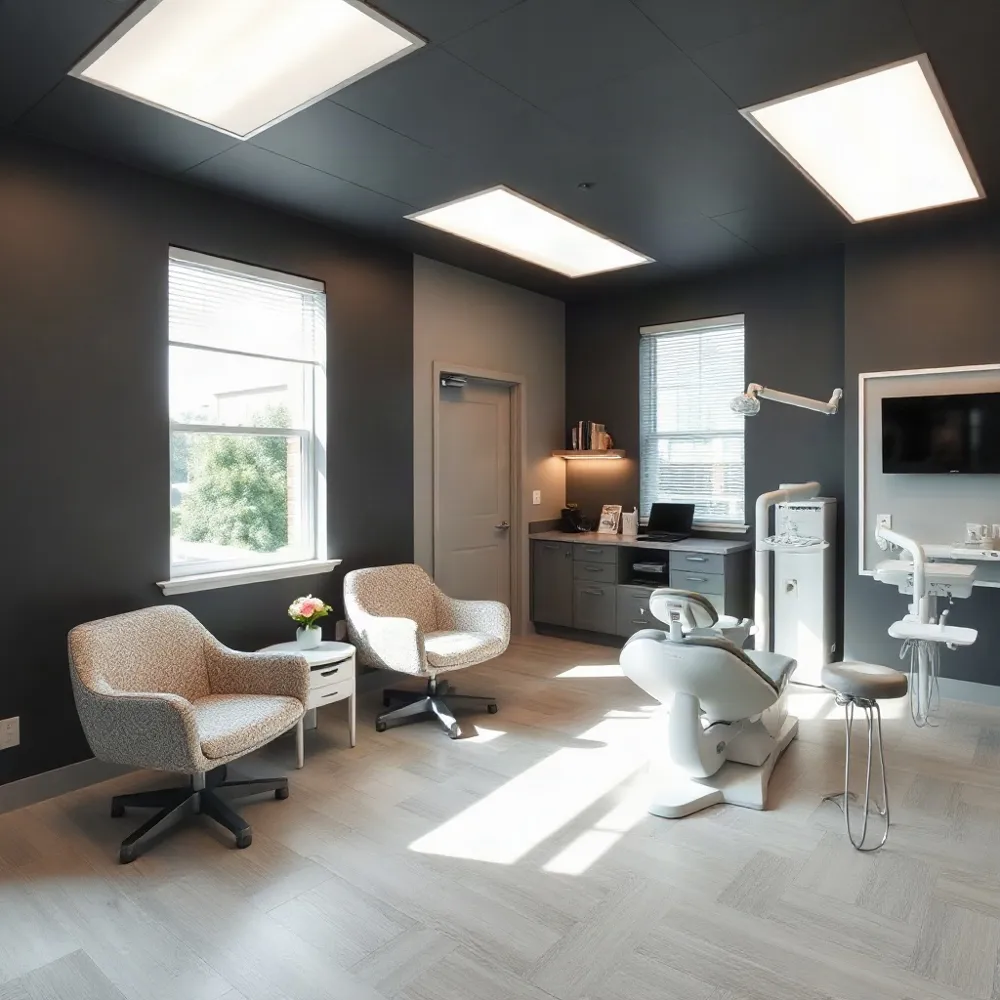
Understanding Preventive Dentistry
Preventive dental care is the systematic approach of keeping mouths healthy before disease develops. It includes routine exams, professional cleanings, X‑rays, fluoride applications and sealants, as well as patient education on brushing, flossing, diet and tobacco avoidance. Regular check‑ups, typically every six months, allow dentists to spot early signs of cavities, gum inflammation, oral cancer and other problems that are far easier and cheaper to treat when caught early. Early detection also means less invasive procedures, lower overall dental costs and fewer emergency visits. Beyond the mouth, oral health is linked to systemic conditions: untreated gum disease contributes to heart disease, stroke, diabetes and respiratory infections, while oral cancer screening saves lives. By maintaining low bacterial load through cleanings and fluoride, preventive dentistry reduces inflammation that can affect the whole body, making it a cornerstone of both oral and general health.
The Foundations of Preventive Dental Care
| Core Services | Home Habits | Benefits |
|---|---|---|
| Routine oral exams, professional cleanings, diagnostic X‑rays, fluoride varnish, sealants | Brush twice daily with fluoride toothpaste, floss nightly, balanced diet, avoid tobacco | Early detection of cavities, gum disease, oral cancer; reduces need for costly restorative work; supports overall health |
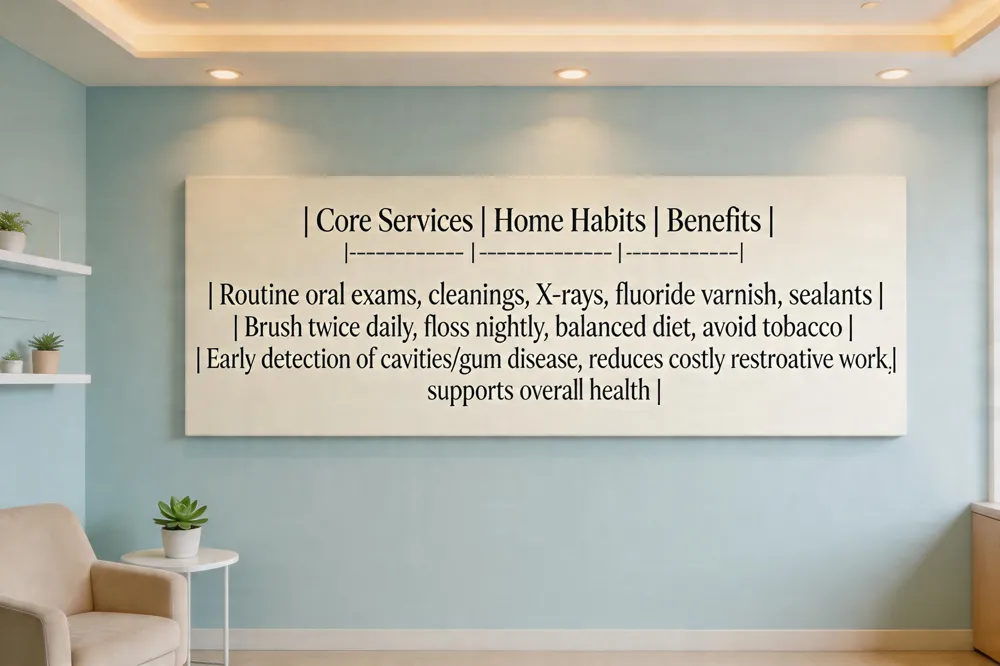 Preventive dental care is a comprehensive approach that combines routine professional services with daily home habits to keep the mouth healthy and stop disease before it starts. Routine oral exams, professional cleanings, diagnostic X‑rays, fluoride treatments, and dental sealants are core services, while brushing twice daily with fluoride toothpaste, flossing, a balanced diet, and avoiding tobacco round at‑home essentials. These measures allow early detection of cavities, gum disease, and oral cancer, often avoiding more extensive and costly restorative work.
Preventive dental care insurance – Most PPO dental plans cover preventive services—exams, cleanings, X‑rays, fluoride varnish, and sealants—at 100 % with no co‑pay or deductible, and they usually do not count toward the annual maximum. This full coverage makes preventive visits an affordable way to protect both oral and overall health. Tigani Family Dentistry accepts most PPO plans and can verify zero‑cost coverage for you.
What insurers classify as preventive – Insurance defines preventive care as any service that helps avoid disease before it begins. This includes routine examinations, professional cleanings, diagnostic imaging, fluoride treatments, dental sealants, and educational counseling on oral hygiene, nutrition, and tobacco cessation. Restorative procedures such as fillings or root canals are not considered preventive.
How Regular Cleanings Keep Your Mouth Healthy
| Frequency | What’s Done | Benefits | Typical Cost |
|---|---|---|---|
| Every 6 months (twice a year) | Prophylaxis (scaling & polishing), plaque/tartar removal, fluoride treatment | Removes hidden plaque, prevents cavities/gingivitis/periodontitis, lowers systemic disease risk, brightens smile | $75‑$200 (often 100 % covered by PPO) |
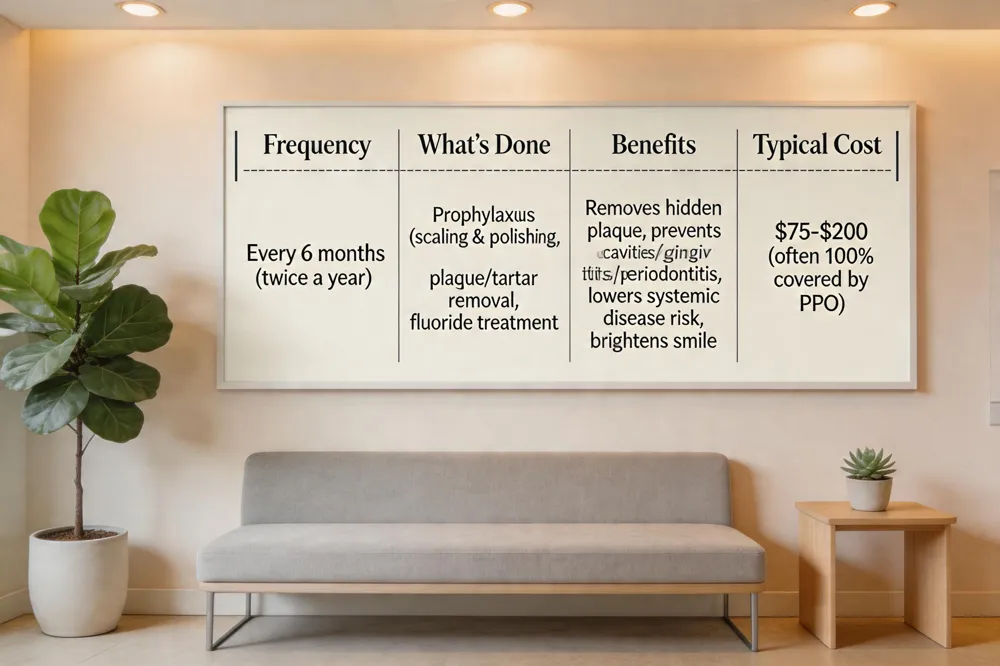 Cleaning of teeth by dentist is called
A professional cleaning performed by a dentist or hygienist is called a prophylaxis, or dental cleaning. Scaling and ultrasonic tools remove plaque and tartar, polishing smooths the enamel, and a fluoride treatment may be applied. This routine preventive visit is typically scheduled twice a year.
Is it good to get regular dental cleanings?
Yes—regular cleanings are essential. They eliminate plaque and tartar that brushing misses, preventing cavities, gingivitis, and periodontitis. By controlling gum inflammation, they also lower the risk of systemic issues such as heart disease, stroke, and respiratory infections.
Benefits of teeth cleaning every 6 months
Every six‑month cleaning removes hidden plaque, prevents decay, and allows early detection of oral cancer or other problems. It brightens the smile, freshens breath, and supports overall health by reducing bacterial load linked to systemic disease.
Teeth cleaning from dentist is good or bad
Professional cleanings are generally beneficial, removing hardened calculus and providing personalized oral‑hygiene guidance. While occasional sensitivity may occur, the procedure is safe and painless for most patients.
Teeth cleaning price
At Tigani Family Dentistry a routine cleaning ranges from $75‑$200. Most PPO plans cover it at 100 % after any co‑pay, often leaving no out‑of‑pocket cost. Deep cleanings cost more, but regular prophylaxis helps avoid those higher expenses.
Cost, Insurance, and Frequency Considerations
| Service | Avg. Cost (USD) | Insurance Coverage | Notes |
|---|---|---|---|
| Preventive exam + cleaning + X‑rays | $50‑$350 (avg $200) | PPO plans 100 % (no deductible) | Self‑pay $100‑$300 annually |
| Deep cleaning (scaling & root planing) | $150‑$400 per quadrant | Partial PPO coverage after co‑pay | Recommended for periodontal disease |
| Sealants (per tooth) | $30‑$60 | Usually 100 % covered | Best on permanent molars |
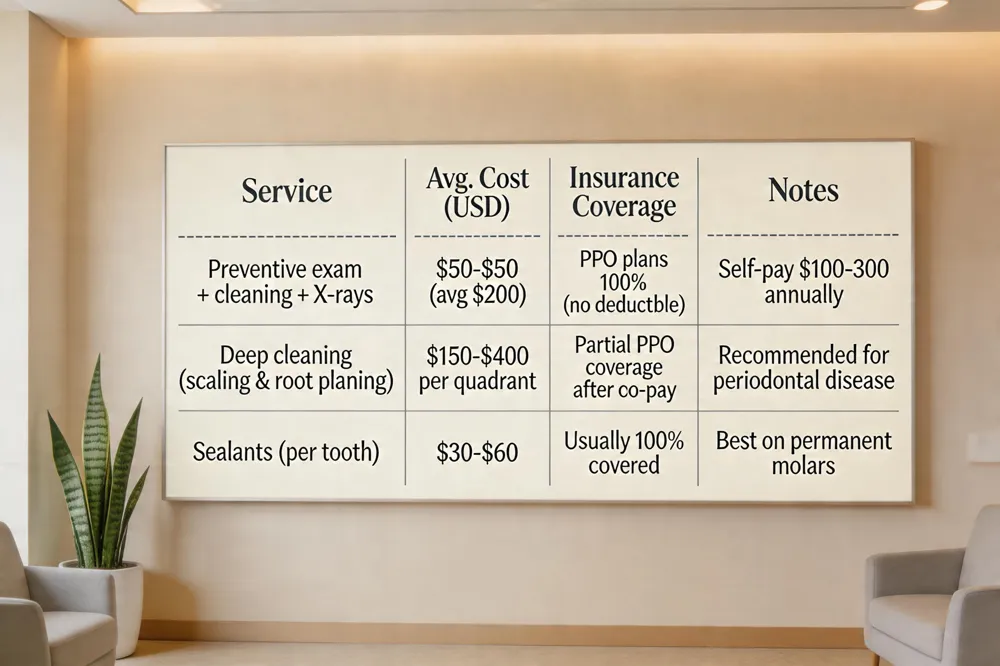 Preventive dental care—routine exam, cleaning, and X‑rays—averages around $200 USD, ranging $50‑$350. In Delaware the typical full preventive visit costs about $207. Most PPO plans cover these services at 100 % with minimal co‑pay, while self‑pay patients pay $100‑$300 annually.
Comprehensive insurance plans cover preventive services plus basic (fillings, extractions) and major work (crowns, implants) at 70‑80 % and 50 % respectively after deductible. Preventive‑only plans focus on exams, cleanings, X‑rays, fluoride and sealants, usually 100 % covered. Families at Tigani Family Dentistry can choose based on expected needs; comprehensive plans protect against higher co‑insurance for restorations.
Diabetic patients are not automatically entitled to free dental treatment, but many plans—including Medicare, Medicaid, and PPOs—cover preventive and therapeutic services. Regular periodontal therapy can save thousands in diabetes‑related medical costs, and Tigani works to maximize any available coverage.
Quarterly cleanings (four times a year) provide extra plaque control, early detection of decay or gum disease, and reduce systemic inflammation linked to heart issues. Tigani’s in‑house lab makes quarterly visits convenient, helping maintain optimal oral and overall health.
Practical Home Strategies and Early Intervention
| Strategy | How to Do It | Impact |
|---|---|---|
| 3‑3‑3 rule (brush 3×/day, 3 min each, within 3 min after meals) | Use fluoride toothpaste, timer, replace brush every 3 months | Limits acid exposure, improves plaque removal |
| Floss nightly | Use floss or interdental cleaners to clean between teeth | Reduces interdental plaque, prevents gum disease |
| Low‑sugar diet & water rinse | Limit sugary snacks, rinse with water after meals | Decreases acid production, supports remineralization |
| Fluoride mouthwash or gel | Rinse or apply after brushing | Enhances enamel resistance to decay |
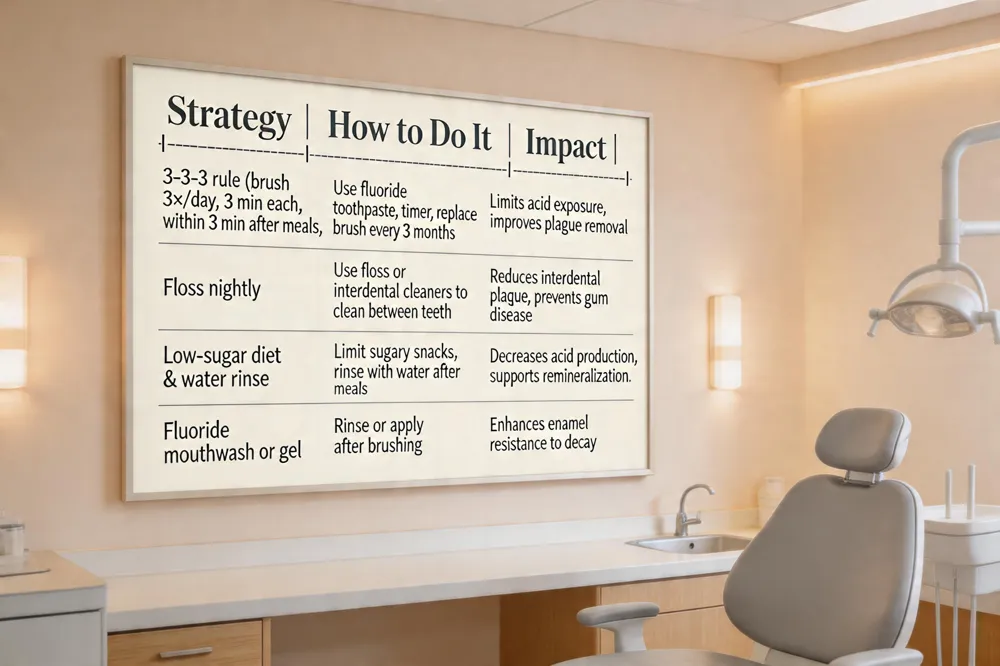 What is the 3‑3‑3 rule for teeth? The Korean 3‑3‑3 guideline recommends brushing three times a day, each session lasting three minutes and performed within three minutes after a meal. This limits acid exposure and ensures thorough plaque removal. Changing the toothbrush every three months is also advised. While useful, it must be paired with proper technique, flossing, and regular dental visits.
How to prevent cavities – Brush twice daily with fluoride toothpaste, floss every night, and limit sugary or starchy snacks. Rinse with water or an anticavity mouthwash after meals, stay hydrated, and drink fluoridated water. Professional cleanings, fluoride treatments, and sealants at Tigani Family Dentistry catch early decay before it becomes a cavity.
Prevent cavities from getting worse – Maintain diligent oral‑hygiene, use fluoride rinses or prescription gels, and consider sealants on molars. Chew xylitol‑sweetened gum after eating to neutralize acids and promote saliva flow. Schedule semi‑annual check‑ups for early detection.
Home remedies to stop tooth decay from spreading – Use a fluoride toothpaste, a warm salt‑water rinse after meals, and increase calcium‑rich or probiotic foods. Oil‑pulling can lower plaque but does not reverse established cavities; professional treatment remains essential.
How to remove tooth decay yourself – Decay cannot be removed at home; only a dentist can restore a cavity. Early demineralization can be halted with excellent home care and fluoride, but any pain or visible loss requires prompt professional attention.
Risks, Disadvantages, and Understanding Cavities
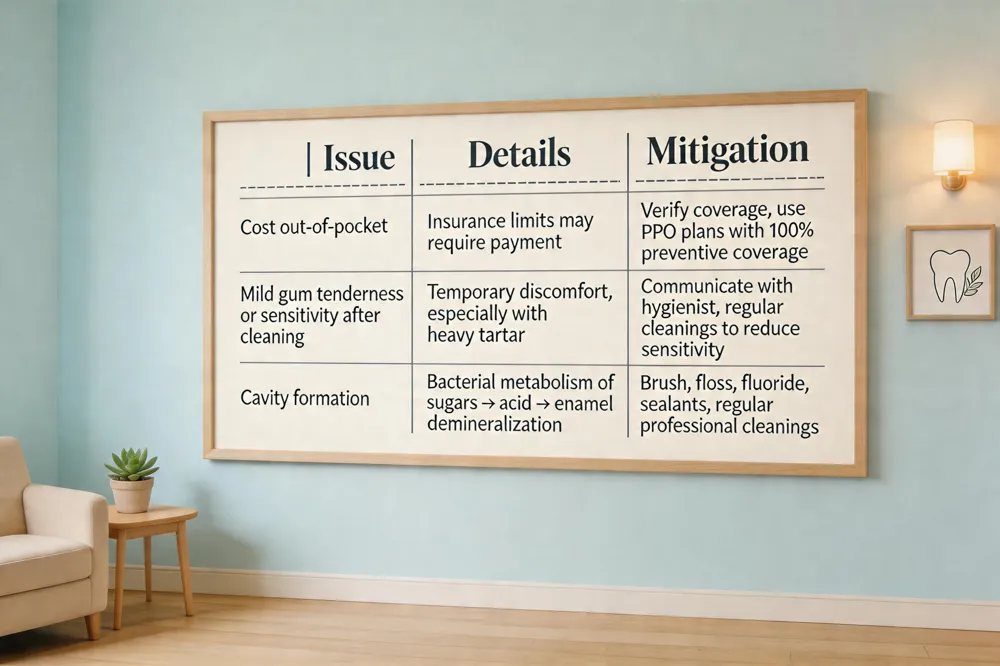
| Issue | Details | Mitigation |
|---|---|---|
| Cost out‑of‑pocket | Insurance limits may require payment | Verify coverage, use PPO plans with 100 % preventive coverage |
| Mild gum tenderness or sensitivity after cleaning | Temporary discomfort, especially with heavy tartar | Communicate with hygienist, schedule regular cleanings to reduce sensitivity |
| Cavity formation | Bacterial metabolism of sugars → acid → enamel demineralization | Brush, floss, fluoride, sealants, regular professional cleanings |
 Disadvantages of teeth cleaning
Professional cleanings are generally safe, but they can involve out‑of‑pocket costs when insurance limits are reached. Some patients experience mild gum tenderness, temporary tooth sensitivity, or slight bleeding after scaling, especially if they have gum inflammation. Deep periodontal cleanings may cause brief discomfort, and scheduling regular visits can be inconvenient for busy families. Despite these minor issues, the long‑term oral‑health benefits outweigh the short‑term drawbacks.
Do dental cleanings hurt?
Most cleanings are painless; patients feel only gentle pressure as plaque and tartar are removed. Sensitive gums, exposed roots, or heavy tartar may cause brief ache or heightened sensitivity during polishing or flossing. Anxiety can amplify sensations, so communicating any discomfort to the hygienist allows technique adjustment. Repeated cleanings usually reduce sensitivity over time.
What causes cavities?
Cavities develop when plaque bacteria metabolize sugars and starches, producing acids that demineralize enamel. Poor oral‑hygiene lets plaque harden into tartar, protecting bacteria. Frequent sugary or acidic foods, dry mouth, deep fissures, and gum recession increase risk. Fluoride, sealants, and regular cleanings help reverse early demineralization.
What are the 4 causes of tooth decay?
- Bacterial plaque formation.
- Frequent exposure to fermentable carbs and acids.
- Insufficient protective factors (e.g., fluoride, dry mouth).
- Inadequate oral‑hygiene habits that allow plaque/tartar buildup. Managing these factors through brushing, flossing, diet, fluoride, and routine dental visits prevents decay.
Tigani Family Dentistry’s Preventive Services at a Glance
| Service | Description | Coverage |
|---|---|---|
| Digital X‑rays | Low‑dose imaging for early detection | 100 % covered by most PPO plans |
| Professional cleaning (scaling & polishing) | Removes plaque/tartar, polish enamel | 100 % covered |
| In‑office fluoride varnish | Strengthens enamel, reduces decay risk | 100 % covered |
| Dental sealants | Seal pits/fissures on permanent molars | 100 % covered |
| Oral cancer screening | Visual exam for early lesions | 100 % covered |
| Personalized oral‑hygiene education | Counseling on brushing, flossing, diet, tobacco cessation | 100 % covered |
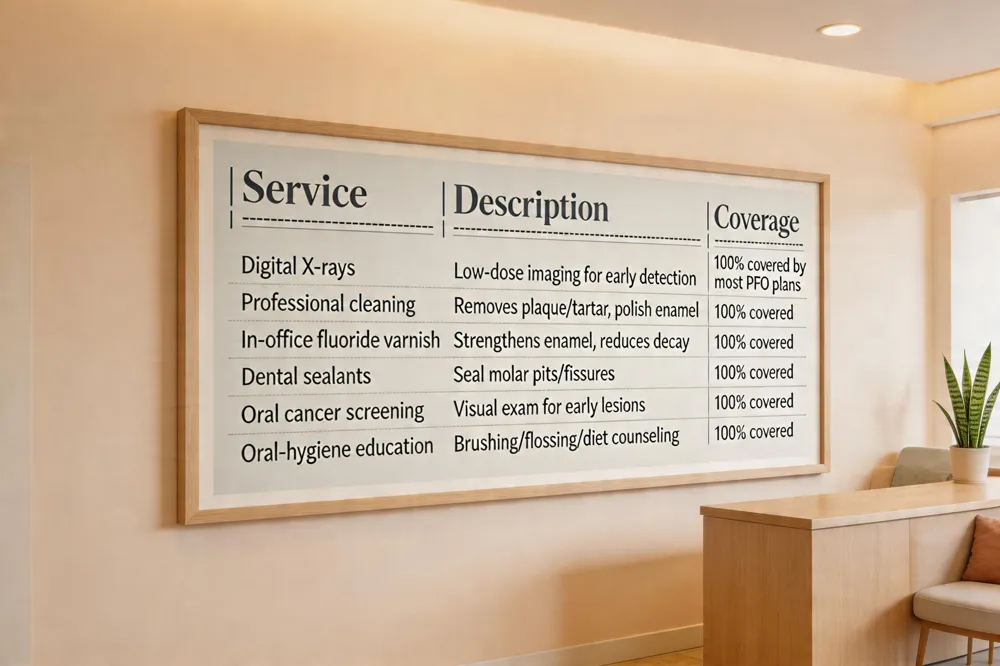 Tigani Family Dentistry offers a full suite of preventive services designed to keep families healthy and avoid costly restorative work. The practice provides routine oral examinations, digital X‑rays, professional cleanings with scaling and polishing, and in‑office fluoride varnish treatments that strengthen enamel and reduce cavity risk. Dental sealants are placed on the chewing surfaces of permanent molars to block decay in deep pits and fissures, while space maintainers protect developing teeth in children. Each visit also includes oral cancer screenings, gum‑health assessments, and personalized education on brushing, flossing, nutrition, and tobacco cessation, empowering patients to maintain optimal oral hygiene at home.
Basic dental care, by contrast, is reactive and focuses on repairing damage that has already occurred. It includes fillings for cavities, simple tooth extractions, scaling and root planing for gum disease, and minor root‑canal procedures. These treatments restore function and relieve pain but do not prevent future problems.
The key difference between preventive and basic dental care lies in timing and intent. Preventive care is proactive—aiming to catch early signs of decay, gum disease, or oral cancer before they become serious—while basic care intervenes after disease has developed. Preventive services are typically covered at 100 % by most PPO plans, reducing long‑term costs, whereas basic procedures often require higher out‑of‑pocket expenses. Tigani Family Dentistry’s family‑focused approach combines these strategies, using their in‑house laboratory for same‑day restorations when needed, to ensure continuous, cost‑effective oral health for patients of all ages.
Your Path to a Healthier Smile
Preventive dentistry saves money and protects health by catching cavities, gum disease, and oral cancer early, reducing the need for crowns, root canals, or extractions. Regular cleanings remove plaque and tartar that brushing misses, polish enamel, and allow fluoride or sealant applications that strengthen teeth. Early detection during semi‑annual exams keeps systemic inflammation low, lowering risks of heart disease, diabetes, and respiratory infections. Schedule your next cleaning now—most insurers cover two visits per year at no cost, and a consistent six‑month routine maximizes protection. At Tigani Family Dentistry we prioritize families, offering a welcoming environment, in‑house lab for same‑day care, and personalized preventive plans that keep every smile bright and healthy for life. We look forward to serving.