Prioritizing Comfort in Your Family Dental Care Journey
Dental anxiety is a widespread concern, with approximately 36% of U.S. adults and 9% of children experiencing significant distress. This fear often initiates a vicious cycle of avoidance, where delaying routine care allows minor issues to develop into complex, painful conditions that exacerbate future anxiety.
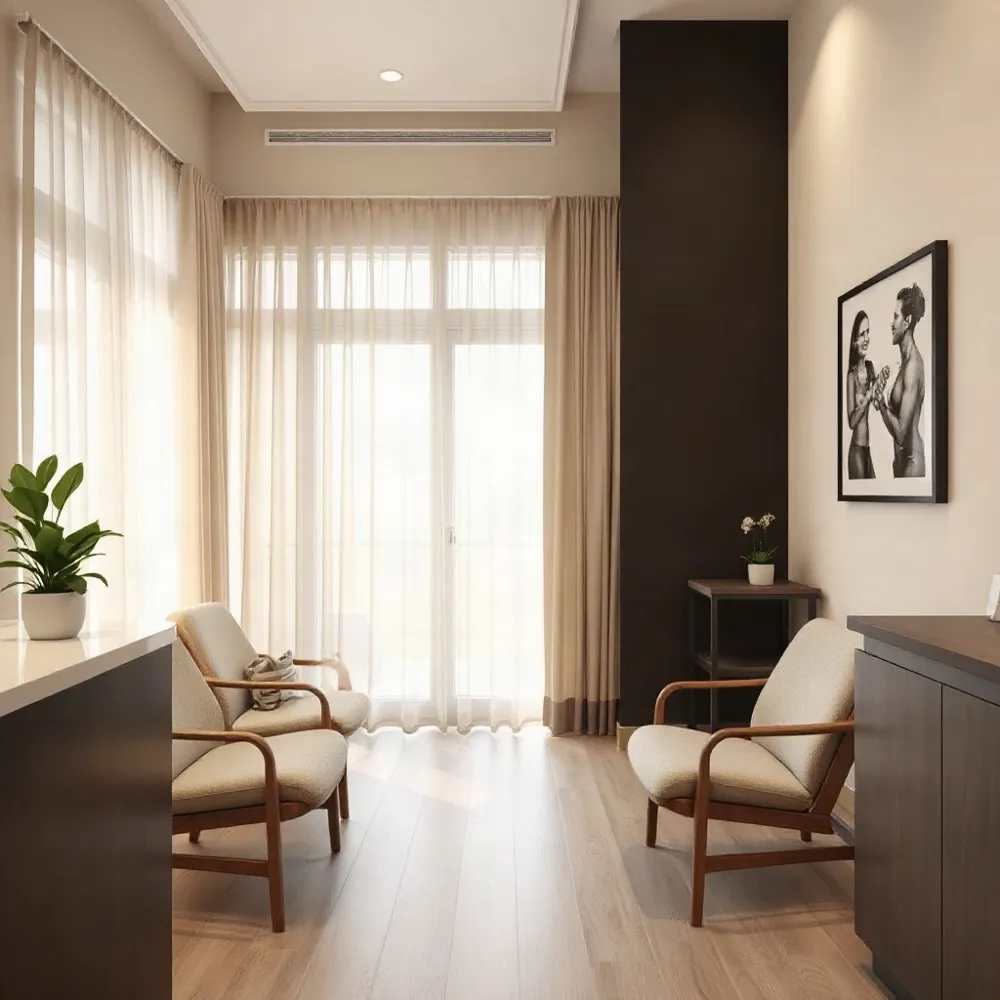
Addressing this fear early is vital for long-term oral and systemic health. At Tigani Family Dentistry, we counter the clinical, sterile atmosphere of traditional practices by providing a personal, home-like environment specifically designed to reduce stress. Since our founding in 1975, our team has emphasized gentle, transparent communication to help patients regain a sense of control.
By actively listening to your goals and tailoring care plans to your needs, our practice ensures that every appointment feels manageable and supportive. Whether you require general check-ups or restorative services, our focus remains on creating a stress-free experience that helps both children and adults maintain a healthy, confident smile without the weight of dental phobia.
Understanding the Roots of Dental Anxiety
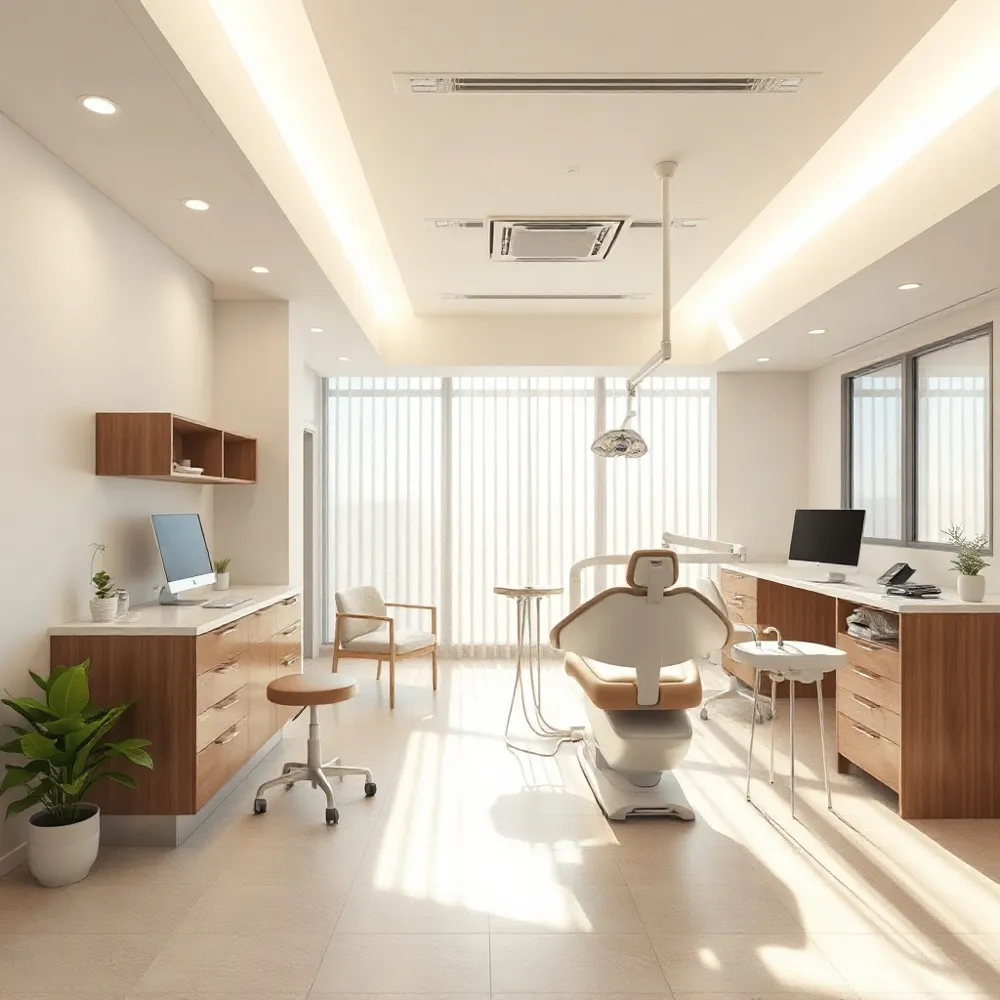 Dental anxiety is the feeling of unease, apprehension, stress, or fear that many people experience when visiting a dentist or even thinking about an upcoming appointment. This condition is common, with 36% of U.S. adults experiencing varying degrees of discomfort that can lead them to delay or avoid necessary care. Several factors contribute to this anxiety, including biological responses, such as our natural fight-or-flight instinct when someone invades our personal space. Additionally, negative past experiences—such as previous dental pain, discomfort, or prolonged procedures—often serve as a primary trigger. Other factors, including existing mental health conditions like generalized anxiety disorder or post-traumatic stress disorder, can also increase an individual's susceptibility to feeling anxious in a dental setting.
The Clinical Spectrum of Fear
When this unease escalates into a persistent, irrational fear, it is clinically identified as dentophobia or odontophobia. For patients experiencing this, the anticipation of a visit can trigger profound physical symptoms. These often include a racing heartbeat, sweating, trembling, and nausea. In more severe or prolonged cases of distress, individuals may also suffer from bruxism (teeth grinding), dry mouth, canker sores, or sleep disturbances.
Common Triggers and Environmental Factors
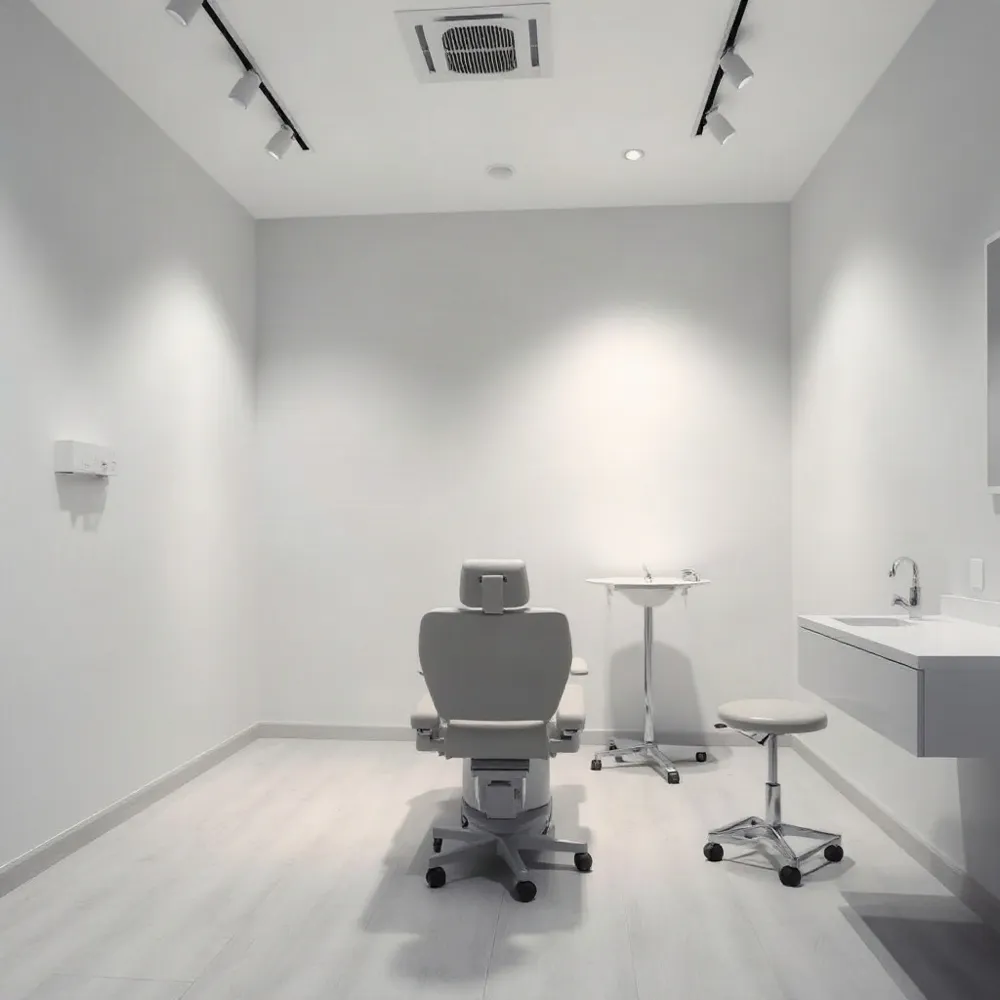
Many patients pinpoint specific sensory triggers for their anxiety, most commonly the sight or sensation of needles and drills. Beyond these tools, the environment itself can induce a loss of control, as the patient must remain still while undergoing procedures in a vulnerable position. At www.tiganistry.com, the team recognizes that these environmental stressors are significant hurdles. By emphasizing a personal, stress-free atmosphere rather than a sterile clinical setting, the practice works to counteract these common triggers through tailored, compassionate care that puts the patient's goals at the center of every appointment.
Understanding these roots is the first step toward reclaiming your oral health. Because avoiding dental care creates a cycle where minor issues worsen into complex, painful problems, proactive communication remains essential. Patients are encouraged to share their specific fears openly with their provider, as modern techniques and open dialogue can transform a formerly intimidating experience into one marked by confidence and comfort.
Gentle Support for Our Youngest Patients
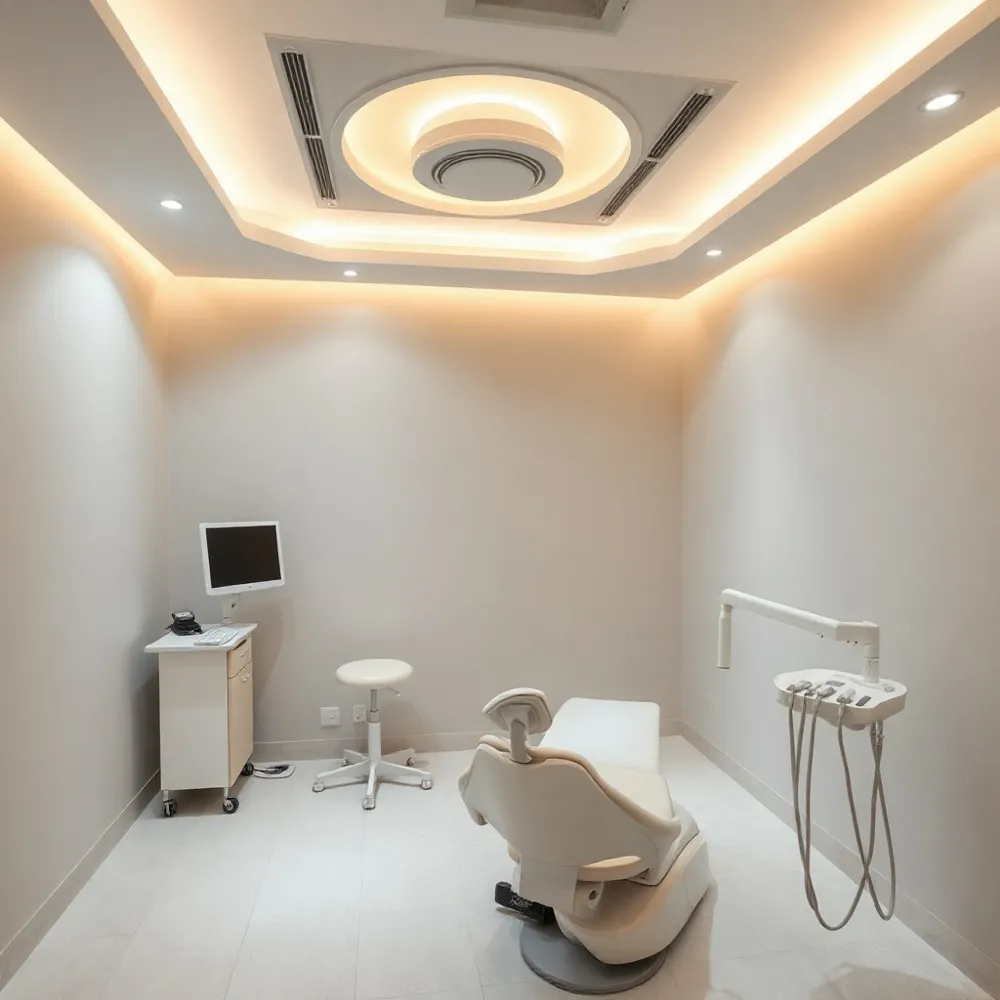 Establishing a dental home early is one of the most effective ways to prevent long-term dental fear. The American Academy of Pediatric Dentistry recommends that a child’s first dental visit occur by their first birthday or within six months of the arrival of their first tooth. Early, routine check-ups act as a preventive measure, allowing children to become comfortable with the clinical environment before complex procedures are ever required.
Parents serve as the primary influence on a child's perception of oral health care. Children often mirror the attitudes of the adults around them, so maintaining a calm, upbeat demeanor is vital. Avoiding the use of fear-inducing language, such as mentioning pain or shots, helps frame the visit as a positive milestone. At Tigani Family Dentistry, we focus on personalized care, ensuring parents and children alike feel welcomed in our stress-free environment, which contrasts with the sterile, intimidating feel of larger corporate clinics.
How can I help a child who is scared of the dentist?
To help a child who is scared of the dentist, start by using positive, simple language to describe their visit and avoid sharing any negative personal experiences. You can practice dental visits at home through play to help them become familiar with the sights and sounds of a check-up. It is also helpful to schedule appointments during times when your child is well-rested and typically in a good mood. At Tigani Family Dentistry, we prioritize a patient, family-focused approach to ensure your child feels safe and comfortable in our chair. If your child’s anxiety remains severe, please discuss these concerns with our team beforehand so we can implement extra behavior management techniques to make their visit a success.
- Use the 'Tell-Show-Do' technique to explain instruments in simple terms before they are used.
- Encourage role-playing at home by counting teeth or brushing alongside a stuffed animal.
- Provide positive reinforcement and praise for cooperation during the visit.
- Utilize comfort accommodations, such as allowing your child to sit on your lap during their examination.
Proven Strategies for a Relaxed Clinical Experience
 Managing dental anxiety is highly achievable through a combination of psychological and in-office strategies that restore your sense of control. Cognitive Behavioral Therapy is considered an evidence-based approach for reshaping fear by identifying and restructuring negative thoughts and avoidance behaviors.
At Tigani Family Dentistry, we emphasize open communication through the "tell-show-do" technique, which allows you to understand each step of your procedure before it begins. Unlike larger, less personalized practices that may move too quickly for comfort, our team prioritizes the pace that makes you feel most at ease. We also encourage patients to utilize simple, effective in-office tools, such as establishing a pre-agreed hand signal to pause treatment whenever you feel the need for a break.
Beyond verbal communication, you can shift your focus using practical distractions. Listening to music or podcasts through noise-canceling headphones is a widely recommended coping strategy that helps mask the clinical sounds of dental equipment. Incorporating relaxation techniques like deep breathing can further help you maintain a calm state during your visit.
Ultimately, building a collaborative, trusting partnership with our team is one of the most effective ways to replace anxiety with confidence. By choosing a practice like Tigani Family Dentistry that takes the time to listen to your goals, you move away from the cycle of avoidance and toward a sustainable, healthy dental routine.
Sedation and Professional Preparation for Your Appointment
For patients who experience severe apprehension or require extensive restorative work, sedation dentistry provides a path to a stress-free appointment. While some individuals find that local anesthesia is sufficient for their needs, others may benefit from additional support. At Tigani Family Dentistry, we offer personalized sedation options tailored to your specific anxiety level and medical requirements.
- Nitrous oxide: Often called laughing gas, this mild sedative takes effect quickly and wears off shortly after the procedure ends, allowing you to drive home afterward.
- Oral sedation: This involves taking a prescribed medication about an hour before your visit to induce moderate relaxation while keeping you awake.
- IV sedation: Delivered directly into the bloodstream, this option provides deep, adjustable relaxation, making it ideal for longer procedures or high levels of anxiety.
Safety and Preparation
Your safety is the foundational priority when incorporating sedation into your care plan. Before any procedure, you must disclose your full health history and all current medications, as noted by the Harvard Medical School. This ensures our team can monitor vital signs, such as heart rate and oxygen levels, throughout your visit. Per Tigani Family Dentistry, patients opting for moderate or deep sedation must arrange for a designated driver to escort them home, as these medications can cause drowsiness that lingers for several hours.
To ensure your appointment at Tigani Family Dentistry goes smoothly, avoid skipping your consultation regarding medical history, as disclosing all current medications and health conditions is vital for your safety. If you are scheduled for oral or IV sedation, do not plan to drive yourself home, as these medications will leave you too groggy to operate a vehicle safely. It is also important not to hesitate to ask questions about your procedure, as understanding what to expect can significantly reduce anxiety. Additionally, follow any specific fasting instructions provided by our team if you are undergoing deep sedation, as eating or drinking at the wrong time can interfere with the anesthesia. Always coordinate with a friend or family member to ensure you have reliable transportation home following any procedure involving sedation.
Returning to Dental Care After a Long Break
Taking the first step back into a dental office after years of avoidance is a significant milestone for your long-term health. Many patients fall into a vicious cycle of dental anxiety, where initial fear leads to missed appointments, eventually resulting in more complex or painful oral conditions that only heighten future apprehension. By prioritizing a return to care, you break this pattern and gain access to modern tools that make your experience vastly different from memories of the past.
I have not been to the dentist in many years; what should I expect during my return visit?
At Tigani Family Dentistry, we focus on a judgment-free, personalized approach to help you feel at home. Your first appointment is not merely a standard check-up but a comprehensive evaluation of your teeth, gums, and bite. We use advanced diagnostic technology, such as digital imaging, to gain a precise understanding of your oral health status. Our practice in Wilmington, DE, operates its own in-house lab to ensure that restorative needs are addressed with maximum efficiency and comfort. We listen carefully to your goals, creating a tailored treatment plan that prioritizes your comfort while restoring your confidence.
Are there different standards or 'rules' for managing anxiety in dentistry, and how are they used?
It is important to clarify that no medically recognized '3-3-3 rule' exists for managing dental anxiety. While some online sources discuss temporary anti-inflammatory protocols for acute pain, these are not strategies for overcoming dental fear. The widely recognized standard for oral health remains the '2-2-2 rule,' which encourages brushing twice daily for two minutes and scheduling two routine preventive dental visits each year.
True anxiety management is built on compassionate, open communication and tailored support. If you feel nervous, our team works with you to establish clear stop signals and explain every procedure in detail before it begins. By replacing negative historical associations with a calm, family-focused environment, we help you transition into a sustainable routine that safeguards your health for years to come.
Taking the First Step Toward a Healthier, Confident Smile
Prioritizing your oral health is a vital investment in your overall well-being. Regular checkups ensure that minor concerns are addressed early, effectively preventing the vicious cycle of dental anxiety where avoidance leads to more complex and painful future treatments. Establishing a consistent care routine today is the most effective way to secure a healthier, more confident smile for years to come.
At Tigani Family Dentistry in Wilmington, we understand the apprehension many patients feel, and we are committed to providing a calm, home-like environment that puts your comfort first. Our team takes the time to listen to your goals and build a personalized care plan tailored specifically to your needs.
Taking the first step toward better dental health does not have to be intimidating. By partnering with a team that values transparent, gentle care, you can transform your clinical experience into a positive and stress-free journey. We invite you to schedule your next visit today and reclaim your confidence in a supportive, patient-centered setting.