Why Sleep Dentistry Matters
Sleep dentistry, also called sedation dentistry, uses medication to keep you calm, comfortable, and relaxed during dental care. It turns daunting appointments into stress-free experiences, allowing you to stay awake yet deeply relaxed, or even drift off to sleep.
A Common Path to Missed Care
Dental anxiety is widespread—about 1 in 3 Americans avoid the dentist because of fear. This often leads to a dangerous cycle: skipping cleanings and checkups lets small problems like cavities or gum disease worsen, eventually requiring more invasive (and more anxiety-inducing) treatments. Sleep dentistry breaks this cycle by removing fear as a barrier, making it possible to receive preventive and restorative care with ease.
What to Expect: A Brief Patient Journey
Your path to calm care is straightforward. It begins with a consultation where your dentist reviews your health history and discusses your anxiety level. You'll then receive pre-appointment instructions—often including a short fast and arranging a ride home. During the procedure, the chosen sedative is administered while your vital signs are monitored. Afterward, you recover comfortably, often with little or no memory of the treatment. The result: a gentle, efficient visit that helps you protect your oral health without the stress you used to face. | Sedation Type | Depth | Key Features | |---|---|---| | Nitrous Oxide (Laughing Gas) | Mild | Fast-acting, wears off quickly; you can drive home | | Oral Sedation | Moderate | Pill taken before appointment; may cause drowsiness, requires driver | | IV Sedation | Deep | Delivered via IV; highly adjustable, continuous monitoring, requires driver |
How Common Is Dental Anxiety and What Triggers It?
How Common Is Dental Anxiety?
Dental anxiety is far from rare. Research indicates that between 50% and 80% of U.S. adults experience some level of nervousness about dental visits. For many, the feeling is mild, but for about 19% of the population, it is moderate to high. A smaller group, around 12%, suffers from severe dental phobia, or dentophobia, which can lead to complete avoidance of dental care. This anxiety has real consequences: over 20% of anxious patients skip regular appointments, and up to 15% avoid the dentist altogether.
What Causes Dental Anxiety?
The most common triggers include fear of pain, which is cited by 39% of patients in global surveys, followed by the smell of chemicals (24%) and the sound of the drill (21%). Other causes are past negative or traumatic experiences, a feeling of helplessness or loss of control, and embarrassment about the condition of one's teeth. Fear of needles, a strong gag reflex, and even the clinical sights and sounds of a dental office can set off anxiety. These triggers often lead to a cycle of avoidance, where postponed care allows minor issues like cavities to worsen into more serious problems. For many, simply sharing these fears with a dentist opens the door to solutions like sedation dentistry, which can break this cycle and restore oral health. | Cause | Prevalence | Impact | |-------|------------|--------| | Fear of pain | 39% of anxious patients | Often leads to avoidance of treatment | | Smell of chemicals | 24% | Triggers immediate unease | | Sound of the drill | 21% | Heightens stress during procedures | | Past negative experience | Common | Reinforces fear and avoidance | | Feeling of helplessness | Frequent | Increases reluctance to seek care | | Embarrassment about teeth | Common | Delays preventive visits | | Fear of needles | Frequent | Complicates administration of local anesthesia |
What Dentists Do to Help Anxious Patients—and How You Can Overcome a Phobia
How Do Dentists Deal with Anxious Patients?
Dentists first identify anxious patients through calm, open-ended conversations. This helps build trust and pinpoints the source of fear.
To gauge anxiety levels, dentists use subjective tools like interviews or anxiety scales. They also check objective measures, such as pulse or blood pressure.
Treatment combines behavioral techniques with pharmacological options. Relaxation breathing, guided imagery, and distraction are common psychotherapeutic methods. For severe cases, sedation or general anesthesia may be used.
The goal is a supportive environment where you feel safe and in control. Dentists explain procedures thoroughly and offer stop-signaling techniques, like raising a hand.
How Do I Get Over a Dentist Phobia?
Start by openly discussing your fears with your dentist. They can explain each step and adjust treatment to your comfort level.
Gradual exposure builds trust. Begin with a simple consultation or cleaning.
Use relaxation techniques like deep breathing or guided imagery during visits. For more severe anxiety, sedation options like nitrous oxide or oral sedatives allow you to receive care in a relaxed state.
Identifying the root cause of your phobia—whether past trauma or fear of pain—enables a tailored approach. Choosing a family-focused practice that prioritizes personalized care can make the difference.
| Type of Approach | Methods Used | Purpose |
|---|---|---|
| Assessment | Conversation, anxiety scales, vital signs | Gauge fear level and identify source |
| Behavioral | Relaxation breathing, guided imagery, stop-signal | Calm nerves and give patient control |
| Pharmacological | Nitrous oxide, oral sedation, IV sedation | Enable care for severe anxiety or lengthy procedures |
| Exposure Therapy | Gradual visits, starting with simple appointments | Build trust and reduce fear over time |
Can You Be Sedated for Dental Anxiety? Exploring the Options and Their Limits
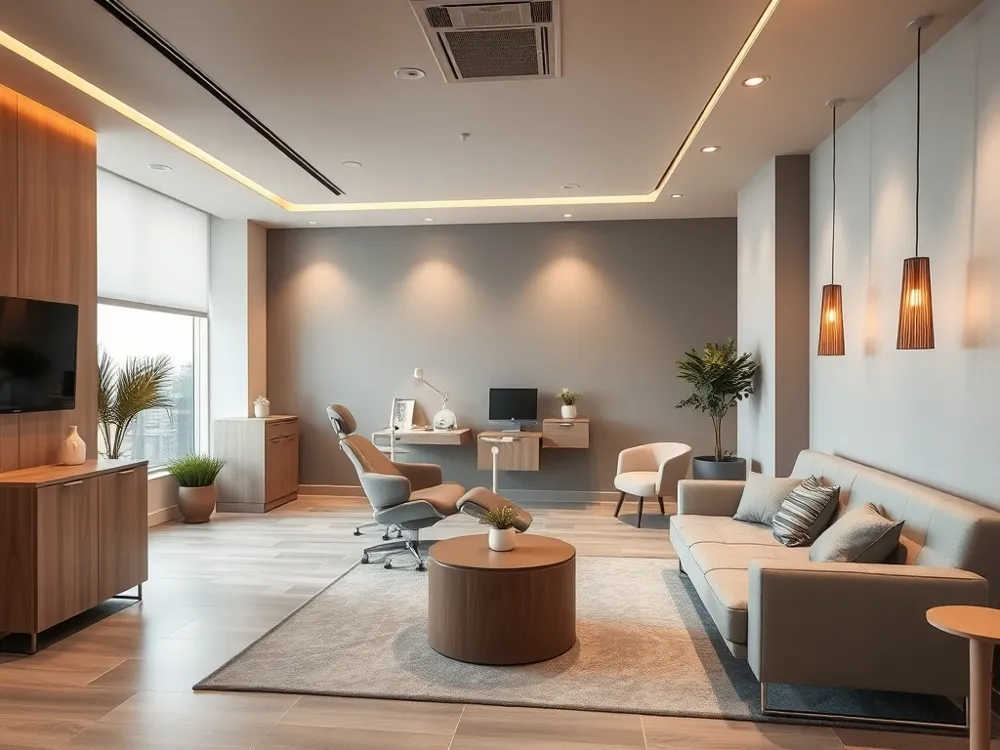
Yes, You Can Be Sedated for Dental Anxiety—Here Are Your Options
Absolutely. Sedation dentistry offers several safe, effective ways to manage dental anxiety. The three most common options are nitrous oxide (laughing gas), oral sedation, and IV sedation. Your dentist will help you choose based on your anxiety level, the procedure’s length, and your overall health.
Nitrous oxide is a mild, inhaled sedative that takes effect within minutes. You remain fully awake and can drive yourself home afterward. It’s ideal for mild to moderate anxiety or short procedures.
Oral sedation involves taking a pill about an hour before your appointment. It provides moderate relaxation and can make you drowsy, though you can still be awakened. You will need someone to drive you home.
IV sedation delivers medication directly into a vein, allowing the dentist to adjust the level of sedation throughout the procedure. It’s used for severe anxiety or lengthy treatments and also requires a ride home.
What Are the Disadvantages of Oral Sedation?
While effective, oral sedation has notable drawbacks. The medication can cause dry mouth, nausea, headaches, and prolonged drowsiness. Because the drug takes time to work, the dosage cannot be adjusted quickly once administered. You will also need a responsible adult to drive you due to lingering impairment. Your dentist will review your full medical history to ensure you are a good candidate for this method.
Do You Feel Anything While Being Sedated?
Under nitrous oxide, you feel calm and relaxed while fully conscious. With oral sedation, you become drowsy but remain responsive. Many patients fall asleep during IV sedation but can still be roused if needed. In all cases, a local anesthetic is used to numb the treatment area, so pain is not felt. The dental team monitors your vital signs throughout to ensure your comfort and safety.
| Sedation Type | How It Works | When It’s Used | Key Considerations |
|---|---|---|---|
| Nitrous Oxide | Inhaled through a mask; takes effect in 3–5 minutes | Mild anxiety; short procedures | You can drive home; effects wear off quickly |
| Oral Sedation | Pill taken 1 hour before the appointment | Moderate anxiety; longer procedures | You need a driver; dosage cannot be easily adjusted |
| IV Sedation | Medication delivered through a vein; adjustable | Severe anxiety; complex or lengthy procedures | You need a driver; possible drowsiness for up to 24 hours |
IV Sedation: Drugs, Depth, and Post‑Procedure Precautions
What drug is used for IV sedation in dentistry?
Intravenous (IV) sedation delivers medication directly into the bloodstream for a quick, controlled effect. Common drugs include midazolam, propofol, and ketamine. Midazolam reduces anxiety and often causes memory loss of the procedure. Propofol works rapidly to induce a sleepy state but may lower blood pressure and is unsuitable for those with egg or soy allergies. Ketamine provides both pain relief and amnesia, making it useful for shorter treatments. The choice of drug depends on your overall health, the procedure's complexity, and the desired sedation depth, ensuring a safe and comfortable experience.
How IV sedation is monitored
Your safety is the top priority during IV sedation. A trained dental professional continuously tracks your vital signs, including heart rate, blood pressure, and oxygen levels. This real-time monitoring allows the team to adjust the medication dosage as needed, keeping you in a calm, “twilight” state where you remain responsive but deeply relaxed and often unaware of the treatment.
Recovery timeline and what to avoid after sedation
After the procedure, the effects of IV sedation take time to wear off. You will likely feel drowsy or groggy for several hours. Full recovery typically requires up to 24 hours. During this period, you must not drive a car, operate machinery, ride a bicycle, or go out alone. Avoid making important decisions, signing legal documents, or posting on social media. Plan to rest at home with a responsible adult present, and continue taking your usual medications as prescribed. Contact your dentist if drowsiness or side effects like nausea persist beyond 24 hours.|||Sedation Type|Common Drugs|Key Effect|Safety Monitoring|Post-Procedure Requirements| |---|---|---|---|---| |IV Sedation|Midazolam, propofol, ketamine, dexmedetomidine, fentanyl|Deep relaxation; often no memory of procedure|Continuous vital sign monitoring (heart rate, blood pressure, oxygen levels)|No driving or machinery for 24 hours; escort required| |Oral Sedation|Triazolam, diazepam, lorazepam|Moderate relaxation; possible drowsiness|Medical history review|No driving or machinery for 24 hours; escort required| |Nitrous Oxide|Nitrous oxide gas|Mild relaxation; fully awake|Minimal monitoring|No restrictions; patient can drive home immediately|
Insurance, Safety, and the Tigani Family Dentistry Experience
Is Sedation Dentistry Covered by Insurance?
Coverage for sedation dentistry is not guaranteed and varies by plan. Most dental insurance policies classify sedation for anxiety or comfort as elective, meaning it will not be covered. However, if sedation is deemed medically necessary, coverage may apply. This is more common for IV sedation or general anesthesia used during complex procedures like wisdom tooth extractions, multiple implants, or for patients with severe anxiety or special needs. Nitrous oxide is rarely covered for adults.
The best step is to contact your provider. A practice like Tigani Family Dentistry can help verify your specific benefits before treatment, removing financial uncertainty.
Safety Protocols and Continuous Monitoring
Sedation dentistry is considered very safe when administered by trained professionals. Before any sedative is given, your medical history, current medications, and allergies are reviewed to choose the safest method. During the procedure, your vital signs—heart rate, blood pressure, and oxygen levels—are continuously monitored. This vigilance allows the dental team to adjust sedation levels instantly, ensuring your comfort and safety throughout the entire appointment.
The Tigani Family Dentistry Experience
Tigani Family Dentistry in Wilmington, DE, offers a comprehensive approach that goes beyond basic sedation. Their in‑house dental lab allows for the rapid creation of custom appliances like night guards and sleep apnea devices, which can be made during the same visit. They are also certified in sleep‑related therapies, including take‑home sleep studies and laser treatments for snoring. This family‑owned practice emphasizes a personalized, family‑focused atmosphere where the team’s goal is to make every visit as comfortable as possible, which is vital for anxious patients.
Benefits of One-Visit Treatment
Because sedation helps you remain deeply relaxed, your dentist can often perform more work in a single appointment. This efficiency means multiple procedures—like fillings, crowns, or extractions—can be completed in one session, reducing the total number of visits. This saves you time and reduces the stress of returning for additional care.
At a Glance: Coverage and Safety for Sedation Types
| Sedation Type | Insurance Coverage Nuances | Driving Required? | Recovery Time |
|---|---|---|---|
| Nitrous Oxide | Rarely covered for adults; seen as elective. | No; you can drive home. | 15-30 minutes; effects wear off quickly. |
| Oral Sedation | Partial coverage possible, often considered elective. | Yes; a driver is required. | Up to 24 hours; avoid driving and strenuous activity. |
| IV Sedation | More often covered for medical necessity (e.g., surgery, severe phobia). | Yes; a driver is required. | Up to 24 hours; plan for rest and recovery. |
Your Path to a Calm, Confident Smile
For anyone who has postponed a dental visit due to anxiety, sleep dentistry offers a clear, reassuring path forward. By significantly reducing fear and discomfort, it removes the primary barrier to essential oral healthcare. This approach allows you to receive the treatments you need without the stress that previously led to avoidance, helping to prevent minor issues from developing into more serious, costly problems.
Take the First Step Today
Your journey to a relaxed, confident smile begins with a simple conversation. At Tigani Family Dentistry in Wilmington, DE, you can schedule a consultation to discuss your specific concerns and explore available options. During this visit, the team will review your medical history and anxiety level to recommend a personalized, comfortable plan just for you.
Experience Safe and Personalized Care
Sedation dentistry is considered very safe when performed by trained professionals. Your vital signs are monitored throughout the procedure, and the sedation level is tailored to your specific needs. From a warm, judgment-free welcome to a customized treatment plan, every step is designed with your comfort and peace of mind as the top priority.
| Feature | Benefit for Anxious Patients | How Tigani Supports You |
|---|---|---|
| Sedation Levels | Choose from minimal to deep relaxation | Personalized consultation to match your needs |
| Safety Protocols | Continuous monitoring of vital signs | Trained team in a modern, comfortable office |
| Treatment Efficiency | More work can be done in fewer visits | In-house lab for faster restorations |
| Recovery Support | Guidance on transportation and post-care | Clear instructions and a compassionate team |