Why a ‘one‑size‑fits‑all’ dental plan no longer works
A dental plan that only covers two cleanings a year and little else fails to meet the needs of most families today. Patients want coverage that adapts to their specific oral health risks, lifestyle, and cosmetic goals, moving beyond the old model of basic, one‑size‑fits‑all insurance.
The shift from basic to comprehensive coverage
Traditional basic dental plans typically covered only preventive care and a few simple procedures like fillings. While this kept premiums low, it often left families exposed to high out‑of‑pocket costs for necessary restorative work, such as crowns, root canals, or dentures. A basic plan might have a $1,000 annual maximum, which is quickly exhausted by a single major procedure.
Today, comprehensive coverage is becoming the standard. These plans go further, covering basic restorative care (fillings, extractions) and major restorative care (bridges, crowns, dentures) at set coinsurance levels, often 80% and 50% respectively after the deductible. Some comprehensive plans also include orthodontic treatment. As noted by insurers like Guardian Life, full coverage plans typically offer much more protection—and often at a lower out‑of‑pocket cost when patients need significant work.
This shift is driven by a deeper understanding that oral health is linked to overall health. Data from the CareQuest Institute shows that poor oral health can worsen conditions like diabetes and heart disease, and that promoting regular dental check‑ups reduces overall healthcare expenditures. Patients and insurers alike now recognize that investing in comprehensive dental care prevents more costly medical problems later. The same Guardian study found that members who received preventive care for two consecutive years saw a decrease in claim costs, while those without preventive care experienced a $720 increase.
The role of preventive care as the foundation of any plan
Preventive dentistry remains the cornerstone of any effective dental plan. Services such as regular cleanings, exams, X‑rays, fluoride treatments, and sealants are designed to stop problems before they start. According to Delta Dental, a focus on prevention means most insurance plans cover these services at 100%, with no deductibles and often no copays. This makes routine care financially accessible, encouraging families to maintain regular visits.
Early detection is a key benefit. A comprehensive exam can uncover hidden decay, gum disease, or even early signs of oral cancer—conditions that are cheaper and easier to treat when caught early. Humana states that preventive care can reduce dental complications linked to chronic conditions like diabetes and osteoporosis. By integrating preventive visits into a wellness plan, patients can avoid painful, expensive procedures down the road.
For families, a well‑structured plan often includes age‑specific preventive services. Children benefit from sealants on newly erupted molars and topical fluoride, while adults and seniors need regular gum health checks and oral cancer screenings. The American Dental Association recommends a child’s first dental visit by age one, establishing a foundation of good habits early. A flexible plan that covers these varied needs helps ensure every family member gets the right care at the right time.
How modern technology and personalized treatment planning create true flexibility
The biggest change in dental care is the move toward personalized treatment plans. Modern dental software allows practices to create customized care pathways based on each patient’s medical history, lifestyle, and preferences. As Adit explains, this technology enables financial transparency with upfront cost estimates, integrated payment options, and real‑time tracking of treatment progress. No two patients have identical dental health, so a generic schedule of cleanings and exams often falls short.
Personalized planning starts with a thorough assessment, including digital X‑rays, intraoral scans, and a discussion of the patient’s goals. The dentist then develops a plan that may combine preventive, restorative, and cosmetic services—from whitening and bonding to crowns or Invisalign—all tailored to the individual. At Triangle Restoration Dentistry, clinicians stress that customized plans improve oral health and hygiene by tailoring cleaning protocols and maintenance schedules to each patient’s unique mouth.
Modern technology also enables flexibility in how care is delivered. Patients can use teledentistry for consultations, access educational materials through online portals, and see their treatment progress in real time. An in‑house dental lab, like the one at Tigani Family Dentistry, allows for rapid fabrication of crowns or bridges, reducing wait times. This combination of digital tools and personalized planning ensures that patients aren’t locked into rigid schedules or one‑size‑fits‑all benefit limits.
Ultimately, a comprehensive, personalized dental plan built on a strong preventive foundation offers the best value. It keeps families healthier, reduces long‑term costs, and adapts to each patient’s evolving needs—something a basic, inflexible policy cannot do.}```json { "heading": "Why a ‘one‑size‑fits‑all’ dental plan no longer works", "content": "A dental plan that only covers two cleanings a year and little else fails to meet the needs of most families today. Patients want coverage that adapts to their specific oral health risks, lifestyle, and cosmetic goals, moving beyond the old model of basic, one‑size‑fits‑all insurance.\n\n### The shift from basic to comprehensive coverage\n\nTraditional basic dental plans typically covered only preventive care and a few simple procedures like fillings. While this kept premiums low, it often left families exposed to high out‑of‑pocket costs for necessary restorative work, such as crowns, root canals, or dentures. A basic plan might have a $1,000 annual maximum, which is quickly exhausted by a single major procedure.\n\nToday, comprehensive coverage is becoming the standard. These plans go further, covering basic restorative care (fillings, extractions) and major restorative care (bridges, crowns, dentures) at set coinsurance levels, often 80% and 50% respectively after the deductible. Some comprehensive plans also include orthodontic treatment. As noted by insurers like Guardian Life, full coverage plans typically offer much more protection—and often at a lower out‑of‑pocket cost when patients need significant work.\n\nThis shift is driven by a deeper understanding that oral health is linked to overall health. Data from the CareQuest Institute shows that poor oral health can worsen conditions like diabetes and heart disease, and that promoting regular dental check‑ups reduces overall healthcare expenditures. Patients and insurers alike now recognize that investing in comprehensive dental care prevents more costly medical problems later. The same Guardian study found that members who received preventive care for two consecutive years saw a decrease in claim costs, while those without preventive care experienced a $720 increase.\n\n### The role of preventive care as the foundation of any plan\n\nPreventive dentistry remains the cornerstone of any effective dental plan. Services such as regular cleanings, exams, X‑rays, fluoride treatments, and sealants are designed to stop problems before they start. According to Delta Dental, a focus on prevention means most insurance plans cover these services at 100%, with no deductibles and often no copays. This makes routine care financially accessible, encouraging families to maintain regular visits.\n\nEarly detection is a key benefit. A comprehensive exam can uncover hidden decay, gum disease, or even early signs of oral cancer—conditions that are cheaper and easier to treat when caught early. Humana states that preventive care can reduce dental complications linked to chronic conditions like diabetes and osteoporosis. By integrating preventive visits into a wellness plan, patients can avoid painful, expensive procedures down the road.\n\nFor families, a well‑structured plan often includes age‑specific preventive services. Children benefit from sealants on newly erupted molars and topical fluoride, while adults and seniors need regular gum health checks and oral cancer screenings. The American Dental Association recommends a child’s first dental visit by age one, establishing a foundation of good habits early. A flexible plan that covers these varied needs helps ensure every family member gets the right care at the right time.\n\n### How modern technology and personalized treatment planning create true flexibility\n\nThe biggest change in dental care is the move toward personalized treatment plans. Modern dental software allows practices to create customized care pathways based on each patient’s medical history, lifestyle, and preferences. As Adit explains, this technology enables financial transparency with upfront cost estimates, integrated payment options, and real‑time tracking of treatment progress. No two patients have identical dental health, so a generic schedule of cleanings and exams often falls short.\n\nPersonalized planning starts with a thorough assessment, including digital X‑rays, intraoral scans, and a discussion of the patient’s goals. The dentist then develops a plan that may combine preventive, restorative, and cosmetic services—from whitening and bonding to crowns or Invisalign—all tailored to the individual. At Triangle Restoration Dentistry, clinicians stress that customized plans improve oral health and hygiene by tailoring cleaning protocols and maintenance schedules to each patient’s unique mouth.\n\nModern technology also enables flexibility in how care is delivered. Patients can use teledentistry for consultations, access educational materials through online portals, and see their treatment progress in real time. An in‑house dental lab, like the one at Tigani Family Dentistry, allows for rapid fabrication of crowns or bridges, reducing wait times. This combination of digital tools and personalized planning ensures that patients aren’t locked into rigid schedules or one‑size‑fits‑all benefit limits.\n\nUltimately, a comprehensive, personalized dental plan built on a strong preventive foundation offers the best value. It keeps families healthier, reduces long‑term costs, and adapts to each patient’s evolving needs—something a basic, inflexible policy cannot do." }
## What a Comprehensive Dental Plan Really Means
### What Does a Comprehensive Dental Plan Mean?
A comprehensive dental plan, often referred to as full‑coverage dental insurance, is designed to protect your smile beyond just routine cleanings. While a basic plan may only cover preventive care, a comprehensive plan also helps pay for basic and major services. This structure is built on a typical benefit split: preventive care (cleanings, exams, X‑rays) is usually covered at **100%**, basic procedures like fillings and simple extractions are covered at roughly **80%**, and major services such as crowns, bridges, and root canals are covered at about **50%**.
It is important to understand that “full coverage” does not mean the plan pays for everything. All dental plans involve specific costs and limits you should know about:
| Cost Component | What It Is | How It Affects You |
|----------------|------------|--------------------|
| **Deductible** | A fixed amount you pay out‑of‑pocket each year before the plan starts contributing. | Preventive services are often waived from the deductible, but you must meet it for basic and major care. |
| **Coinsurance** | The percentage of the bill you share after meeting the deductible. | For a major procedure, you may pay 50% of the cost while the plan pays the other 50%. |
| **Annual Maximum** | The total dollar amount your plan will pay in a benefit year. | Once this limit is reached, you are responsible for all remaining costs until the next plan year. |
### How Tigani Family Dentistry Works With PPO Carriers to Maximise Benefits
At Tigani Family Dentistry, we accept most PPO insurance plans, and our team helps you decode your policy. We align your treatment with your benefits to ensure you get the personalized, family‑focused care you need while squeezing the most out of your coverage. We verify your benefits before your visit, explain any out‑of‑pocket costs upfront, and coordinate care to avoid surprises. By choosing a PPO plan that covers 100% of preventive services, you invest in routine care that lowers your long‑term expenses and supports your overall health.
Many patients overlook that preventive check‑ups are not just about teeth—they can detect early signs of systemic diseases such as diabetes or heart disease. Integrating your dental coverage with a trusted family practice like ours gives you a seamless, cost‑effective path to a healthier smile.
| Service Category | Typical Plan Coverage | What You May Pay Out‑of‑Pocket |
|------------------|----------------------|--------------------------------|
| **Preventive** (cleanings, exams, X‑rays) | 100% with no deductible | $0 copay (in‑network) |
| **Basic Restorative** (fillings, simple extractions) | 80% after deductible | 20% coinsurance + deductible |
| **Major Restorative** (crowns, bridges, root canals) | 50% after deductible | 50% coinsurance + deductible |
| **Orthodontics** (braces, clear aligners) | Often covered up to a lifetime max (e.g., $1,000–$1,500) | Varies; may have separate waiting period |
Understanding these elements helps you choose a plan that fits your family’s needs and budget, ensuring you receive the care you deserve without unexpected bills.
## The 50‑40‑30 Rule: A Blueprint for a Balanced Smile
### What is the 50-40-30 rule in dentistry?
The 50‑40‑30 rule is a cosmetic‑dentistry guideline for determining the ideal width‑to‑length proportions of the six upper front teeth when viewed from the front. Each central incisor should be roughly 50 % as wide as it is long, each lateral incisor 40 %, and each canine 30 %.
### How the rule guides [veneers](https://www.cornerstonedentalhealth.com/five-best-cosmetic-dentistry-options-available/), [crowns](https://www.nwfamilydentalcare.com/what-are-the-cosmetic-dentistry-options-available-for-me/), [bonding](https://enspiredental.com/2026/cosmetic-dentistry-options-which-treatment-is-right-for-your-smile/) and smile makeovers
Dentists use these ratios as a starting blueprint when designing veneers, crowns, bonding or full‑smile makeovers. Applying the rule helps achieve a natural, harmonious appearance.
### Flexibility of the rule for individual face shape and lip line
The rule is a starting point, not a rigid formula. We adjust the ratios for each patient’s unique face shape, lip line, and aesthetic goals. A [personalized approach](https://www.yorkvilledental.com/yorkville-dental-blog/personalized-dental-treatment-plan) ensures the result looks balanced on that individual.
### Real‑world application at Tigani with [in‑house lab](https://riverbendfamilydentistry.com/popular-cosmetic-dentistry-options-for-a-brighter-smile/) and digital design
At Tigani Family Dentistry, the 50‑40‑30 rule informs our digital smile design and in‑house lab fabrication. This combination allows us to create precise, customized restorations that deliver a balanced, confident smile.
## Designing Gentle, Effective Care for Older Adults
As patients age, physical and sensory changes such as reduced dexterity, dry mouth, vision loss, and hearing impairment can make oral hygiene more challenging. Dental professionals must carefully assess these capabilities and treat older patients with dignity, recognizing that these changes affect compliance. For physical limitations, recommend adaptive tools like electric toothbrushes with ergonomic grips or floss holders. Prescribe high-fluoride toothpaste or recommend in-office fluoride varnish to combat root caries and dry mouth. Use visual aids—X-rays, intra-oral photos, or animated graphics—to explain findings and recommendations. Provide written care instructions and appointment reminders via the patient's preferred method (phone call, text, or mailed letter). To enhance comfort during visits, offer pillows, blankets, and relaxing music. Calmly talk through each step of a procedure to reduce anxiety. After appointments, follow up to reinforce care instructions and build rapport. Involve caregivers by leaving a copy of instructions with them, ensuring the care plan is followed at home. This personalized approach makes dental visits more gentle and effective for older adults.} ] } } } \\``` }
## Prevention First: The Backbone of a True Comprehensive Plan
Most PPO dental plans are built on a prevention-first model, covering [routine cleanings, exams, and X-rays](https://www.humana.com/dental-insurance/dental-resources/preventive-dental-care) at 100%. This encourages regular visits and catches small issues before they become painful or expensive. Early detection of problems like cavities or gum disease reduces the need for costly restorative work later, saving both time and money.
### Anthem and Delta Dental Examples
Anthem plans, for example, cover preventive services at [100% with no waiting period](https://www.anthem.com/ny/individual-and-family/dental-insurance) when care is received in-network. Similarly, [Delta Dental PPO](https://www1.deltadentalins.com/areas-we-serve/newyork.html) plans offer 100% coverage for cleanings, exams, and X-rays. Both insurers prioritize this core benefit to maintain oral health and lower long-term costs for families.
### [Tigani’s Preventive Package](https://chambleedental.com/blog/what-services-fall-under-preventive-dentistry/)
A comprehensive preventive package should include twice-annual professional cleanings, [digital X-rays](https://www.aspendental.com/dental-services/preventive-dentistry/), and oral exams. For children, [sealants and fluoride treatments](https://www.deltadental.com/protect-my-smile/oral-health-habits/preventive-dental-care/) are essential additions. Convenience tools like teledentistry and a dental health assessment, which Anthem also offers, help patients stay engaged between visits. This package establishes a strong foundation for lifelong oral wellness.
| Service | Typical PPO Coverage | Benefit for the Patient |
| --- | --- | --- |
| [Cleanings & Exams (2x/year)](https://www.saidental.net/blog/preventive-dental-services-from-a-general-dentist/) | 100% covered | Removes plaque, catches early decay |
| Digital X-rays (1x/year) | 100% covered | Detects hidden problems |
| Fluoride & Sealants (children) | 100% covered or low copay | Strengthens enamel, prevents cavities |
| Teledentistry | Included in plan | Convenient access to advice |
## Personalized Treatment Planning Powered by Modern Dental Software
### Digital Assessments and Cost Transparency
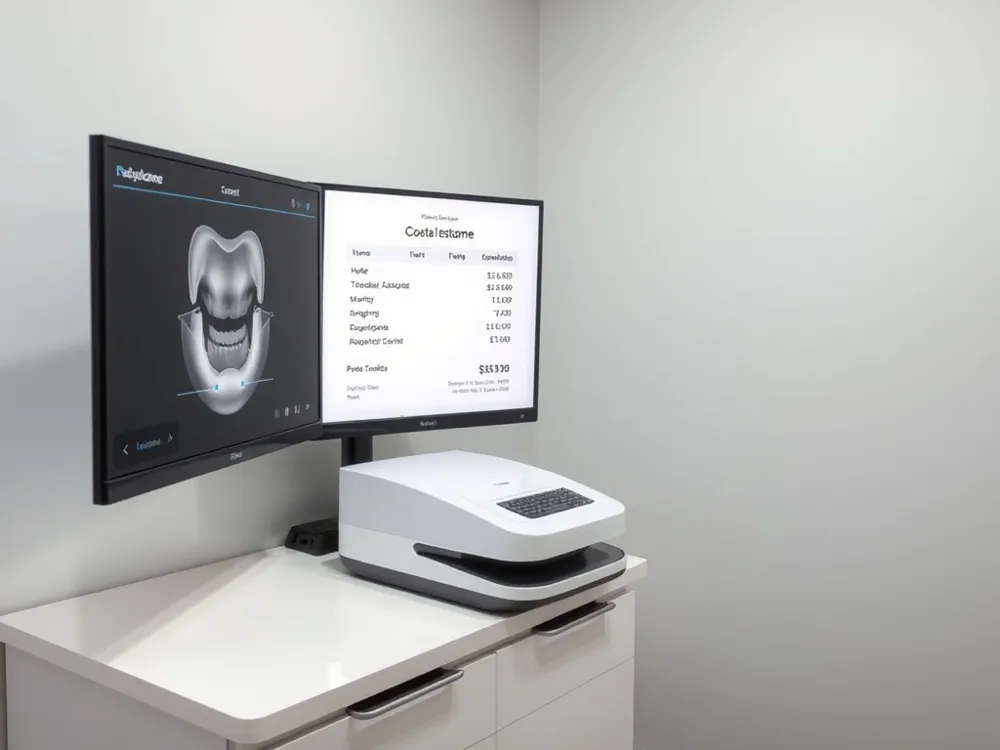
Modern dental software like Adit streamlines care through digital assessments and intra‑oral scanning. These tools generate real‑time cost estimates, effectively eliminating surprise bills. Patients receive transparent, [phased treatment plans](https://adit.com/personalized-dental-treatment-plans-memorable-experiences) that break complex procedures into clear stages. Integrated payment options allow practices to calculate exact costs and arrange monthly installments directly within the plan. This structure improves financial clarity and increases patient compliance with recommended care protocols. Automated status tracking updates every stage from pending to approved. Presenting multiple treatment options helps patients compare benefits and choose the best fit. Enhanced decision-making reduces anxiety and improves long-term oral health outcomes for families.
### Centralized Communication and Lab Efficiency
Digital organization centralizes patient records, enabling secure email and HIPAA‑compliant texting. Electronic signatures reduce paperwork and speed up approvals. For restorative needs, [Tigani Family Dentistry](https://www.deltadental.com/product/individual-and-family/) utilizes an in‑house laboratory. This capability accelerates the creation of precise crowns, bridges, and cosmetic restorations. Faster fabrication ensures exact fit and color matching while maintaining personalized, family‑focused treatment without administrative delays. This streamlined workflow supports efficient care delivery for diverse patient demographics.
| Topic | Software Feature | Patient Benefit |
| Digital Assessments | Intra‑oral scanning | Real‑time cost estimates |
| Phased Planning | Tiered treatment maps | Clear financial staging |
| Communication | HIPAA‑compliant texting | Secure, centralized records |
| Restorative Work | In‑house laboratory | Rapid, precise fittings |
## A Family‑Focused, All‑In‑One Dental Home
### A Single Source for Every Smile
Tigani Family Dentistry provides a comprehensive range of services under one roof. This includes [preventive care (cleanings, exams)](https://www.cigna.com/knowledge-center/what-is-preventive-dentistry), restorative work (fillings, crowns), cosmetic treatments (veneers, whitening), orthodontics (Invisalign), [sleep‑apnea therapy](https://robinfergusondds.com/how-dr-ferguson-tailors-treatment-plans-to-individual-needs-why-choose-us-for-this-2/), and aesthetic services such as Botox and XERF skin tightening. A single plan can simplify care for busy families.
### Designed to be Accessible
The practice welcomes patients speaking English, Spanish, or Chinese. Access is further enhanced by 24/7 teledentistry for quick consultations. This removes common barriers like language or scheduling conflicts, making it easier to stay on top of oral health.
### Coverage That Works with You
Tigani accepts a broad range of PPO plans, including Delta, [Cigna](https://www.cigna.com/knowledge-center/full-coverage-dental-insurance), Anthem, and [Liberty](https://www.libertydentalplan.com/New-York/LIBERTY-Dental-Plan-of-New-York.aspx). For those without insurance, flexible payment plans are available. This financial flexibility ensures that more families can access the care they need.
### Care for Every Generation
[A comprehensive plan](https://penndentalmedicine.org/blog/what-are-comprehensive-dental-services/) can serve all family members—from toddlers needing sealants and fluoride to seniors requiring implants or dentures. The practice creates a personalized schedule for each patient, ensuring that every generation receives the appropriate mix of preventive, restorative, and cosmetic services at the right time. This approach supports long‑term oral health.
## Putting It All Together
### A Personalized Roadmap to Your Healthiest Smile
A truly comprehensive dental care plan goes far beyond just having insurance. It is a personalized roadmap tailored to your unique oral health needs, lifestyle, and goals. It starts with a foundation of preventive care—regular exams and cleanings—and then layers on restorative and cosmetic options as needed. This approach ensures you are not just covered, but are proactively managing your oral and overall health.
### Take the First Step Today
Your journey toward a healthier, more confident smile begins with a single conversation. We invite you to schedule a free dental health assessment at Tigani Family Dentistry. During this no-obligation visit, we will discuss your needs, answer your questions, and help you design a truly personalized care plan. Contact us today to book your appointment. We look forward to welcoming your family to ours.