Care Begins With Being Heard
Dental care is more than an examination or procedure. It also means understanding what matters to the person receiving care, including their concerns, preferences, and goals. Patient-centred care treats those values as part of clinical decisions, rather than applying the same plan to everyone (research on patient-centred care).
That understanding begins with listening. Clear explanations and space for questions help patients make sense of their oral health and take part in choices about treatment. Effective communication is a two-way exchange, with the dental team sharing information and patients expressing their concerns and preferences (review of dentist-patient communication).
For Tigani Family Dentistry, a family-owned practice in Wilmington, Delaware, this article considers how listening and patient involvement fit into personalized, family-focused care. The research offers general principles, not evidence about the clinic’s specific practices or patient outcomes.
Communication Builds Understanding and Trust
 Communication in dental care is a two-way exchange. Patients need clear information about their oral health, and the dental team needs to hear their concerns, preferences, and questions. A literature review describes effective dentist-patient communication as a shared exchange that supports patient involvement in care decisions (review of dentist-patient communication).
Useful explanations are clear, accurate, concise, complete, and logically organized. In practice, that means describing a diagnosis and available treatments in plain language, explaining benefits, risks, and alternatives, and pausing to check what the patient understands. Tigani Family Dentistry’s personalized approach to care reflects the importance of considering each patient’s needs rather than relying on a one-size-fits-all conversation.
Open discussion can help patients make informed choices and feel more comfortable asking about uncertainty or anxiety. Listening without interruption, asking open-ended questions, and responding without judgment can show that a patient’s perspective matters. The American Dental Association describes mutual respect and open, clear communication as foundations of a positive dentist-patient relationship (ADA guidance on the dentist-patient relationship).
Reviews associate effective communication with greater patient confidence and satisfaction, better adherence to advice, and less dental fear, though these are possible benefits rather than guaranteed results. At Tigani Family Dentistry, family-focused care and acceptance of most PPO insurance plans provide practical context for conversations about treatment and access, while each patient’s questions and circumstances still shape the discussion.
Listening Reveals What Matters to Patients
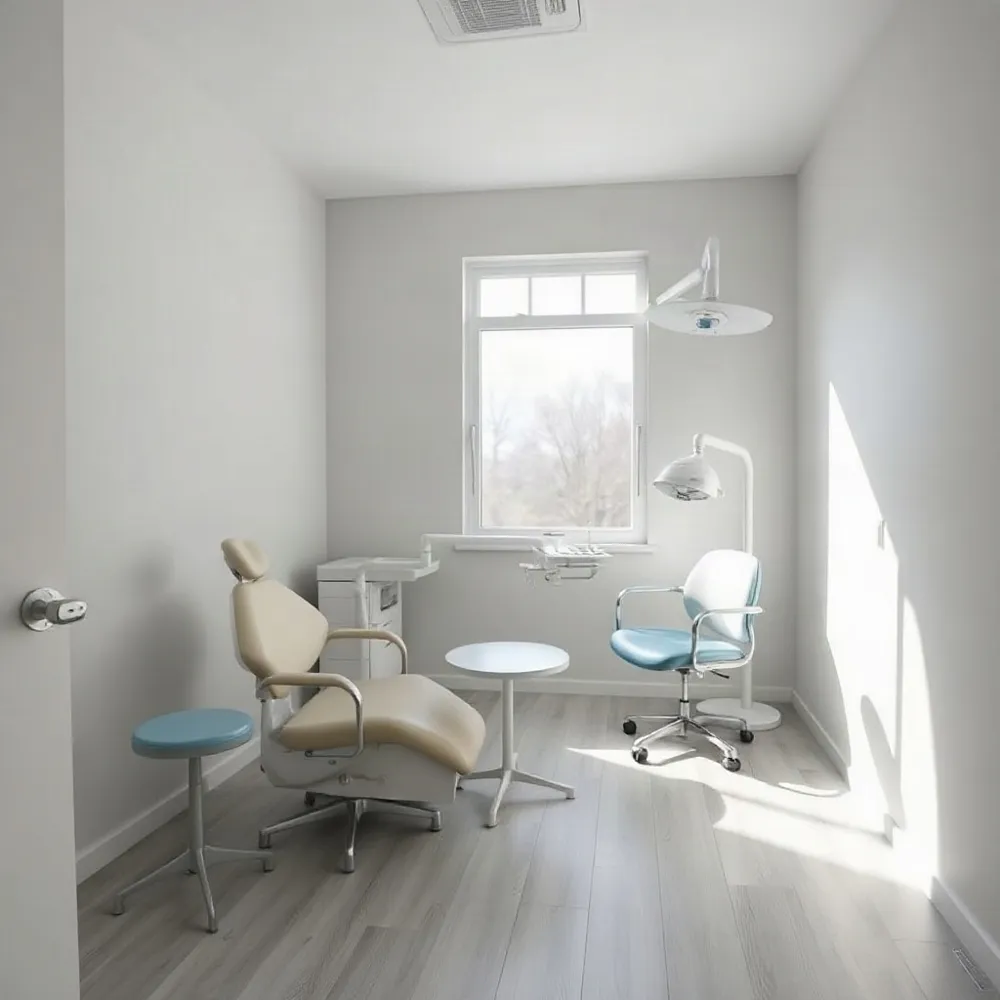 Patients may bring concerns that are not obvious from an examination alone. Active listening means giving them full attention, avoiding interruptions, and asking follow-up questions so they can describe symptoms and priorities in their own words. A 2024 review of dentist-patient communication recommends this approach as part of understanding patients’ needs and preferences.
Those needs may be shaped by anxiety, family or work responsibilities, cultural beliefs, language, or financial circumstances. Tigani Family Dentistry’s family-focused practice and range of preventive, restorative, orthodontic, sleep, and aesthetic services provide context for care that can be considered around each patient’s circumstances, rather than only the clinical finding.
A useful method is collaborative exploration: ask what matters, reflect back what you heard, and invite the patient to correct or add detail. The dental sleep medicine article describes this as a way to connect clinical knowledge with a patient’s own experience and priorities.
Listening also includes nonverbal signals. A calm tone, attentive posture, open facial expression, and respectful eye contact can support spoken reassurance; distracted gestures or a rushed manner may send the opposite message. Simple explanations, written instructions, or visual aids can make information easier to follow. When a patient needs additional support, such as interpretation or help communicating a disability-related need, adapting the conversation can make it easier for them to participate.
Treatment Choices Made Together
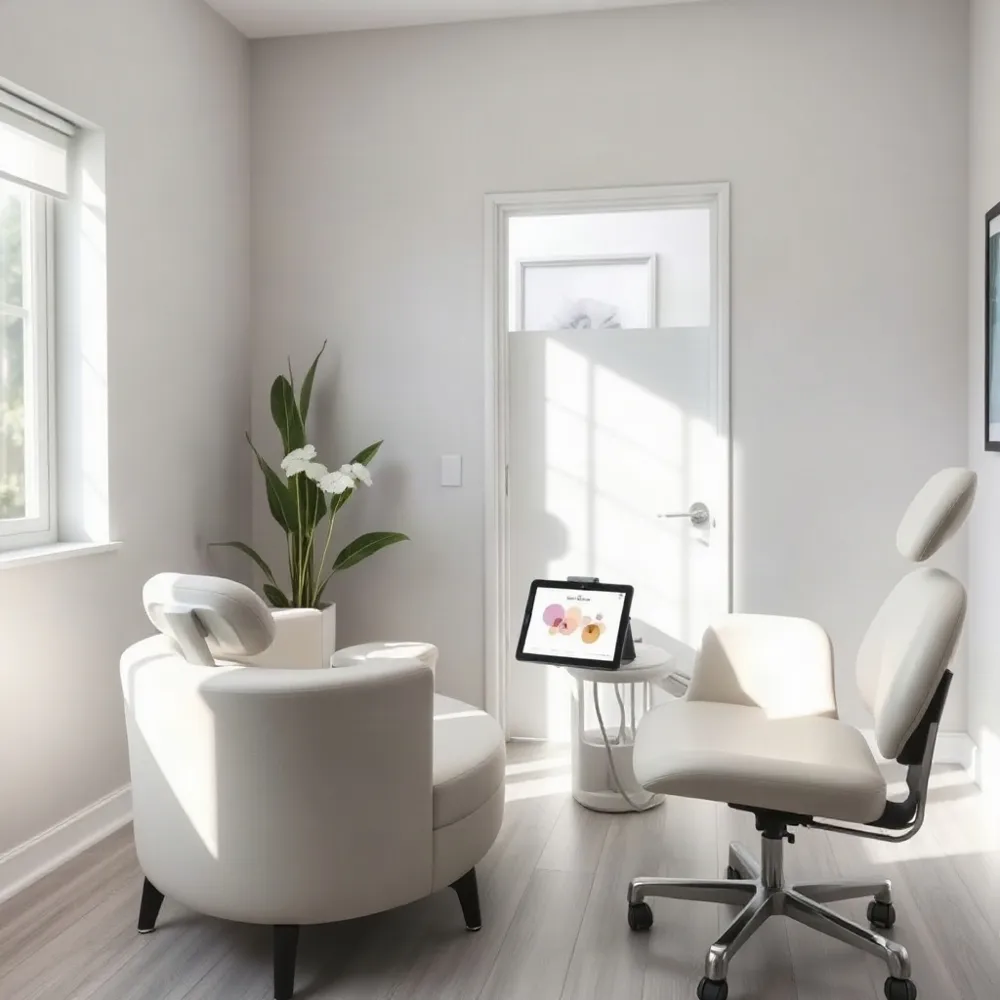 Choosing treatment works best as a conversation, not a decision delivered without the patient’s input. The dentist explains the diagnosis and likely course in everyday language, then describes clinically appropriate options, including their expected benefits, risks, possible outcomes, and alternatives such as monitoring when suitable. Patients can ask questions and explain what matters to them, so the plan reflects both clinical judgment and personal priorities. The American Dental Association’s guidance on the dentist-patient relationship emphasizes mutual respect and open, clear communication.
Unfamiliar procedures can be easier to discuss with a model, radiograph, or other visual aid. Written information can give patients something to review after the appointment, while consent materials should use plain language to explain the treatment, expected benefits, relevant risks, alternatives, and aftercare. These tools support the conversation; they do not replace it. A review of dentist-patient communication describes shared decision-making as explaining options and inviting patients to weigh in.
A useful check is to ask patients to describe the plan in their own words. If anything is unclear, the dental team can explain it another way before moving forward. Cost, comfort, health needs, and personal circumstances may also affect what feels manageable, and should be discussed when relevant. Tigani Family Dentistry accepts most PPO insurance plans, a practical detail patients can consider when discussing care.
Patient preferences matter, but they do not make every requested procedure appropriate. The clinician must explain when an option does not fit the patient’s needs or best interests and discuss suitable alternatives. At Tigani Family Dentistry, a family-owned Wilmington practice offering preventive, restorative, orthodontic, and other care, treatment choices can be considered in the context of the patient’s broader dental needs.
Personalized Care Supports Patient Engagement
Patient-centered care means respecting and responding to a person’s preferences, needs, and values when planning treatment, rather than applying the same plan to everyone. In dentistry, that can include considering a patient’s concerns, circumstances, and goals alongside clinical findings. A qualitative study of dental professionals describes individualized care and patient involvement as parts of this approach, while noting that the findings reflect interviews at one UK dental school, not every practice.Patient-centred care
What are the benefits of patient-centered care in dentistry?
When the dental team explains options clearly and invites questions, patients can feel more informed and respected. Discussing what matters to someone can also help connect treatment choices with personal goals and daily routines. A 2024 review describes shared decision-making as presenting options and their advantages and disadvantages, then supporting patients as they choose what fits their preferences.Shared decision-making in dental care
Dental fear and anxiety may lead people to delay or avoid visits. Empathetic discussion, clear explanations, and attention to comfort can help make care feel more manageable, though they cannot guarantee that anxiety will go away. Feeling heard and involved may also support trust, participation in preventive visits, and consistent oral-health habits.
Tigani Family Dentistry is a family-owned practice in Wilmington offering preventive, cosmetic, restorative, orthodontic, sleep, and aesthetic services. Its in-house lab and acceptance of most PPO insurance plans are practical parts of the care setting. These details do not establish a particular communication method or patient outcome, but they provide context for patients considering the range of services and access factors relevant to their needs.
For patients, the value of a personalized approach is having room to ask questions, weigh appropriate options, and choose a plan they understand and feel comfortable following. That partnership can make it easier to stay engaged with care over time.
Education Extends Beyond the Appointment
A visit can be a starting point for better home care, not the only time patients learn about their oral health. Explaining why a recommendation matters, how to follow it, and what to expect from treatment helps patients make informed choices. Tigani Family Dentistry offers preventive and restorative care, giving patients options to discuss in the context of their individual needs.
Written instructions or handouts can provide a useful reference after an appointment, especially when details are difficult to remember. Follow-up communication can answer questions, clarify care instructions, and reveal misunderstandings. A dental communication review describes written information and follow-up as ways to support patient understanding and ongoing care (review of dentist-patient communication.
Patient-centered communication is a skill that benefits from practice and continuing professional development. A qualitative study of UK dental professionals recommends training in communication and related skills, while noting its findings are not a measure of every practice (study of patient-centred dental care). When education is paired with listening, patients have more room to ask questions, weigh options, and take an active part in decisions about their oral health.
A Partnership in Oral Health
Good dental care brings clinical expertise together with what patients know about their own concerns, preferences, and circumstances. Respectful conversation helps the dental team understand that context and explain care in terms patients can follow, as the American Dental Association’s guidance on the dentist-patient relationship describes.
At Tigani Family Dentistry, personalized, family-focused care is offered across preventive, restorative, orthodontic, and other dental services. When patients can ask questions, understand their options, and take part in decisions, they are better equipped to play an active role in their oral health.