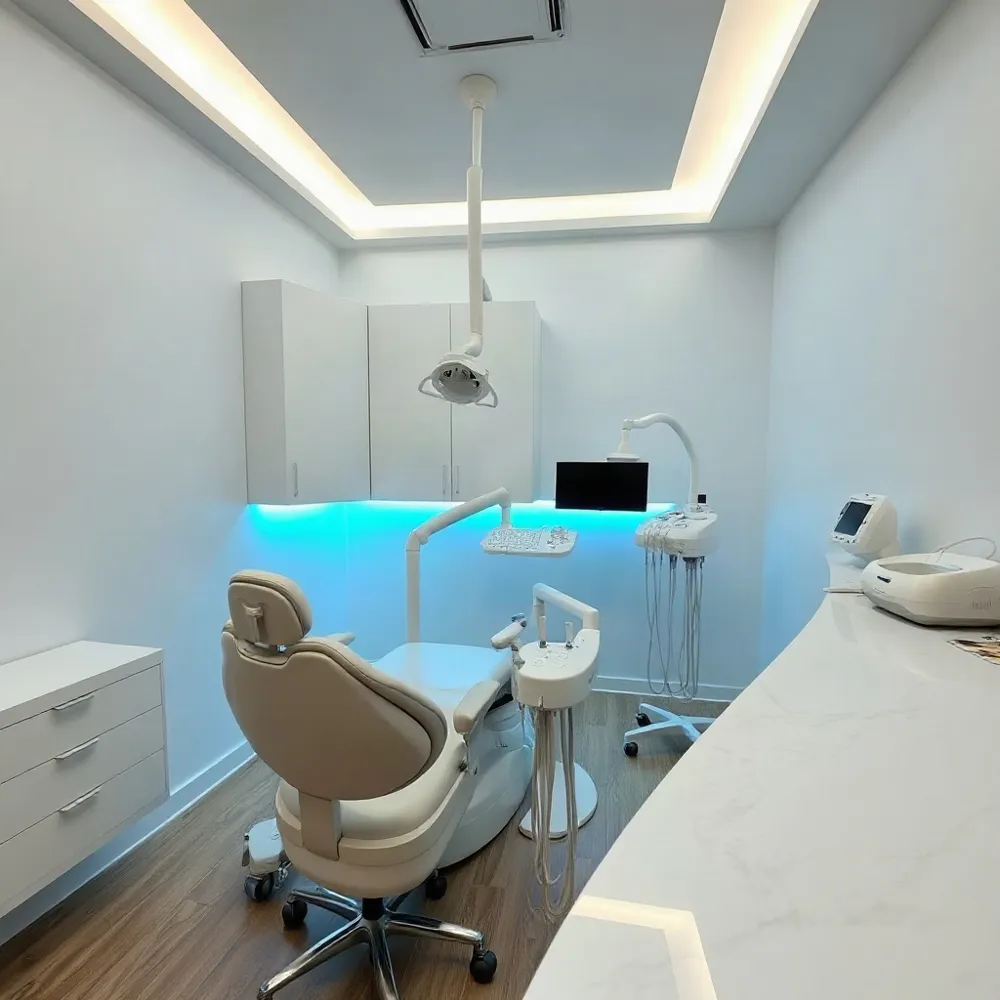
A Lasting Smile Starts Here
Cosmetic treatments are an investment in your confidence and appearance, but results require ongoing care. Whether you have whitened teeth, porcelain veneers, dental bonding, or aesthetic treatments like Botox or Xerf skin tightening, the longevity of those results depends on daily habits and professional support.
This article offers practical strategies to protect and extend your results. Readers will learn how to care for cosmetic dental work, maintain bright white teeth, and support aesthetic treatments with proper recovery and lifestyle habits.
At the heart of this guide is Tigani Family Dentistry, a trusted family-owned practice in Wilmington serving the community since 1975. With an in-house lab, experienced dentists, and comprehensive services including general, cosmetic, restorative, and orthodontic care, Tigani Family Dentistry provides everything under one roof.
Maintaining Body Contouring and Plastic Surgery Results
 Body contouring procedures such as liposuction permanently remove targeted fat cells, but the remaining fat cells can still expand if you gain weight. This means stable weight is essential to protect the results of tummy tucks, body lifts, and liposuction itself.
Post-operative care plays a major role in healing. Following the surgeon's guidelines on wearing compression garments, taking prescribed medications, and respecting activity restrictions helps control swelling, reduces discomfort, and supports proper tissue healing.
A nutritious diet rich in fruits, vegetables, lean proteins, and whole grains supports tissue repair after surgery. Staying hydrated with 8 to 10 glasses of water daily also helps maintain skin elasticity and appearance, which contributes to a smooth, contoured look.
Regular exercise is critical for long-term results. Cardio helps manage body fat, while strength training tones and maintains muscle mass. Patients should ease back into physical activity after recovery, starting with gentle walking and gradually increasing intensity only when cleared by their surgeon.
Two lifestyle habits that directly undermine results are smoking and excessive alcohol consumption. Smoking impairs healing, prolongs recovery, and can lead to more visible scarring. Avoiding tobacco and limiting alcohol helps keep recovery on track and extends the life of your cosmetic investment.
Finally, keep all follow-up appointments with your surgeon. These visits allow the doctor to monitor your progress, address any concerns, and adjust your care plan as needed. Staying engaged with your care team is the best way to catch small issues before they affect your results.
Caring for Injectable Treatments and Aesthetic Skin Procedures
 Non-invasive treatments like Botox and Xerf skin tightening provide noticeable facial rejuvenation without the downtime of surgery. Tigani Family Dentistry is the first practice in Delaware to offer Xerf skin tightening, a technology that uses radiofrequency energy to tighten and firm the skin.
These treatments produce temporary results — the effects of Botox typically last 3-6 months, after which follow-up appointments are needed to maintain the look. After any injectable or energy-based skin treatment, sun protection is critical; UV exposure can break down the product faster and damage the skin.
Using medical-grade skincare products and consulting with an aesthetician can help extend and improve results. Patients should also honestly disclose lifestyle habits like smoking and alcohol use to their provider, as these factors affect healing and treatment outcomes.
If you are also considering cosmetic dental work, a practical scheduling note: wait at least one to two weeks after lip fillers before a dental appointment to let the filler settle and avoid displacement. This timing protects both your aesthetic and dental investments.
Preserving Your New Smile After Cosmetic Dental Work
Cosmetic restorations such as veneers, crowns, bonding, and dental implants are durable but require consistent care to resist staining, chipping, and wear over time. With proper maintenance, veneers can last 10 to 15 years, bonding lasts 3 to 7 years, and implants can remain functional for a lifetime.
Daily oral hygiene is the foundation of long-term success. Brush twice a day with a soft-bristled toothbrush and non-abrasive toothpaste — avoid whitening toothpaste on veneers, as it can scratch the surface. Floss daily, including the use of a water flosser, to prevent gum disease and decay around restorations. An alcohol-free, fluoride-containing mouthwash can strengthen enamel and help reduce surface staining.
Certain habits put cosmetic work at risk. Avoid chewing ice, biting nails, opening packages with your teeth, and eating hard or sticky foods that can chip veneers, crowns, or bonding. Limit staining drinks such as coffee, tea, and red wine; when you do consume them, rinse your mouth with water soon afterward to minimize discoloration.
If you grind your teeth at night, a custom nightguard can protect restorations from excessive wear. Even with good care, bonding and whitening may need occasional touch-ups. Semi-annual dental checkups and professional cleanings are essential for monitoring restorations and catching small issues before they become costly repairs.
Keeping Teeth White: Diet and Habits That Matter
 Professional teeth whitening results typically last from six months to three years. How long your bright smile endures depends almost entirely on diet and daily habits.
The First 48 Hours: The White Diet Rule
For the first two days after whitening, tooth pores remain slightly open and stain easily. During this window, avoid dark foods and drinks such as coffee, red wine, soy sauce, dark berries, and colorful spices like curry. Stick with chicken, white fish, rice, pasta with white sauce, and cauliflower. Water is the safest beverage.
Foods and Habits That Protect Your Results
Over the long term, crunchy fruits like apples and vegetables such as cauliflower help strengthen enamel and boost saliva production. Dairy products like cheese also support enamel health. When you do consume staining beverages, use a straw to bypass your front teeth and rinse your mouth with water immediately afterward. If you drink acidic beverages like coffee, wait at least 30 minutes before brushing to avoid spreading acid across your teeth.
Tobacco use is especially damaging — nicotine creates deep, stubborn yellow stains that quickly diminish whitening results. Eliminating smoking is one of the most effective ways to protect your investment.
Touch-Ups and Professional Support
Periodic touch-up treatments help sustain an even, bright smile. Touch-up kits with custom-fitted trays and professional-strength gel from a dental office are safer and more effective than over-the-counter products. At Tigani Family Dentistry, the in-house lab and experienced team can provide custom take-home trays and professional in-office whitening tailored to your needs. Regular dental cleanings also remove surface stains and plaque that can dull teeth over time.
Daily Oral Care and Checkups to Protect Your Investment
A consistent daily routine is the first line of defense for any cosmetic dental work. Brush twice a day with a soft-bristle brush and non-abrasive fluoride toothpaste, using gentle circular motions. Tigani Family Dentistry recommends flossing daily to remove plaque around veneers, crowns, and bonding materials, as neglected plaque can lead to gum inflammation that threatens the integrity of restorations.
For natural teeth, a whitening toothpaste helps maintain brightness. However, for porcelain veneers or crowns, avoid abrasive pastes like baking soda, which can scratch the surface. After dental implant surgery, rinse gently with salt water; while implants cannot develop cavities, the surrounding gums require careful brushing and flossing to prevent infection.
Special techniques are needed for different restorations. After receiving a crown or bridge, use floss threaders to clean under the pontic (replacement tooth). For standard fillings, you can resume normal brushing and flossing once the numbness from the anesthetic wears off. Avoid harmful habits such as smoking, chewing ice, or using teeth as tools, as these can weaken both natural teeth and cosmetic restorations.
Semi-annual professional cleanings remove surface stains and tartar that daily brushing misses, while allowing your dentist to evaluate the condition of restorations. A routine cleaning involves no downtime. A deep cleaning may cause mild tenderness for 24 to 48 hours, with full gum healing taking up to four weeks. For patients who grind their teeth, a custom nightguard protects against chipping, and a mouthguard is essential for sports.
Lifestyle Habits That Sustain Cosmetic Results
The lasting success of cosmetic procedures depends largely on daily habits. Maintaining a stable weight is essential after body contouring: while liposuction permanently removes targeted fat cells, remaining fat cells can expand and stretch skin if weight fluctuates. A stable weight protects the improvements achieved.
Smoking impairs healing, prolongs recovery, and causes deep staining of teeth that can damage cosmetic dental work. Eliminating tobacco use is one of the most impactful steps a patient can take. Limiting alcohol consumption also supports recovery and protects results, as excessive drinking negatively affects healing and general health.
Hydration and diet play direct roles. Drinking 8–10 glasses of water daily supports skin elasticity and helps maintain results. A healthy diet rich in protein, vitamins, and whole grains reduces inflammation and supports wound healing. Sun protection is another critical component: daily application of SPF year-round prevents breakdown of Botox results and protects tightening treatments like Xerf.
Honest disclosure of lifestyle habits to your provider ensures tailored aftercare recommendations. At Tigani Family Dentistry, the team takes time to understand each patient's habits and create a personalized maintenance plan that protects every aspect of their investment.
Scar Care and Recovery Essentials
The first three months after a cosmetic procedure are critical for long-term results, as the body actively rebuilds tissue and adapts to new contours. Proper postoperative care during this window directly affects scarring and overall satisfaction. Patients who follow activity restrictions, keep incisions clean and dry, and protect the area from sun exposure significantly improve their healing outcomes.
Quality rest is essential for optimal healing. During sleep, tissue repair accelerates, swelling is processed, and the immune response strengthens. Setting up a dedicated recovery space with supportive pillows helps minimize swelling and protects surgical sites. A diet rich in protein, vitamin C, and vitamin E supports tissue repair, while minimizing salt and processed foods helps reduce unnecessary inflammation.
Once incisions are fully closed, consistent use of medical-grade silicone products (in gel or sheet form) can significantly improve scar appearance. Holistic or over-the-counter scar products may make unsubstantiated claims and can sometimes interfere with wound healing, so it is important to follow the surgeon's aftercare instructions exactly.
Compression garments and manual lymphatic massage help control swelling and support newly contoured areas. Returning to exercise should be gradual: light walking can begin within days, while more demanding activities typically require several weeks before safe resumption.
Commitment to Your Beautiful Results
Cosmetic treatments provide a wonderful starting point, but longevity depends on maintenance, good habits, and professional support.
A little daily effort goes a long way toward preserving a radiant smile and refreshed appearance. Schedule regular checkups and discuss a maintenance plan with your provider to ensure vibrant, lasting results.