Why Community Trust Defines Great Dentistry
When patients trust their dentist, they show up for appointments, follow through with treatment plans, and report better oral health. The connection runs deeper than simple satisfaction. Research published in the patient-dentist relationship literature shows that trust directly shapes how consistently patients engage with preventive care, which in turn influences long-term outcomes. High-trust relationships reduce anxiety, improve communication, and make patients more likely to accept recommended procedures. That dynamic transforms a routine checkup from a chore into a foundation for lasting health.
Trust also has a measurable effect on treatment success. Patients who feel their dentist listens and explains options are more likely to complete complex work, such as crowns, implants, or orthodontics, rather than delaying care until problems worsen. A 2022 study on trusting the dentist found that expectations of a "leap of faith" often give way to confidence when clinicians demonstrate competence and empathy consistently. Over time, this confidence becomes a self-reinforcing cycle: better outcomes build trust, and trust encourages earlier, more proactive care. Community-based practices see this daily, as familiarity turns occasional visitors into lifelong patients.
How Trust Translates Into Measurable Outcomes
The clinical benefits of high trust are not abstract. A mixed-method study evaluating the patient-dentist relationship found that trust correlates with reduced missed appointments, greater adherence to oral hygiene instructions, and improved self-reported oral health. Patients who trust their dentist are also more comfortable voicing concerns, which allows for earlier detection of issues like decay or gum disease. This matters because early intervention is less invasive and less costly than treating advanced conditions. At Tigani Family Dentistry in Wilmington, DE, the family-owned practice builds this trust by combining transparent communication with an in-house lab, so patients see exactly what their treatment involves.
Competitors that rely on insurance-driven models often rush patients through visits, leaving little room for questions. Tigani Family Dentistry takes a different approach: the team accepts most PPO insurances and still dedicates time to explain each step of care, from preventive cleanings to restorative procedures. This patient-first philosophy is supported by community-oriented dentistry education, which emphasizes that trust is built through consistent, respectful interaction rather than transactional visits. The result is a practice where patients arrive with confidence and leave with a clear plan they actually understand.
Building Long-Term Relationships Through Consistency
Trust deepens when patients see the same clinician over years. A 2018 study on the patient-dentist relationship highlighted that continuity of care fosters a sense of security, which encourages patients to share accurate health histories and report symptoms earlier. This is particularly relevant for families, where parents often model dental attitudes for their children. At Tigani Family Dentistry, the same team sees multiple generations, from toddlers to grandparents, creating a familiar environment where everyone feels heard. The practice's personalized approach, backed by an in-house lab for faster turnaround on restorations, means fewer appointments and less waiting, which reinforces reliability.
Competitors that cycle through temporary staff or outsourced labs struggle to match this level of consistency. Tigani Family Dentistry offers a clear alternative: a family-owned clinic where patients know their dentist by name and receive care designed around their unique needs. Whether it's a routine cleaning, orthodontic treatment, or restorative work, the practice prioritizes comfort and clarity. Over time, this approach converts first-time visitors into loyal advocates who refer friends and neighbors, strengthening the community's overall oral health.
| Trust Factor | Impact on Outcomes | How Tigani Family Dentistry Delivers |
|---|---|---|
| Continuity of care | Earlier detection, fewer surprises | Same team sees families across generations |
| Clear communication | High treatment acceptance | In-house lab speeds up actual treatment |
| Transparent process | Reduced anxiety | Accepts most PPO insurances, no surprise billing |
| Personalized attention | Better adherence to care plans | Family-owned practice tailored to each patient |
The Trust Dividend: Linking Patient Confidence to Oral Health
 Trust does more than make dental visits pleasant. It changes behavior. Patients who trust their dentist schedule regular checkups, follow through on recommended treatment, and return sooner when symptoms appear. That pattern shows up in measurable oral health outcomes, not just patient satisfaction scores.
A growing body of research points the same way. A mixed-method study from CareQuest found that trust in the patient-dentist relationship influences how willingly patients engage with care. When patients feel their dentist listens and explains without judgment, they tolerate more complex procedures and stick with preventive plans. The opposite is also true: anxiety and distrust push people to delay care, which turns small issues into larger restorations.
The clinical consequences are concrete. Untreated decay, gum disease, and missing teeth do more than affect a smile. They are linked to systemic conditions such as diabetes and cardiovascular disease. That is why trust-focused communication strategies matter: they reduce the fear that keeps patients away in the first place.
How Distrust Alters the Care Trajectory
When a patient does not trust the dentist, they tend to cancel or skip appointments. That pattern is well documented. In dental settings, missed preventive visits lead to higher rates of emergency extractions and root canals. Over time, the gap between those who attend regularly and those who avoid care widens, showing up in the difference between a simple filling and a full-coverage crown.
Prevention. Routine exams and cleanings let dentists catch lesions early, when treatment is less invasive and less costly. Patients who trust their dentist are more likely to accept these recalls.
Compliance. Following home-care instructions, wearing retainers, or showing up for a crown delivery all depend on believing the dentist's advice. Trust raises follow-through rates.
Outcomes. Studies associate higher trust with better periodontal health and fewer missed appointments, which translates to fewer extractions and more teeth retained long-term.
The CareQuest study also describes the 'leap of faith' patients take when they enter a dental chair. That leap is easier when the practice is transparent about costs, explains procedures in plain language, and respects patient comfort. For families, this is not an abstract idea. A parent who trusts the dentist brings their children in for sealants and fluoride treatments early, which prevents decay before it starts.
Building Trust That Survives the Stressful Visit
Trust is not a one-time achievement. It is built through dozens of small interactions: the front desk confirming an appointment, the hygienist explaining what the probe measures, the dentist pausing to answer questions without rushing. Each of those moments either reinforces or erodes the patient's confidence. Practices that prioritize these interactions see higher retention and better clinical outcomes.
Tigani Family Dentistry in Wilmington, DE, understands this dynamic. The family-owned practice pairs comprehensive care with an in-house lab and accepts most PPO insurances, which reduces cost surprises before treatment begins. Clear communication about treatment options and pricing is built into every appointment, not added on as an afterthought. That transparency is exactly the kind of behavior that the research shows builds lasting trust.
For new patients, the first visit sets the tone. A thorough exam that includes discussion of home care, diet, and any anxieties helps patients feel heard rather than processed. This aligns with the community-oriented care model described in dental education literature, where treatment planning considers the patient's broader life circumstances, not just the clinical chart.
| Factor | Low Trust | High Trust |
|---|---|---|
| Visit frequency | Delays care until pain | Keeps regular 6-month recalls |
| Treatment acceptance | Declines recommended work | Follows through on planned care |
| Oral health outcomes | More extractions, more decay | Fewer restorations, better hygiene |
| Patient experience | Anxiety, missed appointments | Comfortable, engaged |
Tigani Family Dentistry's approach mirrors these findings. The practice builds trust through transparent communication, community involvement, and a focus on long-term relationships rather than quick procedures. When patients see the dentist as a partner in their health rather than a vendor of treatments, they show up, they comply, and they keep their teeth longer. That is the trust dividend, and it pays off in measurable oral health outcomes.
Speaking the Patient's Language: Clear and Caring Communication
Trust does more than put a patient at ease in the chair. It directly shapes whether they come back for their next cleaning, and whether they follow through on that crown, night guard, or sleep appliance you recommended. In dentistry, trust functions like a dividend: every positive interaction compounds, and the payout shows up in on-time appointments, completed treatment plans, and the kind of word-of-mouth referrals no ad budget can reliably buy.
Research backs this up. A mixed-method review of the patient-dentist relationship found that trust consistently correlates with greater treatment acceptance and better long-term adherence to oral health advice. Patients don't just need to like you; they need to believe that your recommendation is in their best interest, not tied to a production target. Another study on building trust in dentistry noted that when patients sense an authentic, non-judgmental approach, their anxiety drops and their willingness to proceed with complex care increases.
The link between trust and retention is so strong that it shows up in patient behavior, not just patient satisfaction scores. A patient who trusts their dentist is more likely to show up to recall visits, more likely to keep a recommended referral, and less likely to delay a painful issue until it becomes a dental emergency. That's not a soft, emotional benefit; it's a measurable driver of practice efficiency and growth.
Where Trust Goes to Die (and Where It Thrives)
Trust erodes when patients feel rushed, dismissed, or treated as a revenue line item. When a dentist spends more time looking at a screen than making eye contact, or when treatment plans are presented as non-negotiable ultimatums, patients quietly mentally check out. The result is often the same: they leave without booking a follow-up, they shop around, or they simply abandon needed care.
The antidote is a combination of predictable processes and genuine human connection. Community-oriented dentistry education emphasizes that trust is built through shared decision-making: presenting options in plain language, acknowledging cost concerns, and validating a patient's fear rather than dismissing it. When the care plan feels like a collaboration, not a sales pitch, patients become partners in their own health.
That's why Tigani Family Dentistry frames every treatment conversation around explanation and permission, not assumptions. Each appointment includes a walk-through of the clinical findings, an honest discussion of what can wait and what can't, and a price range before any procedure starts. That structure removes the guesswork that usually undermines trust in a dental visit.
The Proven Payoff: Higher Case Acceptance, Fewer No-Shows
When trust is the operating principle, the financials follow. A practice with strong patient trust typically sees higher case acceptance on restorative and cosmetic work, shorter time between diagnosis and treatment, and a marked reduction in no-shows and last-minute cancellations. Every one of those outcomes is a direct revenue gain, without any additional marketing spend.
There's also a compound effect. The patient-dentist trust research highlights that a single positive experience with one provider makes a patient far more likely to trust a different provider within the same practice. So the dividend isn't just about the individual patient; it's about the practice's entire reputation. A family that trusts you brings their kids, and those kids grow up expecting dental visits to be straightforward rather than terrifying.
Turning Trust into a Growth Metric
The smartest practices treat trust as a key performance indicator, not just a nice-to-have. They track patient retention rates alongside new-patient numbers, and they invest in the small touches that build trust: on-time scheduling, transparent billing, a 30-second honest conversation about discomfort, a follow-up call after a lengthy procedure. These aren't luxury features; they're the operational details that separate a dental office from a dental practice.
At Tigani Family Dentistry, the trust-building is baked into the daily workflow, not reserved for special occasions. New patients receive a comprehensive exam that includes time for questions, families benefit from same-day emergency slots that prevent a painful evening, and the in-house lab means fewer outsourced delays, so the crown that's supposed to fit, actually fits. It's the kind of consistency that makes patients feel known, not processed.
| Trust Driver | Impact on Patient | Impact on Practice |
|---|---|---|
| Treatment explained in plain language | Less anxiety, higher understanding | Faster acceptance, fewer questions |
| On-time appointments and minimal waiting | Respect for their time | Less friction, more referrals |
| Transparent, upfront pricing | No surprise bills | Fewer disputes, better collection |
| Follow-up after procedures | Feeling cared for, not rushed out | Higher completion of care plans |
Personalized Care That Builds Loyalty, One Patient at a Time
A one-size-fits-all approach rarely builds lasting confidence. Every patient walks in with different health histories, anxieties, and aesthetic goals, so treatment plans need to reflect those differences. Personalized care is the foundation of a trusting patient-dentist relationship, as research into the dynamics of that bond consistently shows.
Scope. Personalized care covers the full range of clinical work, from preventive cleanings and restorative fillings to cosmetic smiles, orthodontics, and even sleep or aesthetic treatments. It adapts to what each patient actually needs rather than applying a standard template.
Integration. True personalization weaves all of those services into a single, coordinated plan. When one practice handles comprehensive and restorative work under one roof, communication improves and the patient avoids being shuttled between providers with conflicting advice.
Intelligence. The intelligence of personalized care lies in listening. Taking time to understand a patient's worries, explaining options in plain terms, and building trust through clear communication leads to better outcomes and higher satisfaction. This approach directly supports a trusting patient-dentist relationship.
For a family-oriented practice, the most trusted dentists are the ones who remember their patients across visits. Over time, this builds a relationship where patients feel genuinely safe and informed. By offering personalized attention and explaining every step of the process, a dentist turns routine visits into a source of confidence.
Technology and Transparency: The New Pillars of Trust
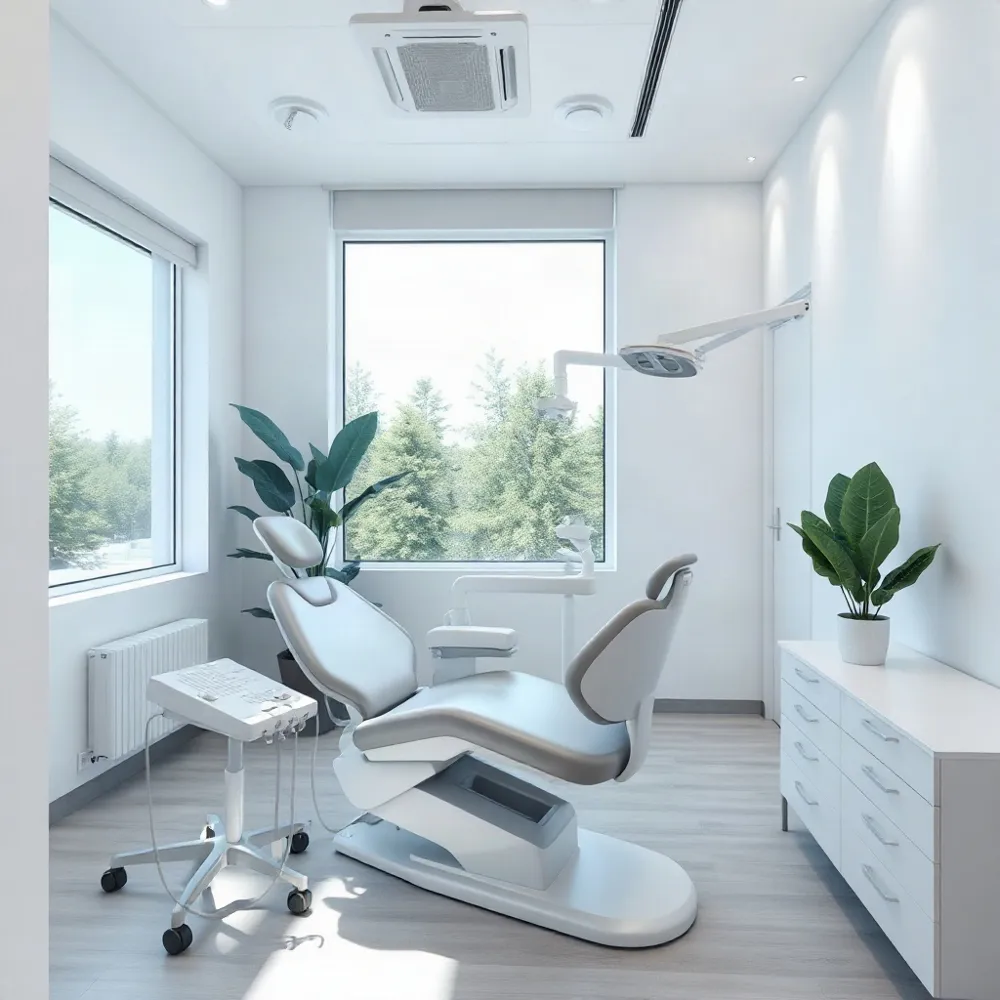 Cost, fear, and time are the usual suspects behind skipped cleanings and delayed fillings, but there is a quieter reason hiding beneath the surface: distrust. Some patients have had a bad experience elsewhere. Others simply sense that the person holding the drill cares more about filling a schedule than about them as a person. That gap between clinical skill and genuine care is precisely what makes the patient-dentist relationship so fragile, and so worth protecting.
At Tigani Family Dentistry, rebuilding that trust starts with a simple shift in how the chairside conversation happens. Instead of presenting a treatment plan and asking for a signature, the team walks through each step, explains the why behind every recommendation in plain language, and gives patients room to ask questions without embarrassment. This kind of transparency is not a marketing tactic; it is a clinical tool. Research shows that when a dentist treats a patient with genuine respect and takes the time to communicate openly, the patient is more likely to follow through with treatment and keep coming back (Evaluating Trust in the Patient-Dentist Relationship).
Many dental offices operate like a conveyor belt, prioritizing speed and procedural volume. That approach can leave a patient feeling like a number, and that feeling rarely goes unnoticed. Tigani Family Dentistry takes the opposite route, personalizing every appointment around the individual. Whether it is a first-time visitor nervous about a filling or a long-time patient exploring cosmetic options, the team anchors the visit in listening before diagnosing. That human-first orientation helps explain why trust is the single most important factor in whether a patient actually follows through with recommended care.
Beyond the Chair: Engaging With the Community
A strong community reputation doesn't happen by accident. It's built through consistent, visible efforts that go beyond the treatment room. For many families, choosing a dentist comes down to a feeling of safety and familiarity, which is why community education plays such a vital role in establishing lasting trust.
The Power of Preventive Education
When a dental practice invests in teaching patients about oral hygiene, nutrition, and the importance of regular checkups, it positions itself as a trusted health partner rather than just a service provider. According to a review of community-oriented dentistry education, such programs can significantly enhance patient engagement and health outcomes by empowering individuals with knowledge. [https://pmc.ncbi.nlm.nih.gov/articles/PMC11795215/] This educational approach helps demystify dental procedures, reducing anxiety and building confidence.
Personalized Care as a Foundation
Trust also deepens when care feels personal. Research highlights that patients value dentists who take the time to listen and explain treatment options clearly, which fosters a sense of partnership. [https://pmc.ncbi.nlm.nih.gov/articles/PMC9032626/] Practices that tailor their communication and treatment plans to individual needs, like those at Tigani Family Dentistry, often see higher patient satisfaction and loyalty.
Consistency and Transparency
Long-term trust is reinforced by consistency and transparency in every interaction—from the first phone call to the final follow-up. A practice that openly discusses procedures, costs, and preventive measures builds credibility. For example, Tigani Family Dentistry emphasizes clear communication and personalized attention, ensuring that every family member, from young children to grandparents, feels comfortable and informed.
Creating a Welcoming Environment
The physical and emotional atmosphere of a dental office can significantly impact trust. A welcoming environment, combined with a friendly team that remembers patients' names and preferences, makes a lasting impression. This focus on comfort and relationships is a cornerstone of practices like Tigani Family Dentistry, which has built a reputation for treating patients like extended family.
Steps to Strengthen Community Trust
- Host free educational workshops or Q&A sessions at your practice or local community centers.
- Offer easy-to-understand brochures and digital resources for patients to take home.
- Encourage team members to participate in local health fairs and school events.
- Share patient success stories (with permission) to highlight positive outcomes.
- Maintain an open-door policy for questions, and follow up after treatments to check on recovery and satisfaction.
Education. Providing clear, actionable information about oral health helps patients make informed decisions and feel more in control, which naturally builds trust.
Communication. Transparent, empathetic dialogue about treatments and costs reduces fear and clarifies expectations, strengthening the patient-dentist bond.
Consistency. Delivering the same high standard of care and communication every visit reassures families that they can rely on the practice long-term.
Ultimately, building trust is an ongoing process. It involves listening, educating, and showing genuine care at every opportunity. For families seeking a dental partner that prioritizes these values, Tigani Family Dentistry in Wilmington, DE, offers a personalized and community-focused approach that makes every visit feel supportive and welcoming.
Understanding the 2-Year Rule and Practice Policies
 Trust is not a luxury in dentistry; it is the foundation upon which every successful patient relationship is built. When patients feel genuinely cared for, they are more likely to attend regular checkups, follow through on treatment plans, and speak openly about their concerns. This trust develops over time through consistent communication, transparency, and a genuine interest in each person's well-being. Research in the patient-dentist relationship emphasizes that trust is built through a combination of technical competence and interpersonal connection, a dynamic that shapes both patient satisfaction and treatment outcomes. Evaluating Trust in the Patient-Dentist Relationship
For many patients, the dental chair represents vulnerability. They may arrive with past negative experiences, dental anxiety, or uncertainty about the necessity and cost of recommended procedures. A dentist who takes the time to explain each step, listens to concerns, and respects the patient's pace can transform that anxiety into confidence. This is why a patient-centered approach is not just a nice differentiator but a clinical necessity. The American Dental Association's own guidance underscores that effective communication is central to the dentist-patient relationship, and the ability to establish trust directly influences a patient's willingness to accept treatment. Trusting the Dentist—Expecting a Leap of Faith vs. a Well
What We Know About Trust in the Dental Practice
Decades of behavioral science and dental research consistently converge on a few core findings: trust is earned through reliability, honesty, and empathy. A 2022 study in <em>Community Dentistry and Oral Epidemiology</em> identified that patients' trust in their dentist is a stronger predictor of regular attendance than insurance coverage or cost. Evaluating Trust in the Patient-Dentist Relationship: A Mixed Method Study
| Trust Driver | Why It Matters | Example in Practice |
|---|---|---|
| Reliability | Patients return when care is consistent | Punctual appointments, clear follow-up |
| Communication | Explains risks and options plainly | Visuals and models during consultation |
| Empathy | Acknowledges fear and pain | Pausing to check comfort mid-procedure |
| Competence | Demonstrates skill and knowledge | Ongoing education and advanced training |
Trust: The Foundation of Every Smile
A dental practice is more than a place to get a cleaning; it's a trusted part of the neighborhood's social fabric. When a dentist genuinely invests in the well-being of the people around them, the impact extends far beyond the operatory. This deep-rooted connection is what transforms a routine appointment into a lasting relationship, and it's a philosophy that Tigani Family Dentistry practices every day.
Community involvement is about more than sponsoring a local sports team. It's about showing up consistently, listening to patient concerns, and making oral health accessible and understandable. This personal commitment helps bridge the gap between clinical expertise and patient comfort, laying the groundwork for the trust that is essential for effective care. When patients feel their dentist truly cares about their overall health, not just their teeth, they are more likely to keep those crucial appointments.