A Restful Solution for Sensitive Teeth
Tooth sensitivity affects millions of Americans, making everyday pleasures like sipping hot coffee or enjoying a cold treat a painful experience. For those who struggle with dental visits as well, the combination of discomfort and anxiety can lead to avoiding necessary care altogether.
Sedation dentistry, also known as sleep dentistry, offers a gentle path forward. By using medications that promote deep relaxation, these techniques help patients undergo dental procedures without stress or pain. At Tigani Family Dentistry, the focus is on creating a calm, welcoming experience where sensitive teeth no longer stand in the way of a healthy smile.
Understanding Tooth Sensitivity
 Sudden tooth sensitivity often catches people off guard, turning a sip of coffee or a bite of ice cream into a painful experience. Understanding why it happens is the first step toward finding relief.
Common Causes of Sudden Sensitivity
Tooth sensitivity occurs when the protective outer enamel wears down or gums recede, exposing the softer dentin underneath. Dentin contains tiny tubes that lead directly to the tooth's nerve, so hot, cold, sweet, or acidic foods can trigger sharp pain.
Common triggers include aggressive or rough brushing, teeth grinding (bruxism), new cavities, cracked teeth, gum recession from gingivitis, and recent dental procedures such as whitening treatments. The Cleveland Clinic notes that untreated sensitivity can lead to more serious issues like infection or cavities if the underlying cause isn't addressed.
Immediate Home Relief Options
- <strong>Desensitizing toothpaste</strong> — Products containing potassium nitrate or stannous fluoride can block pain signals from reaching the nerve.
- <strong>Warm saltwater rinse</strong> — Mix ½ teaspoon of salt in a cup of warm water and swish for 30 seconds to reduce inflammation and bacteria.
- <strong>Cold compress</strong> — Applying an ice pack to the cheek for several minutes can numb sharp pain.
- <strong>Avoid triggers</strong> — Steer clear of very hot, cold, sweet, or acidic foods and beverages until symptoms ease.
<strong>Clove oil</strong>, dabbed on a cotton ball and applied directly to the sensitive area, provides natural numbing relief due to its anti-inflammatory properties. These remedies offer short-term comfort but do not replace professional care when pain persists.
When Professional Care Is Needed
Sedation dentistry is specifically recommended for patients with very sensitive teeth who find even routine cleanings uncomfortable. If home remedies don't resolve the issue within a few days—or if you experience sharp pain that interferes with daily life—a dental evaluation can identify the root cause and provide longer-lasting solutions tailored to your needs.
What Is Sleep Dentistry?
 Sleep dentistry, also known as sedation dentistry, uses medication to help patients relax during dental procedures. It is particularly beneficial for individuals with sensitive teeth, dental anxiety, or a strong gag reflex. Rather than putting you fully asleep (general anesthesia), most forms of sleep dentistry keep you conscious and able to respond while reducing fear and discomfort.
According to the Cleveland Clinic, sedation dentistry is appropriate for people with very sensitive teeth, among other conditions. The three most common types are nitrous oxide (laughing gas), oral conscious sedation, and IV sedation. Each option offers different levels of relaxation: nitrous oxide wears off within minutes so you can drive yourself home; oral sedation involves a pill taken before the appointment and requires a driver; IV sedation provides the deepest relaxation and often leaves patients with no memory of the procedure.
Safety is a top priority — dentists review your medical history and medications before recommending any method. Recovery time varies: nitrous oxide effects fade in 15-30 minutes, while oral or IV sedation may require avoiding driving for 24 hours. For patients with persistent sensitivity, sleep dentistry enables comfortable treatment of underlying issues like bruxism (teeth grinding) or gum recession that cause pain.
Tigani Family Dentistry offers multiple sleep dentistry options to address sensitivity and anxiety in a calm environment. Their comprehensive approach includes custom mouthguards and oral appliance therapy as part of personalized treatment plans.
Tigani Family Dentistry: A Legacy of Comfort
Tigani Family Dentistry has served the Wilmington, DE community since 1975. The practice is now led by second-generation dentists Dr. Kristin M. Tigani-Taylor and Dr. James V. Tigani IV, who continue a legacy of personalized, family-focused care.
The practice offers an unusually broad range of services under one roof — from general and cosmetic dentistry to orthodontics, TMJ/TMD treatment, sleep dentistry with oral appliances and laser therapy, and facial aesthetics like Botox and Xerf skin tightening. An in-house lab allows for custom restorations like same-day temporary dentures, while acceptance of most PPO insurance plans helps make care accessible.
Patient feedback reflects this commitment. The practice holds a perfect 5 out of 5 rating on U.S. News & World Report and has earned the "Patients' Top Choice" award, with patients frequently noting the stress-free environment and comprehensive care.
Advanced Treatments for Lasting Relief
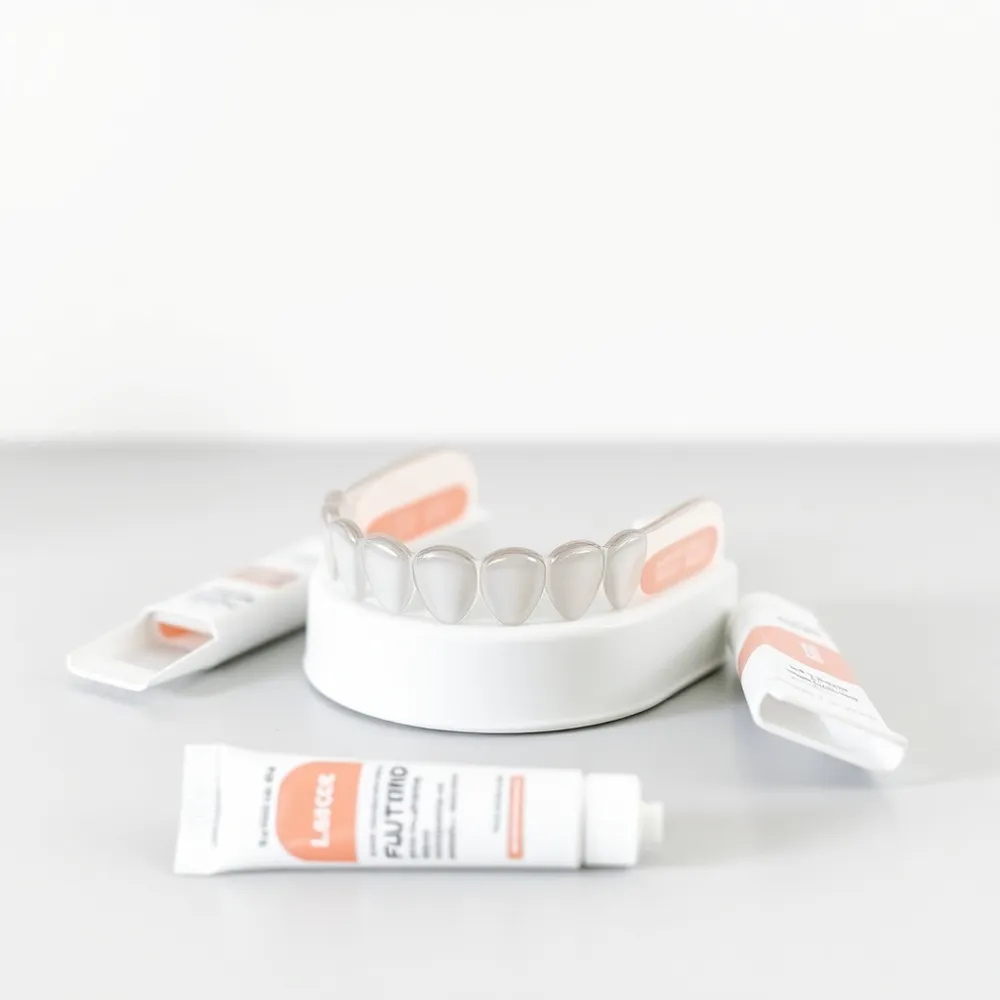 When at-home remedies aren't enough, professional in-office treatments can provide lasting relief from tooth sensitivity. Dentists apply fluoride varnish directly to the teeth to strengthen enamel and reduce pain signals. For exposed roots, dental bonding or dentin sealants cover the sensitive area, while gum grafts repair receding tissue. In severe cases, root canal therapy removes the nerve entirely, ending sensitivity in the affected tooth.
Nighttime teeth grinding (bruxism) is a common cause of enamel erosion and sensitivity. A custom night guard worn during sleep protects the teeth from grinding forces, preventing further damage. Tigani Family Dentistry creates these appliances in their in-house lab for a precise fit and faster turnaround.
For some patients, nocturnal grinding is linked to breathing issues such as sleep apnea. Addressing the root cause with sleep dentistry can reduce grinding and protect teeth. Tigani Family Dentistry offers DNA & mRNA VIVOS oral appliances, mandibular advancement devices, and DEKA laser therapy as part of their sleep solutions — all designed to improve airflow and reduce nighttime clenching.
According to the Cleveland Clinic, regular dental checkups are important for monitoring sensitivity and catching problems early. A dentist can assess whether home care adjustments are needed or if advanced treatment like bonding or a custom night guard is appropriate.
Embrace a Peaceful Night
Sleep dentistry offers a clear path for anyone whose sensitive teeth or dental anxiety has made routine care feel impossible. When fear of pain keeps you from the chair, conditions like cavities and gum disease only worsen over time.
At Tigani Family Dentistry, the team understands that your comfort comes first. With options ranging from nitrous oxide to deeper oral sedation, every appointment is tailored to help you relax fully so your dentist can work efficiently, often completing multiple procedures in a single visit.
Sedation dentistry has been shown to reduce the number of appointments needed because patients remain calm enough for extended treatment without distress. For those with extreme sensitivity or complex needs, this means faster relief and fewer return trips.
Tigani Family Dentistry combines sedation with advanced technology like air abrasion and in-house lab services to minimize discomfort at every step. Their family-focused approach means they take time to review your health history and explain each option, ensuring the method chosen is both safe and effective for you.
Tooth sensitivity doesn't have to control your life or stop you from getting the care you need. Schedule a consultation with Tigani Family Dentistry today and find out how gentle, personalized sedation options can help you enjoy dental care without fear or pain.