Introduction to Sleep Dentistry Advances
What is Sleep Apnea?
Sleep apnea is a disorder in which breathing repeatedly stops or becomes shallow during sleep. The most common form, obstructive sleep apnea, occurs when the muscles of the throat relax and the airway narrows, causing pauses that can last from a few seconds to minutes. These interruptions lower blood oxygen levels and often lead to daytime fatigue, reduced concentration, and increased cardiovascular risk. Diagnosis typically requires a sleep study, which records breathing patterns, oxygen saturation, and heart rate while the patient rests.
Why Dental Professionals Matter
Dental practitioners have a unique role because many oral appliances are designed to reposition the lower jaw, thereby opening the airway. The American Academy of Sleep Medicine recommends mandibular advancement devices for primary snoring and mild to moderate obstructive sleep apnea in adults. A dentist can evaluate oral health, take precise impressions, and adjust the device to achieve optimal positioning while monitoring for dental side effects such as bite changes or TMJ discomfort.
Tigani Family Dentistry integrates this expertise with an in‑house laboratory, allowing same‑day adjustments and faster delivery of custom appliances. In contrast, some manufacturers such as Glidewell rely on external labs, which can add days to the fabrication schedule. The in‑house workflow at Tigani Family Dentistry reduces wait times and gives patients a single point of contact for fitting, follow‑up, and insurance coordination.
Emerging Devices for Snoring Relief
Recent advances in material science and digital manufacturing have produced slimmer, more comfortable appliances. Hushd Pro Z‑Link, cleared by the FDA in 2025, uses medical‑grade polyamide nylon and a modular advancement system that lets clinicians fine‑tune mandibular positioning in millimeter increments. The low‑profile design promotes long‑term compliance and is especially popular among travelers who prefer a discreet, portable solution.
Silent Nite 3D from Glidewell offers a fully digital workflow that creates a 3‑D‑printed, custom‑fitted device with up to 10 mm of advancement. While the device is effective, it depends on an external lab and may require additional appointments for adjustments. Tigani Family Dentistry can produce a comparable digital device on‑site, shortening the overall treatment timeline.
In addition to traditional mandibular advancement devices, VIVOS offers DNA‑ and mRNA‑based appliances that gradually expand the airway over time. These appliances are prescription‑only and are fitted after a take‑home sleep study confirms the patient’s breathing pattern. Tigani Family Dentistry provides the VIVOS DNA and mRNA options, integrating the latest molecular‑engineered materials with their personalized fitting process.
Mandibular Advancement Devices. Custom‑made mouthpieces that push the lower jaw forward, widening the oropharynx and reducing airway collapse. They are the most common oral appliance for mild to moderate sleep apnea and primary snoring.
Tongue‑Stabilizing Devices. Appliances that hold the tongue forward using a small suction bulb, useful for patients who cannot tolerate mandibular devices due to dental or jaw constraints.
Hybrid Devices. New designs that combine mandibular advancement with tongue‑stabilizing features, aiming to maximize comfort while maintaining airway patency.
Molecular‑Engineered Appliances. Devices such as VIVOS DNA and mRNA that incorporate bio‑active materials to promote gradual airway expansion, offering an alternative to purely mechanical adjustments.
Choosing the right device begins with a comprehensive assessment that includes a sleep study, dental examination, and discussion of lifestyle factors. Tigani Family Dentistry offers a take‑home sleep study that patients can complete in the comfort of their own bedroom, producing data that guide the selection and customization of the appliance. The practice’s family‑focused approach emphasizes comfort, rapid turnaround, and ongoing monitoring to ensure the device remains effective over months and years.
Overall, the convergence of digital imaging, advanced polymers, and sensor‑enabled designs is reshaping how dentists address snoring and sleep apnea. By pairing cutting‑edge technology with personalized care, practices like Tigani Family Dentistry are helping patients achieve quieter nights, better sleep quality, and improved daytime health without the bulk of a CPAP machine.
Understanding Sleep Apnea and Its Treatment
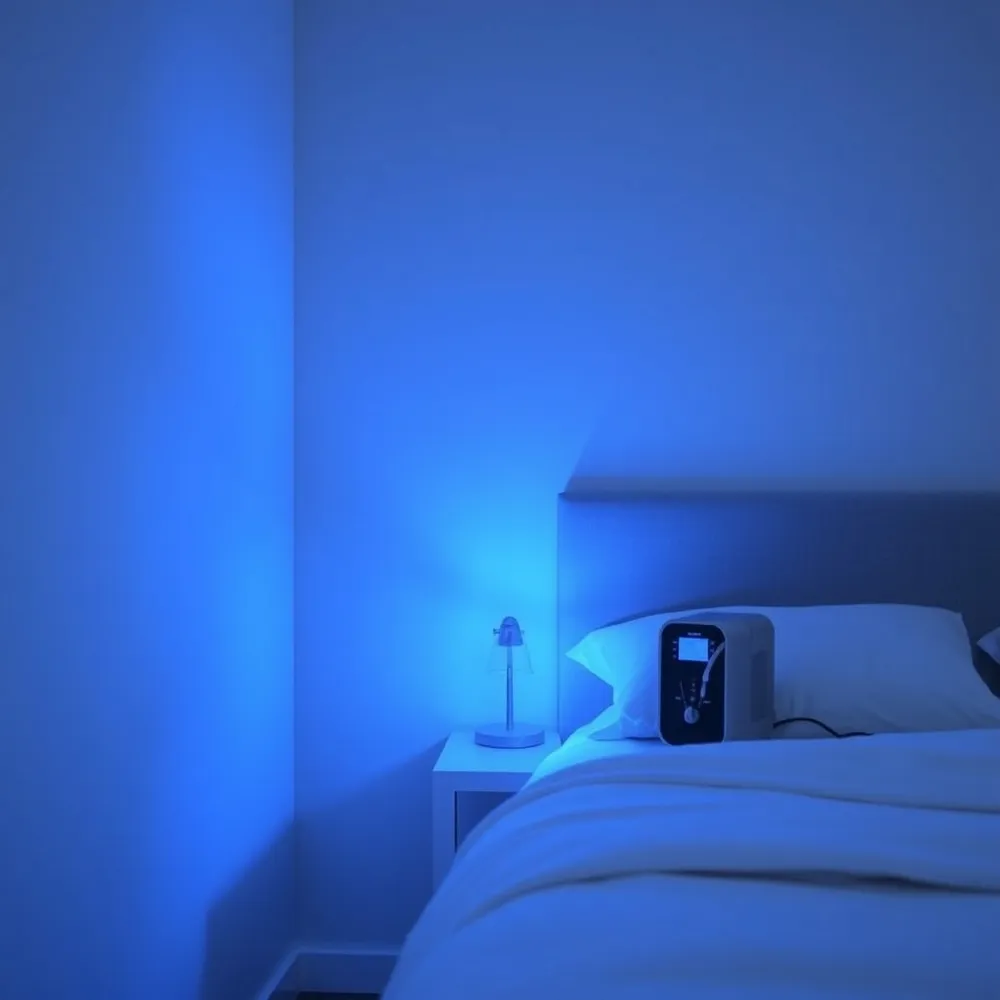 Sleep apnea is a sleep disorder in which breathing repeatedly stops and starts during sleep. The most common form, obstructive sleep apnea (OSA), occurs when throat muscles relax and block the airway. Central sleep apnea is caused by the brain failing to send proper signals to the breathing muscles.
Recognizing the Symptoms
Common warning signs include loud, persistent snoring, gasping or choking for air during sleep, waking up with a dry mouth or headache, and excessive daytime fatigue. Many people first learn about the condition from a bed partner who notices the breathing pauses.
How Sleep Apnea Is Treated
The gold-standard treatment is a continuous positive airway pressure (CPAP) machine, which delivers pressurized air through a mask to keep the airway open. For people with mild-to-moderate OSA who cannot tolerate CPAP, custom-fitted oral appliances offer a quiet, portable alternative. Lifestyle changes such as weight loss, side-sleeping, and avoiding alcohol before bed can also reduce symptoms.
Oral Appliances for Sleep Apnea: How They Work
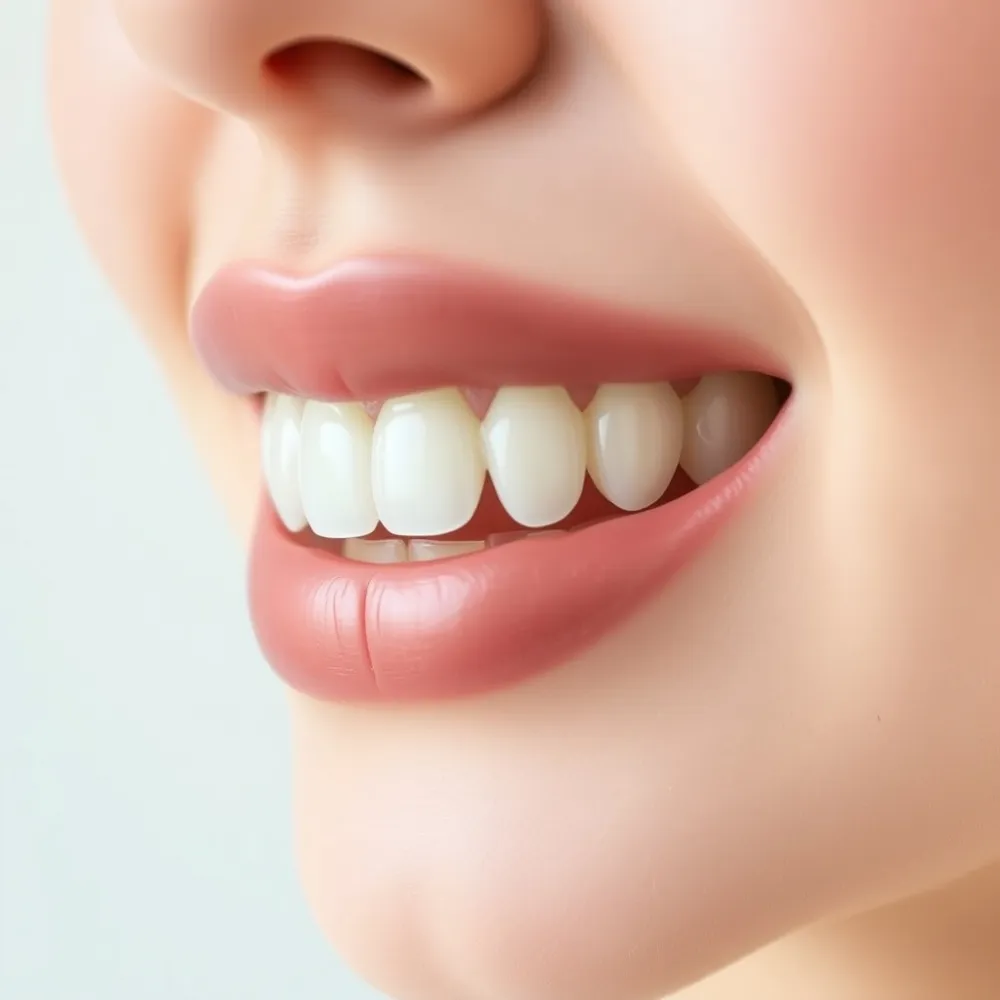 Oral appliances for sleep apnea are custom-made dental mouthpieces worn during sleep. Their primary job is to keep the airway open, making them a common treatment for obstructive sleep apnea (OSA) and snoring.
How Oral Appliances Work
Most oral appliances work by repositioning parts of the mouth to prevent airway collapse during sleep. Mandibular advancement devices (MADs) are the most common type. They fit over the teeth like a sports mouthguard and gently pull the lower jaw forward. This movement also pulls the tongue forward, creating more space at the back of the throat and improving airflow.
Tongue-stabilizing devices (TSDs) offer an alternative approach. Instead of moving the jaw, they use suction to hold the tongue in a forward position, keeping it from falling back and blocking the airway.
Effectiveness of Oral Appliances
Custom-made oral appliances, designed by a dentist based on an individual's bite and dental anatomy, offer the best results compared to over-the-counter boil-and-bite models. Research shows that custom-fitted oral appliances can be highly effective for people with mild to moderate OSA who cannot tolerate a CPAP machine.
Advances in Mandibular Advancement Devices
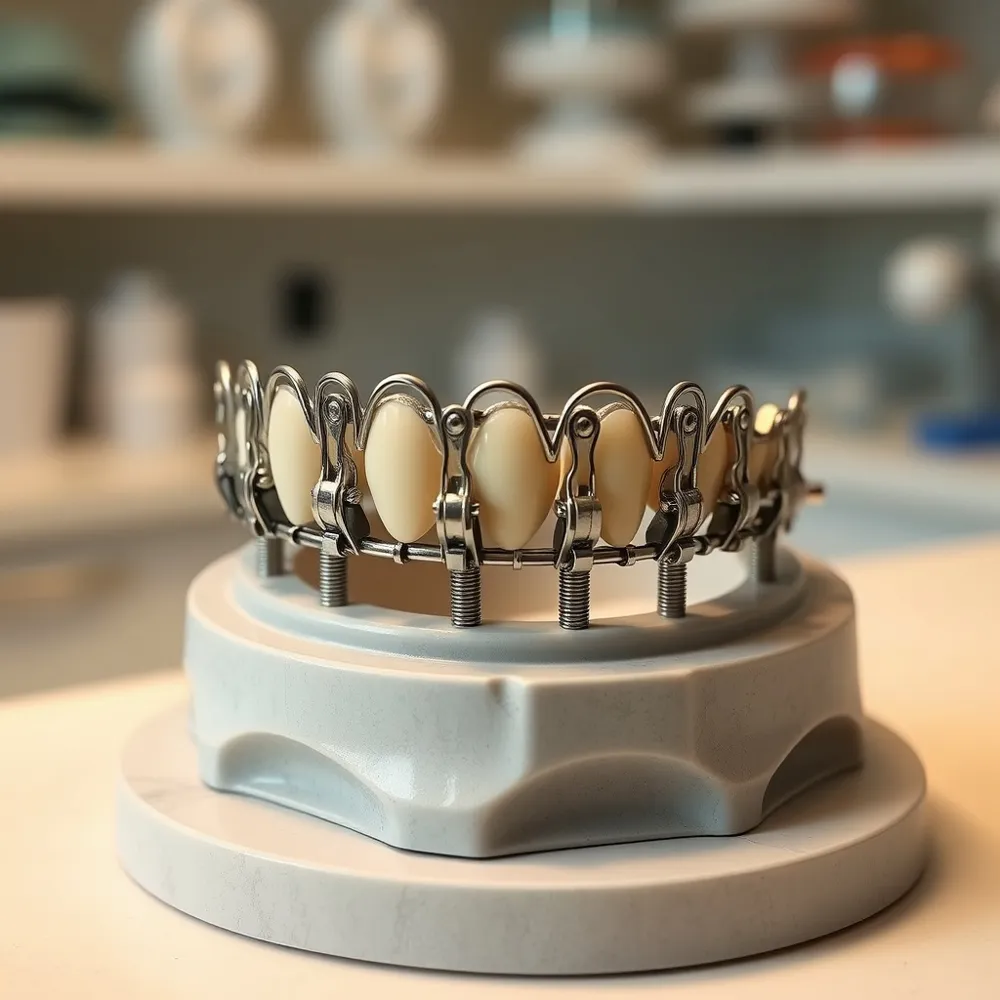 A mandibular advancement device (MAD) is a custom-fitted oral appliance that moves your lower jaw forward during sleep, keeping the airway open and reducing or eliminating snoring and breathing obstructions. It is most effective for people with mild to moderate obstructive sleep apnea (OSA) who cannot tolerate a CPAP machine.
Newer MADs incorporate digital scanning, 3D printing, and biocompatible materials, resulting in faster turnaround times and a more comfortable fit. Some models now feature modular adjustment systems that allow dentists to fine-tune jaw positioning with millimeter precision, improving both comfort and therapeutic outcomes.
Devices like the Silent Nite 3D Sleep Appliance are designed with extra tongue space and micro-adjustable hinges. Others use interchangeable connectors or telescoping arms to accommodate different patient anatomies. These advances help boost adherence by making the appliance less intrusive.
As a practice with an in-house lab, Tigani Family Dentistry can offer these custom-fitted MADs without relying on third-party fabricators. This streamlines the process from scan to delivery while maintaining a personalized approach.
Finding a Dentist for Sleep Apnea Treatment
 A sleep apnea dentist is more than a general practitioner who offers mouthguards. These dentists have advanced training in dental sleep medicine, which qualifies them to design, fit, and monitor custom oral appliances for snoring and obstructive sleep apnea (OSA). Working closely with a patient's physician or sleep specialist, they ensure the device is both safe and effective.
To find a qualified specialist near you, start by asking your primary care doctor or sleep specialist for a referral. You can also search online for dentists who are Diplomates of the American Board of Dental Sleep Medicine — this credential signals advanced expertise. Many practices that offer oral appliance therapy also collaborate directly with local sleep clinics.
During an initial consultation at a practice such as Tigani Family Dentistry, the dentist will review your medical history, symptoms like snoring or daytime fatigue, and any existing sleep study results. They will perform an exam of your teeth, jaw, and airway — often using digital scans to create a precise mold for your custom appliance.
You'll then discuss which type of device best fits your needs: typically a mandibular advancement device (MAD) or a tongue-stabilizing device (TSD). The goal is to build a personalized treatment plan that prioritizes comfort and long-term effectiveness. Regular follow-up visits allow the dentist to adjust the fit and monitor your progress.
The Future of Sleep Apnea Treatment: New Technologies and Innovations
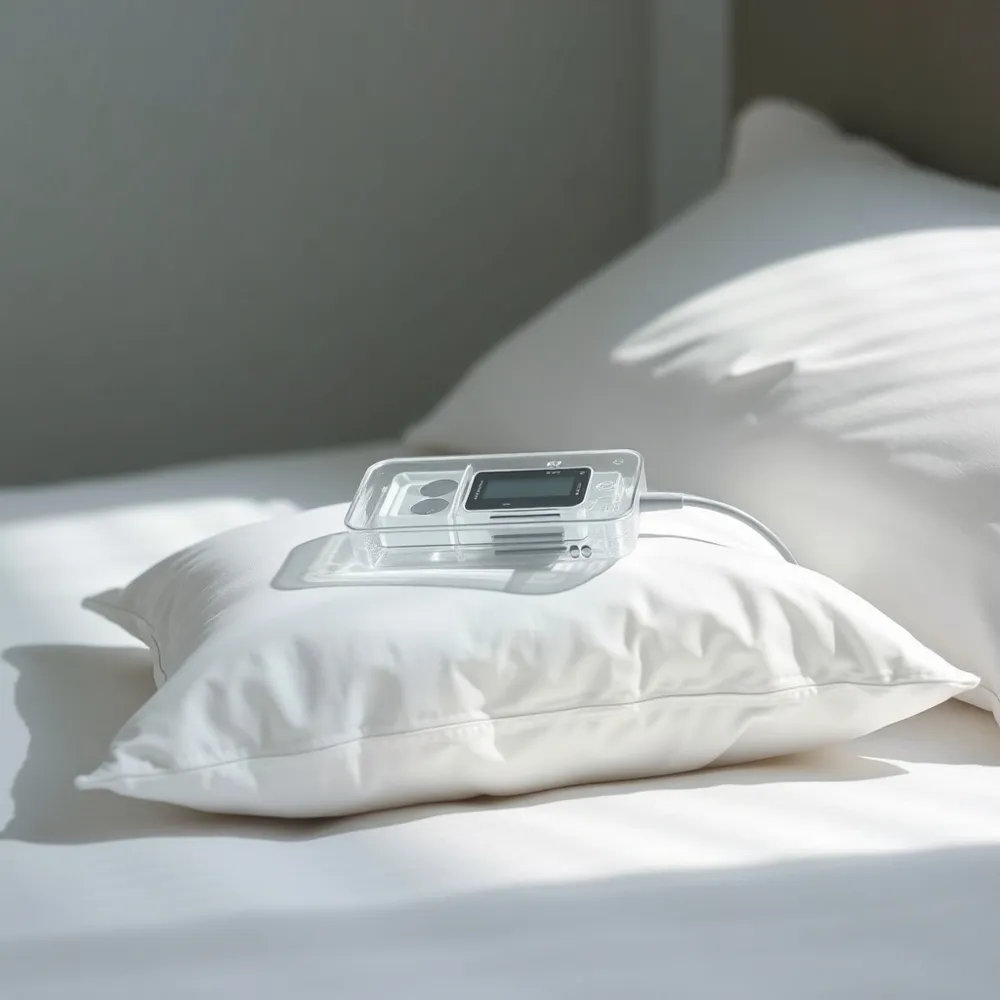 For patients who cannot tolerate CPAP, the gap in care has been significant — roughly half of CPAP users abandon the machine within the first year. New technologies aim to close that gap without bulky masks or continuous airflow.
ZeusOSA device. A non-invasive, discreet wearable worn under the chin that delivers gentle transcutaneous electrical neurostimulation (TENS) to the hypoglossal nerve during sleep. This keeps the upper airway open and has shown improved sleep quality and tolerance in clinical studies. A large multi-centre trial funded by the National Institute for Health and Care Research is now evaluating its effectiveness for NHS adoption.
Sensor-integrated MADs. Mandibular advancement devices are being fitted with embedded sensors that track adherence (hours worn per night) and therapeutic outcomes (airflow improvement). Sleep dentists can then adjust treatment based on real-world data rather than patient recall alone.
At Tigani Family Dentistry in Wilmington, DE, patients have access to FDA‑cleared oral appliances such as VIVOS DNA and mRNA devices, which gently expand the airway over time. For those seeking a simpler solution, in‑house take‑home sleep studies help determine whether a custom mandibular advancement device or a newer intervention like Deka laser therapy is best suited for their needs.
Conclusion
Sleep dentistry continues to evolve with innovations like custom CAD/CAM-fabricated MADs, laser treatments for snoring, and take-home sleep studies that make diagnosis more convenient. These advances give patients effective, non-invasive alternatives to CPAP for managing snoring and mild to moderate obstructive sleep apnea.
Professional guidance remains essential — only a qualified dentist can ensure proper fit, monitor long-term oral health, and tailor treatment to your anatomy. Tigani Family Dentistry in Wilmington, DE offers an in-house lab and personalized sleep care to help you breathe easier and rest better.