Why Your Family Needs a Dental Home
Choosing who handles your family's dental care often comes down to two options: a family dentist who serves patients of all ages, or a pediatric specialist who focuses only on children. Both play important roles, and the best choice depends on your household's specific needs. Understanding the differences in training, scope of services, and the overall experience they provide makes the decision much easier.
Approach. A family dentist builds lasting relationships with every generation under one roof, tailoring care as children grow and adults age. A pediatric specialist concentrates exclusively on children, often with a stronger focus on child psychology and behavior guidance in a setting designed purely for kids.
Services. Tigani Family Dentistry offers preventive, restorative, cosmetic, orthodontic, and sleep-related care for patients of all ages, along with an in-house lab for faster, more convenient treatment. Pediatric specialists typically provide routine checkups, fillings, and preventive treatments for children, referring adult patients elsewhere.
Convenience. A family dentist simplifies scheduling and keeps your whole family's records in one place, so you don't juggle multiple offices or repeat the same history at every visit. Specialty practices often require separate appointments for different family members and referrals for services outside the practice's scope.
Cost. Family dental practices frequently offer more flexible pricing and work directly with most PPO insurance plans to maximize your benefits. Pediatric specialists may charge higher fees due to additional training, and out-of-network costs can add up quickly if your provider visits are limited.
Experience. Parents often appreciate a practice that understands their family's full dental history, from their toddler's first checkup to their own gum health. Specialists excel at creating a welcoming, child-focused environment, but a family dentist brings a comprehensive, consistent approach to every stage of life.
Some parents lean toward a pediatric specialist because of the child-focused atmosphere, but that only works if every family member receives care there. A dedicated family dentistry practice like Tigani Family Dentistry can handle everyone's needs in one familiar setting, making it easier to maintain regular visits. The right choice ultimately depends on what your family values most: the specialized care of a pediatric office or the continuity and convenience of a single dental home.
Family Dentist or Pediatric Specialist?
Choosing between a family dentist and a pediatric specialist often comes down to the child's age, health history, and the family's schedule. A pediatric dentist completes two to three years of residency focused on child behavior, growth, and special needs, which matters for complex cases. Most children, however, are served perfectly well by a family dentist who sees patients of all ages, and the American Dental Association notes that a family practice can often provide continuous care from infancy through the teen years without a referral.
The distinction becomes concrete in the dental office. A pediatric specialist typically decorates for children and uses behavioral guidance techniques, while a family dentist like Tigani Family Dentistry sees both toddlers and grandparents in the same chair. For routine checkups, cleanings, sealants, and fluoride treatments, the clinical outcome is largely identical. The real difference shows up when a child has complex medical needs or severe anxiety that requires sedation or hospital-based care. In those situations, a pediatric specialist's extra training becomes the decisive factor.
Why a Dental Home Beats an Every-Visit Gamble
A dental home is more than a building; it's an ongoing relationship that follows your child through growth. The American Academy of Pediatric Dentistry defines a dental home as the place where oral care is comprehensive, continuously accessible, and family-centered from age one onward. Research published by the National Institutes of Health links a dental home to fewer cavities, fewer emergency visits, and lower long‑term costs because preventive care is consistent rather than reactive. The dental home concept is built on the idea that the same clinician tracks your child's development, so a small issue gets caught early instead of turning into a painful problem.
For a growing family, a dental home in a family practice often means convenience without fragmentation. Tigani Family Dentistry offers that continuity in Wilmington, DE, with an in‑house lab and a full range of services from preventive care to orthodontics. Instead of shuttling between a pediatric office, a general dentist, and a lab, one practice can coordinate your child's cleaning, a sealant, and your own crown in a single visit. That coordination reduces missed appointments and keeps dental records in one place, which is particularly valuable for children with special health care needs who see multiple providers.
Pediatric specialist. Trained for child‑specific care: two to three years of residency focused on behavior, growth, and special needs. Ideal for complex medical conditions, severe anxiety, or children requiring sedation.
Family dentist. Provides care for all ages, from toddlers to seniors, in one practice. Good for routine prevention and continuity when the whole family shares a provider and a schedule.
Choosing factor: age. Many children outgrow the need for a specialist by age 7 or 8. The dental home concept supports keeping a child with a family dentist as long as care remains appropriate.
How to Match the Choice to Your Child's Needs
Start with the first visit. A dental home should begin with the eruption of the first tooth or by age one. At that first appointment, ask about the dentist's experience with young children, whether the office accepts your insurance, and how they handle a crying or uncooperative child. The CDC's guidance on finding a dental home emphasizes that a provider who welcomes infants and toddlers and explains prevention in plain language is a strong match. A pediatric specialist may be necessary if your child has a history of early childhood caries or a chronic condition that affects oral health.
Consider the practical side, too. A family dentist often offers more flexible scheduling because they see all ages, which can shorten wait times for a child's school‑day appointment. Tigani Family Dentistry, for example, accepts most PPO insurances and keeps an in‑house lab, which means fewer referrals and fewer separate billing phone calls. If your child has straightforward needs and you want one practice for the whole family, a family dentist usually meets that need without the higher cost of a specialist. If your child requires hospital‑based anesthesia or has complex medical issues, a pediatric specialist is the safer referral.
| Factor | Pediatric specialist | Family dentist |
|---|---|---|
| Training focus | Child behavior, growth, special needs | All‑age care, preventive & restorative |
| Best for | Complex medical or behavioral cases | Routine family care & continuity |
| First visit | Often recommended by age 1 | Available for all ages; same‑day |
| Cost | Typically higher specialist fees | Generally lower; many PPO plans |
In the end, the choice is less about which title your dentist holds and more about whether your child feels safe and cared for. A dental home that sees your child consistently, catches issues early, and communicates clearly with you is the foundation of a lifetime of oral health. For many families, that home is a family practice like Tigani Family Dentistry, where the same team supports your child from the first tooth to the teenage years.
Services That Matter for Every Age
 Choosing the right dentist for your family comes down to more than just proximity. A few concrete factors separate a practice that simply fills a cavity from one that truly works as a dental home for every member of your household. Evaluating these details before your first visit can save you time, money, and a lot of anxiety later.
Credentials, Training, and Continuing Education
Dentists aren't all trained the same way. While every licensed dentist completes dental school, the differences show up in post-graduate training and ongoing education. Some pursue additional residencies in hospital settings, while others take courses in orthodontics, sleep medicine, or cosmetic procedures. When you're comparing options, ask what specific advanced training the dentist has completed in the past few years. A practice that invests in learning new techniques is often better equipped to offer comfortable, modern care.
For example, Tigani Family Dentistry in Wilmington, DE, combines general, cosmetic, restorative, orthodontic, and sleep services under one roof. That breadth means you don't have to be referred to a different office for a night guard, clear aligners, or a tooth-colored filling. Instead of juggling multiple care teams, you can get a continuous treatment plan that follows you from a routine cleaning to a complex restoration.
The Range of Services Under One Roof
A family dentist who only offers basic exams and fillings will send you to specialists for everything else — often at a higher price and with longer wait times. The more comprehensive a practice's service list, the fewer referrals you'll need to schedule, track, and coordinate. Look for a dentist who can handle preventive care, restorative work, cosmetic treatments, and even orthodontics in a single visit.
This is where a practice like Tigani Family Dentistry stands out: it operates an in‑house lab, which means many same‑day procedures don't require a second appointment. The integration of a dental lab on site isn't just a convenience — it reduces turnaround time for crowns and veneers and lets the dentist make immediate adjustments for a better fit. Fewer offices, fewer referrals, and a single care pathway for your whole family.
Practical Visit Logistics: Wait Times, Insurance, and After‑Hours
Before you commit, check three practical things: average wait times, insurance compatibility, and office hours. A practice that runs on schedule respects your time, but more importantly, it signals how well the front desk handles billing and scheduling. Similarly, confirm the office takes your PPO insurance before your first appointment — a surprise bill can undo the goodwill of a great first visit.
Here, Tigani Family Dentistry makes the process easier by accepting most PPO insurance plans and keeping the financial conversation transparent. Instead of learning about hidden fees later, you get a clear estimate upfront. And because the practice is family‑oriented, you can often schedule multiple family members' appointments back‑to‑back, cutting down on the number of trips you make to the office.
Comfort, Communication, and the 'Dental Home' Concept
The American Dental Association emphasizes that your choice should feel right for your whole family — not just for your teeth. A dentist who explains each step with patience, offers sedation options when needed, and treats children with a gentle touch is worth more than any impressive lobby. The concept of a dental home is built on this idea: a place where every member of the family has a trusted clinician who knows their history.
At Tigani Family Dentistry, the patient experience is designed around this same philosophy. From the first phone call, you're treated like a neighbor, not a claim number. The practice's emphasis on personalized, comfortable care means you'll rarely wait in a sterile waiting room wondering what's next. Instead, you'll find a team that remembers your child's name, your previous concerns, and your long‑term goals.
Scope. A family dentist serves patients of all ages, from toddlers to seniors, and handles primary care. A pediatric dentist focuses exclusively on children's dental health from infancy through adolescence.
Integration. A family dentist coordinates all your family's treatments, from cleanings to orthodontics, in one place. A pediatric dentist often refers you to a general dentist for adult‑oriented procedures once your child ages out.
Intelligence. Family dentistry emphasizes convenience and continuity. Pediatric dentistry offers specialized child‑focused care but may require two practices — one for kids and one for adults — splitting your family's records.
When you weigh these factors side‑by‑side, Tigani Family Dentistry checks the boxes that matter most for a busy household: a full service menu, an on‑site lab for faster care, PPO insurance compatibility, and a team that treats every age group with equal warmth. If that sounds like the right fit, a visit will confirm it in person.
The Gentle Approach That Puts Patients First
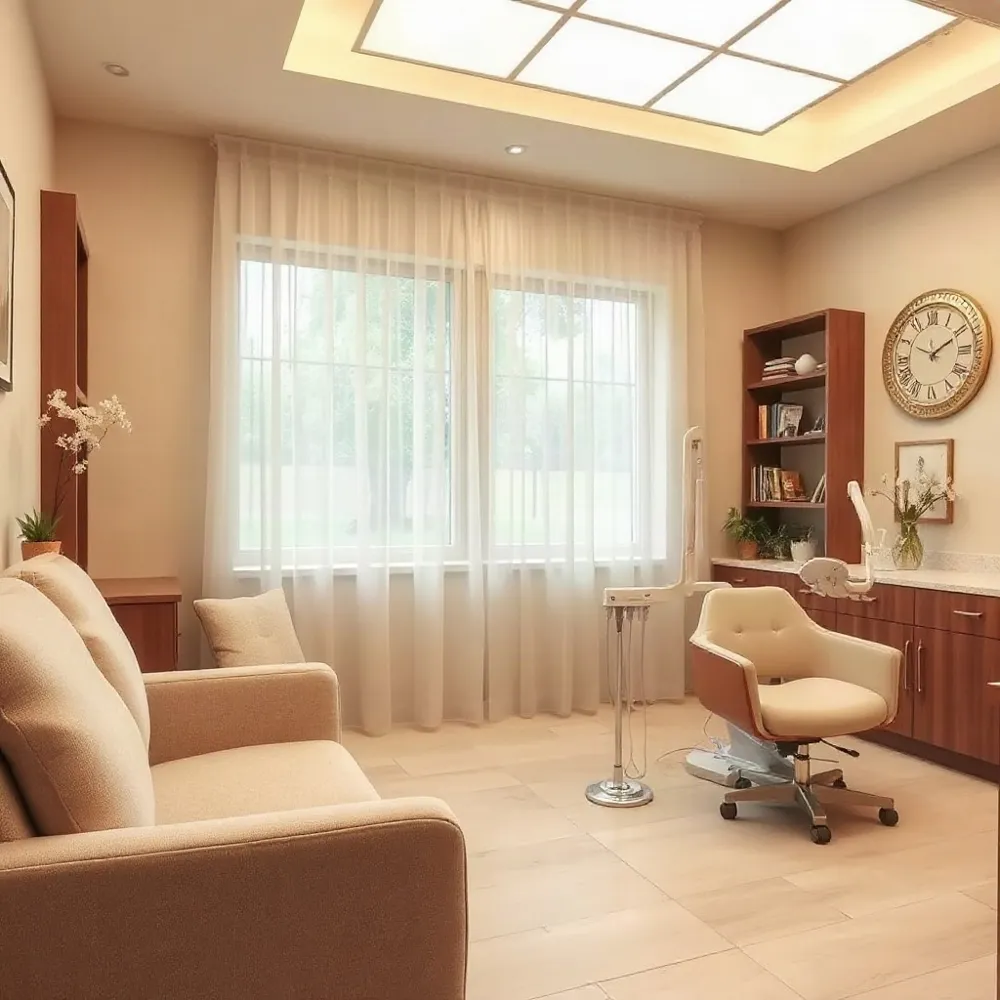 Choosing the right dental provider for your household shapes how comfortable everyone feels in the chair. Parents and children have different needs, so the ideal practice blends genuine clinical skill with a welcoming environment. The American Dental Association suggests starting with practical factors like accessibility and the provider's demeanor, while organizations such as MouthHealthy emphasize the importance of a dental home where patients feel at ease. For families, this means finding a team that can grow with your children and handle routine care along with unexpected emergencies.
Credentials and Continuing Education
A dentist's training directly affects the quality of care you receive. Look for someone who graduated from an accredited program and participates in continuing education to stay current with modern techniques and materials. The American Academy of Pediatric Dentistry describes the dental home as a model where care is comprehensive and focused on prevention, which requires ongoing learning about everything from new composite materials to gentle anesthesia methods.
Office Environment and Technology
Pay attention to how the practice feels from the moment you walk in. Is the waiting area clean and inviting? Does the staff explain procedures in plain language? Modern tools like digital X-rays, intraoral cameras, and same-day restorations reduce discomfort and improve outcomes. A practice that invests in these technologies signals a commitment to patient comfort and precision. When you visit Tigani Family Dentistry, you'll find an in-house lab that speeds up crowns and other restorations, often eliminating the need for multiple appointments and temporary fittings.
Range of Services for Every Age
A family practice should offer more than just cleanings and fillings. Look for a provider who can manage children's first visits, teenage orthodontic needs, adult restorative work, and even sleep or aesthetic services. This breadth means every household member can stay with one trusted team. Choosing the right dentist involves confirming that the practice can handle your family's evolving needs, from a toddler's first checkup to a grandparent's denture care.
Convenience and Communication
Practical logistics matter as much as clinical expertise. Consider office hours, location, and how the practice handles insurance and payment. A family-oriented office like Tigani Family Dentistry accepts most PPO plans and offers transparent billing, so you're not surprised by unexpected costs. Good communication also means the dentist explains options clearly and answers questions without rushing. This personal attention is what separates a dental home from a purely transactional appointment.
| Factor | What to Check | Why It Matters |
|---|---|---|
| Credentials | Accredited education, CPD | ensures current, safe care |
| Technologies | Digital X-rays, in-house lab | more comfort, faster treatment |
| Service range | Pediatric to restorative | one team for all ages |
| Communication | Clear explanations, billing | trust and fewer surprises |
Preventive Care as a Priority
Finding the right dentist for your family involves more than a quick online search. The decision shapes your family's oral health for years, so it helps to weigh several practical factors before booking that first appointment.
Credentials and Experience
Start by verifying the dentist's education, licensing, and any additional training. Dentists who pursue continuing education in areas like pediatric care or orthodontics can better serve different age groups. For example, a dentist with advanced training in pediatric dentistry understands how to make children feel at ease, which can set the stage for positive dental visits later in life.
Ask about the dentist's experience with patients of all ages, from toddlers to grandparents. A practice like Tigani Family Dentistry, which serves the whole family, typically has the range of services and patient-handling skills needed to meet everyone's needs under one roof.
Range of Services
Consider whether the practice offers the services your family needs now and in the future. Preventive care like cleanings and exams is essential, but so are restorative options like fillings or crowns, cosmetic treatments, and specialized care like orthodontics, sleep dentistry, or aesthetic procedures.
A dental home concept, as recommended by the American Academy of Pediatric Dentistry, provides comprehensive care that follows your family through childhood and into adulthood. Tigani Family Dentistry embodies this by offering preventive, cosmetic, restorative, orthodontic, sleep, and aesthetic services in one convenient location.
Preventive care. Cleanings, exams, fluoride treatments, and sealants that stop problems before they start.
Restorative care. Fillings, crowns, bridges, and dentures that repair damage and restore function.
Orthodontics. Braces and clear aligners that correct alignment and bite issues for both children and adults.
Cosmetic and aesthetic. Teeth whitening, veneers, and aesthetic treatments like Botox or skin tightening for a refreshed appearance.
Accreditation and Insurance
An important consideration is whether the practice accepts your dental insurance plan. Many families choose a dentist who participates in their PPO network to keep out-of-pocket costs lower. Tigani Family Dentistry accepts most PPO insurances, which simplifies financial planning for routine and unexpected visits.
Also, look for the dental home concept in action: a practice that coordinates care across different specialties and ensures continuity of care through the years. This reduces the risk of fragmented treatment and helps build a trusting, lasting relationship with your family's dentist.
Location, Hours, and Emergency Care
Proximity matters, especially for families with busy schedules. A conveniently located practice, like Tigani Family Dentistry in Wilmington, makes it easier to attend regular appointments and handle unexpected dental issues without crossing town.
Ask about office hours, weekend availability, and how the practice handles dental emergencies. Some offices offer extended hours or same-day emergency slots, which can be a lifesaver when a child chips a tooth or an adult develops a sudden toothache. The ability to provide prompt care reduces anxiety and prevents minor problems from escalating.
Technology and Patient Comfort
Modern dental technology can improve diagnosis and treatment outcomes. Ask whether the practice uses digital X-rays, intraoral cameras, or same-day crown milling. An in-house lab, for instance, allows for faster turnaround on crowns and other restorations, saving you multiple visits.
Patient comfort is equally important. Look for a practice that prioritizes gentle care, offers sedation options, and creates a welcoming environment, especially for children. A family-friendly office that explains procedures and listens to your concerns can make all the difference in reducing dental anxiety.
Putting It All Together
Choosing the right dentist for your family is a personal decision. By considering credentials, services, insurance, location, technology, and comfort, you can find a dental home that supports your family's oral health at every stage.
| Factor | What to Look For | Why It Matters |
|---|---|---|
| Credentials | Licensing, education, experience with all ages | Ensures competent, safe care |
| Services | Preventive, restorative, cosmetic, orthodontics | Meets current and future needs |
| Insurance | Accepts your PPO plan | Controls out-of-pocket costs |
| Location & hours | Convenient, flexible scheduling | Encourages regular visits |
| Technology | Digital X-rays, in-house lab | Faster, more accurate treatment |
| Comfort | Gentle care, communication, amenities | Reduces anxiety and builds trust |
Take the time to visit the office, ask questions, and see if it feels right for your family. A thoughtful choice today lays the foundation for a lifetime of healthy smiles.
Insurance Plans and Affordable Options
Choosing the right family dentist shapes your household's oral health for years. The ideal practice offers preventive care, a welcoming environment, and the flexibility to treat everyone from toddlers to grandparents under one roof.
Check Credentials and Continuing Education
Verify that the dentist holds an active license and keeps up with training in current techniques like digital X-rays, same-day restorations, and minimally invasive procedures. Look for evidence of continuing education in family-focused areas such as pediatric behavior management or sedation options.
Evaluate the Office Environment and Technology
Visit the practice and observe how the team interacts with patients of all ages. Ask about digital imaging, intraoral cameras, and infection control protocols. A calm, transparent atmosphere signals a practice that prioritizes comfort and safety.
Assess Insurance Compatibility and Payment Flexibility
Confirm that the office accepts your dental insurance plan and understand how it handles PPOs, HSAs, and FSAs. Ask about transparent pricing, membership options, or payment plans to avoid surprises.
Look for a Dental Home for the Whole Family
A true family practice offers preventive care, restorative treatments, and orthodontic guidance in one location. Tigani Family Dentistry in Wilmington, DE, provides this with an in-house lab, most PPO insurance acceptance, and flexible scheduling for the entire family.
Schedule a First Visit and Trust Your Instincts
Book an initial consultation to meet the team, check the office vibe, and see if the dentist explains procedures in plain terms. Tigani Family Dentistry welcomes your family for a first visit designed to answer questions and build confidence.
Compare Your Options
Many dental offices post generic bios (e.g., "Dr. Smith has 10 years of experience"), but Tigani Family Dentistry stands out with an in-house lab for faster restorations. Competitors often outsource lab work; Tigani Family Dentistry speeds up delivery and improves fit.
What Sets a Family Dentist Apart on Paper
| Factor | What to Check | Why It Matters |
|---|---|---|
| Credentials | License, CPD courses | Ensures competence |
| Technology | Digital X-rays, 3D imaging | Better diagnostics, comfort |
| Insurance | PPO, HSA, FSA accepted | Manages costs |
| Environment | Kid-friendly, wheelchair access | Comfort for all ages |
| Services | Preventive, restorative, ortho | One-stop care |
| Lab on-site | In-house vs outsourced | Faster, precise restorations |
Location, Hours, and Convenience
Choosing between a family dentist and a pediatric specialist often comes down to your child's age, comfort level, and the scope of care you want under one roof. While pediatric dentists complete two to three years of additional training focused specifically on children, a family dentist like Tigani Family Dentistry provides comprehensive care for every age group in a single, familiar environment.
For many families, the convenience of having everyone from toddlers to grandparents see the same practitioner outweighs the specialized credentials of a pediatric-only practice. According to the American Academy of Pediatric Dentistry, establishing a "dental home" by age one is ideal, but that experience should be welcoming and stress-free. Experts note that a consistent dental home fosters trust and reduces anxiety, which is why family practices often shine.
Why a Family Dentist Works for Most Households
Family dentists are trained to treat patients of all ages, which means your child can transition seamlessly from their first checkup to their teenage sports mouthguard to adult cleanings without changing offices. Tigani Family Dentistry reinforces this continuity by keeping all your family's records in one place, making it easier to track hereditary conditions like gum disease that might affect multiple generations.
Scope. A family dentist handles routine cleanings, fillings, crowns, and preventive care for every age. A pediatric specialist focuses exclusively on children, often managing more complex behavioral or developmental cases that typical family practices refer out.
Integration. With a family practice, parents and children coordinate appointments on the same day, reducing missed work and school time. Pediatric-only offices, by contrast, may require separate visits for you and your child, adding logistical friction.
Intelligence. Family dentists bring a broader diagnostic perspective gained from treating adults, which can help identify early childhood habits like thumb-sucking that might affect future bite alignment. Specialists bring deeper pediatric focus but less cross-generational insight.
That said, some situations genuinely call for a specialist. If your child has severe early childhood caries, needs complex sedation, or has special health care needs, a pediatric dentist's advanced training can be invaluable. Guidance from the American Dental Association suggests weighing the office's ability to handle your specific case. Tigani Family Dentistry, though, is equipped to manage most routine and moderate cases in-house, and can refer you to a trusted specialist when needed.
| Factor | Family Dentist | Pediatric Specialist |
|---|---|---|
| Age range | All ages in one practice | Children only |
| Training focus | General dentistry for everyone | 2+ years pediatric residency |
| Appointment logistics | Whole family same day | Separate visits for parents |
| Complex cases | Routine to moderate, referrals out | Advanced behavior/sedation cases |
| Continuity | Track family dental history | Limited to childhood years |
Making the Final Choice Together
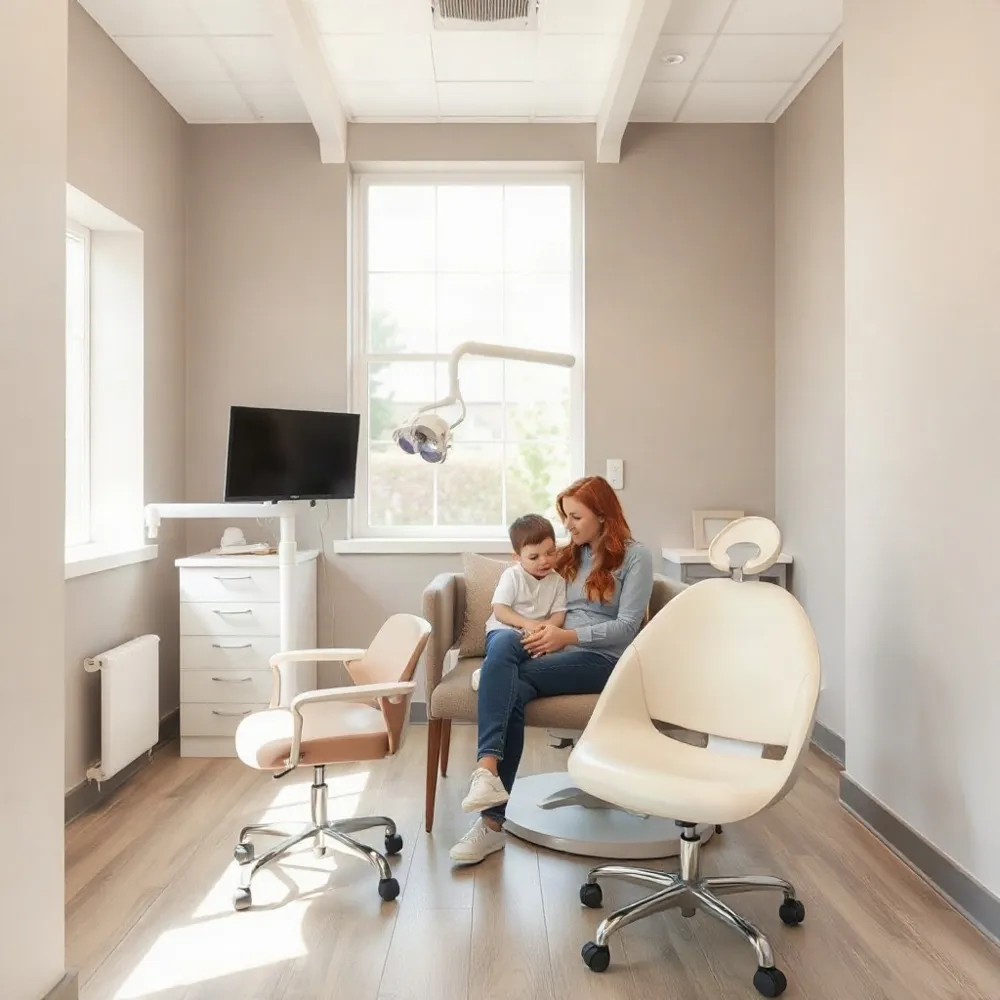 When choosing a dentist for your children, the decision usually comes down to a family practice or a pediatric specialist. Both can provide excellent care, but they differ in training, scope of services, and how they handle young patients. Understanding these differences helps you match the right provider to your child's needs and your family's schedule.
Training. Pediatric dentists complete two extra years of residency focused entirely on child development, behavior guidance, and treating patients with special needs. Family dentists train across all age groups, from toddlers to seniors, which means your child can see the same practice as they grow.
Scope. Pediatric offices treat only children, so their equipment and décor are tailored to that age group. A family practice like Tigani Family Dentistry serves every member of your household under one roof, which simplifies scheduling and builds long-term familiarity with your family's dental history.
Behavior. Pediatric specialists are often better equipped for highly anxious children or those with complex medical conditions. However, many family dentists are equally comfortable with kids, and choosing one lets your child stay with the same provider who sees you, reducing the stress of switching practices.
Building a Dental Home
The American Dental Association encourages families to establish a "dental home" by age one, and the concept applies to both family and pediatric settings. A dental home is a continuing relationship where care is comprehensive, accessible, and coordinated. According to the National Institutes of Health, a dental home supports prevention and early intervention, which leads to better outcomes than episodic visits. Tigani Family Dentistry operates as a true dental home for families, offering preventive, restorative, and orthodontic care in one Wilmington location, so your kids build trust with the same team at every appointment.
Which Is Right for Your Family?
Start by considering your child's temperament and any special needs. If your child is cooperative and has no major health issues, a family dentist can often handle everything from routine cleanings to fillings, saving you the hassle of referrals. If your child has severe anxiety or a complex medical history, a pediatric specialist may be safer.
Also think about practicality. A family practice like Tigani Family Dentistry handles everyone from toddlers to grandparents, which means one appointment block for the whole household and a team that already knows your family's history. For families with tight schedules, that convenience often outweighs the specialized training of a pediatric-only office.
| Factor | Family Dentist | Pediatric Specialist |
|---|---|---|
| Training | All ages, broad | Child-focused, 2+ yrs |
| Services | Prevention to ortho | Limited to children |
| Scheduling | One provider for all | Separate visits for kids |
| Anxiety care | Comfort techniques | Specialized behavior mgmt |
| Cost | Usually lower | Often higher fees |
Ultimately, the right choice depends on your child's needs and your family's routine. Visit both types of practices before deciding, and don't hesitate to ask how they handle first visits, emergencies, and nervous children. For many families, the continuity of a dental home matters more than the title, and Tigani Family Dentistry makes that continuity easy to maintain.
A Lasting Relationship for Your Family's Smiles
When you think about long-term dental care, a dental home is the concept that ties everything together. The American Dental Association and the American Academy of Pediatric Dentistry both encourage every child to have a dental home by age one, a place where preventive care, routine checkups, and education happen consistently.
A dental home is more than a clinic you visit when something hurts. It is a continuous, accessible, and comprehensive source of oral care that starts early. The idea is backed by research published in the Journal of the American Dental Association, which describes the dental home as a model that supports disease prevention, health promotion, and a long-term relationship with a family. For anyone weighing family dentist vs pediatric dentist, this foundation matters: the choice affects how well that relationship forms and how comfortable your child feels at every visit.
What Does a Dental Home Actually Include?
Preventive focus. The dental home model prioritizes routine exams, cleanings, fluoride applications, and parent education on diet, hygiene, and habits like thumb sucking. These services aim to prevent disease rather than just treat it, which fits perfectly with a first dentist in San Antonio focused on family care.
Continuity. A dental home gives you a single, consistent record and a familiar provider. Your dentist knows your child's history, risk factors, and preferences. This continuity reduces anxiety and builds trust, which is why the AAPD's dental home concept is sometimes called the 'recall problem solver' for families.
Care coordination. If your child needs orthodontics, has special health needs, or requires referral to a specialist, the dental home coordinates that care. It ensures nothing falls through the cracks, which is a real advantage when you're comparing a family dentist vs pediatric dentist for a growing child.
For a family in San Antonio, the practical benefit of a dental home shows up in the details. You have one number to call, one office to remember, and a team that knows your whole household. [Tigani Family Dentistry] builds this model by pairing a pediatric dentist in San Antonio with a comprehensive family practice, so your child's preventive journey stays in one familiar place.
Thinking about how to choose a dentist for your family, the dental home concept is a strong filter: the right practice makes you feel like part of a patient family, not a number. As [asap-dental-home-source notes], the model is designed to be your child's first and ongoing dental experience, which makes the family dentist vs pediatric dentist decision less about one visit and more about lifelong outcomes.
| Feature | Traditional practice | Dental home model |
|---|---|---|
| Care focus | Reactive problem solving | Preventive, continuous |
| Record continuity | Fragmented across visits | Single, coordinated history |
| Family experience | Separate providers per member | One team for all ages |
| Child comfort | Varies by dentist | Built-in early familiarity |